Travel guide
Places to visit in the Balkans: country by country, what you actually need to see
Europe's cheapest and least crowded corner. Five countries linked by road, and they fit into a single two-week route.
FlyVentis editör ekibi tarafından hazırlanmış, seyahat ve etkinlik bilgileri düzenli olarak gözden geçirilen rehber.
The Balkans have two clear advantages over the rest of Europe: prices are markedly lower, and the tourist crowds are much thinner. A night's hotel budget in Western Europe can cover two or three nights here, and the same money buys a much better meal.
The second advantage is geography. The countries sit close together and are linked by road. The rail network isn't as developed as Western Europe's, but buses are frequent and hire-car crossings are straightforward. That makes it realistic to fit five countries into a single two-week route. The list below covers what to see in each country, and how much time each stop actually needs.
Montenegro
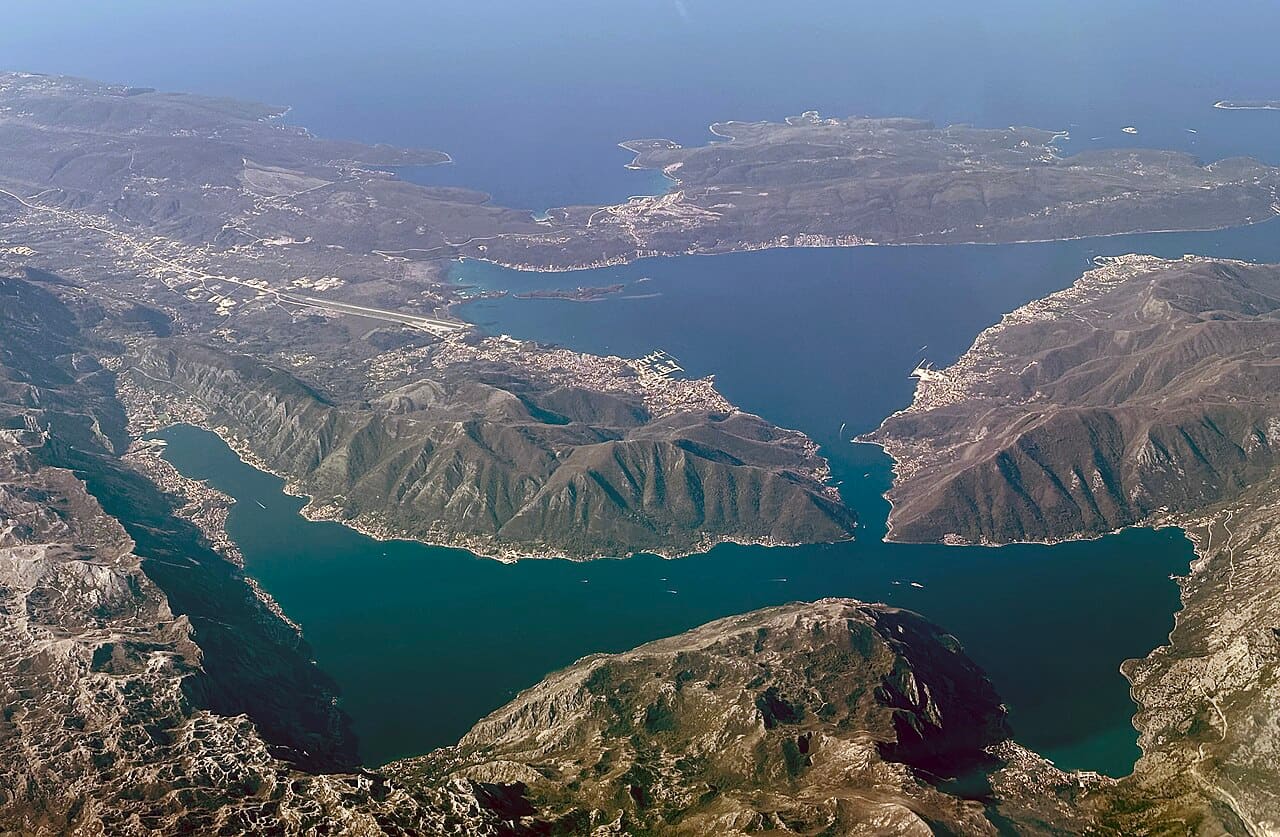
- Kotor Bay and Old Town: climb the walls first thing — afternoons get very hot.
- Budva Old Town: beach and nightlife together, and packed in summer.
- Sveti Stefan: the islet is a private hotel, photographed from outside; the beach section is paid.
- Lovćen National Park: the road up to the Njegoš Mausoleum is narrow and winding — drive carefully.
- Durmitor National Park: Montenegro's northern mountains; at least one night.
- Tara Canyon: Europe's deepest canyon, a rafting and zipline stop.
- Skadar Lake: a half-day for a boat trip and birdwatching.
- Perast & Our Lady of the Rocks: by boat from Kotor, a two-hour stop.
- Cetinje: the old royal capital; half a day for the museums.
- Porto Montenegro: the marina quarter — treat it as a short pause.
Bosnia and Herzegovina
- Baščaršija: Sarajevo's Ottoman-era bazaar, the heart of the city.
- Mostar Bridge: go early or in the late afternoon — midday fills with tour buses.
- Gazi Husrev-beg Mosque: inside Baščaršija; check visiting hours.
- Sarajevo War Tunnel: go on a guided tour — the stop that tells the city's recent history.
- Blagaj Tekke: a dervish lodge at the foot of a cliff, half an hour from Mostar.
- Počitelj: a stone town, a short stop on the Mostar–Sarajevo road.
- Kravica Waterfall: you can swim in summer; a day trip from Mostar.
- Vrelo Bosne: a spring and park near Sarajevo.
- Jahorina Ski Resort: for the winter season, 30 kilometres from Sarajevo.
- Travnik Castle: an Ottoman-era vizier town, a stop on the way.
Serbia
- Kalemegdan and Belgrade Fortress: where the two rivers meet, the best place for sunset.
- Knez Mihailova Street: the pedestrian street, the city's central spine.
- Saint Sava Cathedral: one of the largest Orthodox churches in the Balkans.
- Skadarlija: a bohemian street, for dinner and live music.
- Zemun and Gardoš Tower: a neighbourhood of a different character on the Danube.
- Ada Ciganlija: a city beach on the river, very lively in summer.
- Petrovaradin Fortress: in Novi Sad, the site of the EXIT festival.
- Niš Fortress: in the south, a sensible stop if you're continuing towards Sofia.
- Oplenac and Karađorđević Mausoleum: a memorial church known for its mosaics.
- Đerdap (Iron Gate) National Park: Danube gorge views, a full day.
Albania
- Skanderbeg Square: the centre of Tirana; half a day with the surrounding museums.
- Berat Castle: the city of a thousand windows — people still live inside the castle.
- Gjirokastër Castle: a stone city, UNESCO-listed.
- Ksamil Beaches: the clearest coves on the Ionian; packed in July and August.
- Butrint: near Ksamil, half a day.
- Blue Eye (Syri i Kaltër): a natural spring — go in the morning.
- Llogara Pass: the most scenic stretch of the coastal road; you need a hire car.
- Theth National Park: the northern mountains, the starting point for the Valbona hike.
- Durrës Beach and Amphitheatre: the closest beach to Tirana; the ancient theatre is in the city.
- Rozafa Castle: in Shkodër, near the Montenegrin border.
North Macedonia
- Ohrid Lake: one of Europe's oldest lakes — give it at least two nights.
- Ohrid Old Town and Sveti Naum: the monastery on the lakeshore can also be reached by boat.
- Samoil Castle: the fortress looking down on Ohrid, a sunset spot.
- Matka Canyon: half an hour from Skopje, for kayaking and a cave tour.
- Stone Bridge and Skopje Centre: links the old bazaar to the modern centre.
- Painted Mosque (Alaca Mosque): in Tetovo, known for its interior decoration.
- Heraclea Lyncestis: an ancient city and mosaics in Bitola.
- Pelister National Park: mountain walking near Bitola.
- Mavrovo National Park: winter sports and lake views.
- Struga & Vevčani: the northern end of Lake Ohrid, and village culture.
A two-week Balkans route
| Day | Stop | Note |
|---|---|---|
| 1-3 | Belgrade | Fly in; city plus a day trip to Novi Sad |
| 4-6 | Sarajevo and Mostar | Bus or hire car |
| 7-9 | Kotor and Budva | Montenegrin coast, day trip to Perast |
| 10-12 | Tirana, Berat and Ksamil | Albanian coastal strip |
| 13-14 | Ohrid | Fly out of Ohrid or Skopje |
Five rules for planning the Balkans
- Road distances take longer than they look on the map; mountain roads bring the average speed down.
- There can be queues at borders — plan crossing days for the morning.
- The currencies are different: Serbia uses the dinar, Bosnia and Herzegovina the mark, Montenegro and North Macedonia use different systems again. Carry cash.
- July and August are packed on the coast; June and September are much more comfortable.
- Book an open-jaw ticket: flying into Belgrade and out of Tirana, Ohrid or Podgorica shortens the route.
Build your route
Frequently asked questions
How many countries can you visit in the Balkans?
Because the countries are linked by road, four to five fit comfortably into a two-week route. That's a clear advantage over the rest of Europe.
Can I cross borders in a hire car?
Yes, but you need a Green Card and cross-border permission from the hire company. Ask for both when you book — being asked for extra paperwork at the border is a common problem.
When should you go?
June and September are the best balance: the weather is good and the beaches aren't as packed as July and August. In winter the mountain areas (Jahorina, Mavrovo) are open for skiing.
Is the Balkans expensive?
No — it's Europe's cheapest region. A night's hotel budget in Western Europe can cover two or three nights here. The currencies are different, though, so carry cash.