Travel guide
Places to visit in Europe: city by city, what you actually need to see
Every city has an icon. The real difference is when you go, and how. A city-by-city list with practical visiting notes.
FlyVentis editör ekibi tarafından hazırlanmış, seyahat ve etkinlik bilgileri düzenli olarak gözden geçirilen rehber.
Listing Europe's landmarks is easy. Turning that list into a plan that actually works is the hard part. The same museum at 09:00 and at 14:00 can mean an hour and a half extra in the queue. The city-by-city list below covers not just what to see, but when and how.
Rome
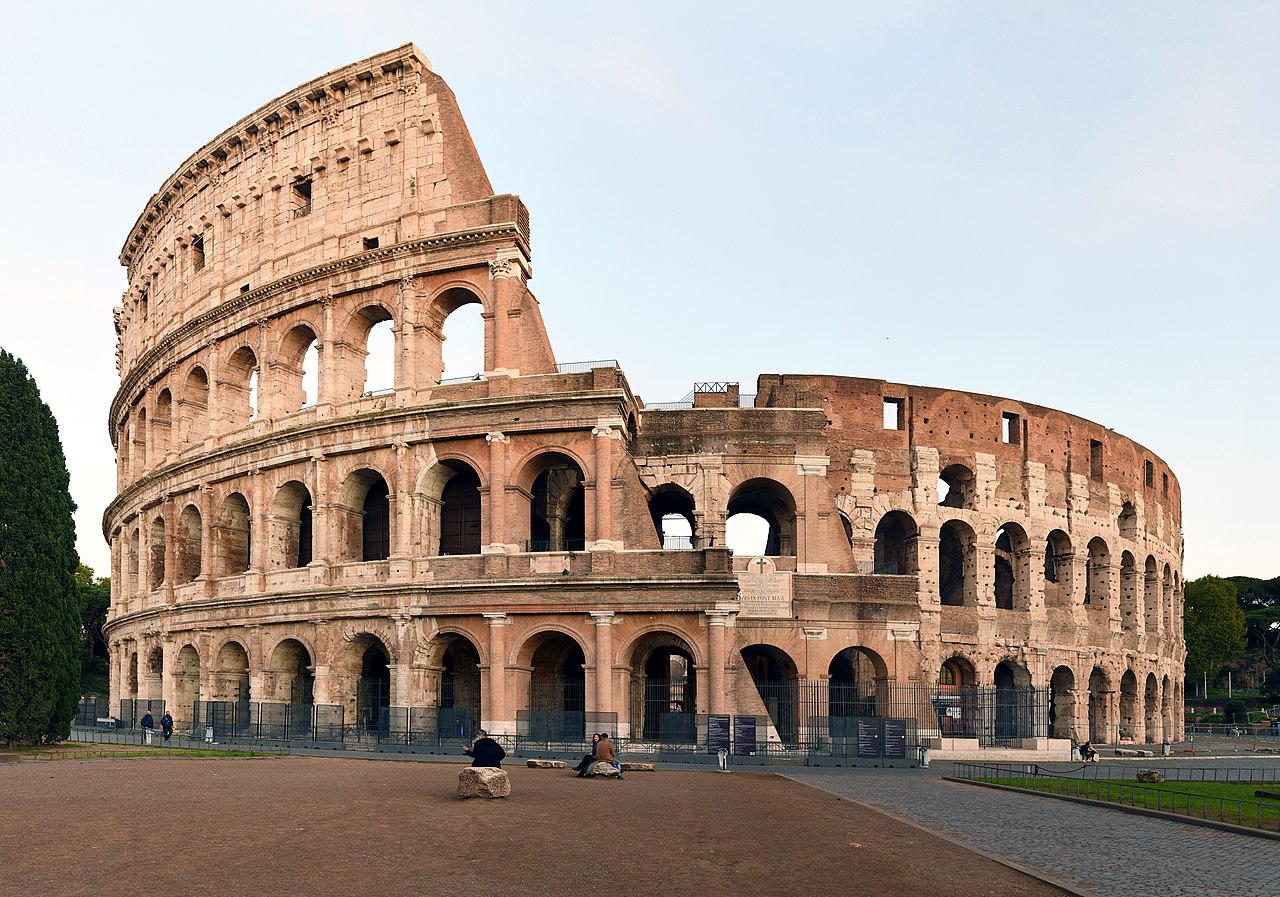
- Colosseum and Roman Forum: get a combined ticket and take the first morning slot. Afternoons are both hotter and busier.
- Vatican Museums and Sistine Chapel: book ahead, no exceptions — in summer the queue can hit two hours.
- Pantheon: entry used to be free and the crowds showed it; timed tickets now apply.
- Trastevere: the liveliest neighbourhood for dinner; a reservation is worth it.
- Villa Borghese: the gardens are free; the gallery needs a booking in advance.
Paris
- Louvre: Thursday and Friday evening slots are noticeably quieter than daytime.
- Eiffel Tower: the best photo angle is from Trocadéro; book a timed ticket if you want to go up.
- Musée d'Orsay: less crowded than the Louvre, and the Impressionist collection is worth a visit on its own.
- Montmartre: go early; by afternoon the steps are packed.
- Marais: the best neighbourhood for recovering from museum fatigue, and still lively on Sundays.
Barcelona
- Sagrada Familia: a timed ticket is required, and the interior is far more striking in the afternoon when light comes through the west façade.
- Park Güell: the paid zone needs a booking; first thing in the morning is the quietest.
- Gothic Quarter: ideal for wandering without a plan, best in the late afternoon.
- Casa Batlló and Casa Milà: don't do both on the same day — architectural fatigue is real.
- Barceloneta: beach and seafood, a sensible way to close the evening.
Amsterdam
- Rijksmuseum: go at the 09:00 opening; the first hour is almost empty.
- Van Gogh Museum: tickets are timed and usually sell out days ahead.
- Anne Frank House: tickets go on sale a full two months in advance — put it in the calendar.
- Jordaan: the loveliest neighbourhood for a canal-side walk.
- Canal Cruise: touristy, but genuinely worth it; pick a late-afternoon sailing.
Prague
- Prague Castle: go around 09:00; by afternoon tour groups fill the grounds.
- Charles Bridge: at sunrise you almost have it to yourself.
- Old Town Square and Astronomical Clock: the hourly show is short — don't set your expectations too high.
- Vyšehrad: away from the tourist crush, and the best view in the city.
- Kutná Hora: about an hour by train, a solid day trip.
Vienna
- Schönbrunn Palace: set aside half a day for the palace tour and the gardens.
- Belvedere: Klimt's The Kiss is here.
- MuseumsQuartier: a combined ticket makes sense if you're doing more than one museum.
- Vienna State Opera: standing-room tickets are very cheap and go on sale the same day.
- Naschmarkt: the liveliest spot for lunch and a snack.
London
- British Museum: entry is free, but don't try to do the whole thing in a day.
- Tower of London: first slot of the morning — the Crown Jewels queue grows fast.
- Tate Modern: free; pair it with a walk along the river.
- West End: check the same-day discounted ticket booths for theatre.
- Greenwich: go by river bus — the journey is a tour in itself.
Berlin
- Brandenburg Gate and Reichstag: the Reichstag dome is free, but you have to register in advance.
- Museum Island: five museums in one place — a combined ticket is by far the better deal.
- East Side Gallery: the longest remaining stretch of the Wall.
- Berlin Wall Memorial: Bernauer Strasse, the stop that tells the city's history best.
- Kreuzberg and Neukölln: for food, drink and nightlife.
Lisbon
- Belém Tower and Jerónimos Monastery: same neighbourhood — do them together in the morning.
- Alfama: evenings for fado, daytime for the views.
- Tram 28: packed except first thing in the morning.
- Sintra: about 40 minutes by train, and it needs a full day.
- LX Factory: cafés and design shops on an old factory site.
Five rules for planning visits
- Put the big museums first thing in the morning; the queue difference shapes the rest of the day.
- Plan no more than two major indoor sights a day; you'll be too tired to enjoy a third.
- Book anything that needs a timed ticket before you travel. Sagrada Familia, Anne Frank House and the Vatican are the usual ones.
- Plenty of museums close on Mondays — build the route around that.
- Check free-entry days, and know those are also the busiest days.
Browse the city guides
Frequently asked questions
What's the best time of day to visit museums in Europe?
At opening, usually 09:00–10:00. The first hour is the quietest stretch in almost every major museum. In some, Thursday and Friday evening slots are much calmer than daytime.
Which places do I have to book in advance?
Sagrada Familia, Vatican Museums, Anne Frank House, Van Gogh Museum, Colosseum and Uffizi all use timed tickets, and popular dates sell out days ahead.
Are city cards worth it?
Usually yes if you're visiting three or more paid museums and using public transport a lot. On a lighter two-museum plan, buying tickets separately is cheaper.
How many days should I give a city?
At least three full days for big cities such as Rome, Paris and London; two full days is usually enough for more compact ones such as Amsterdam, Prague and Vienna.