

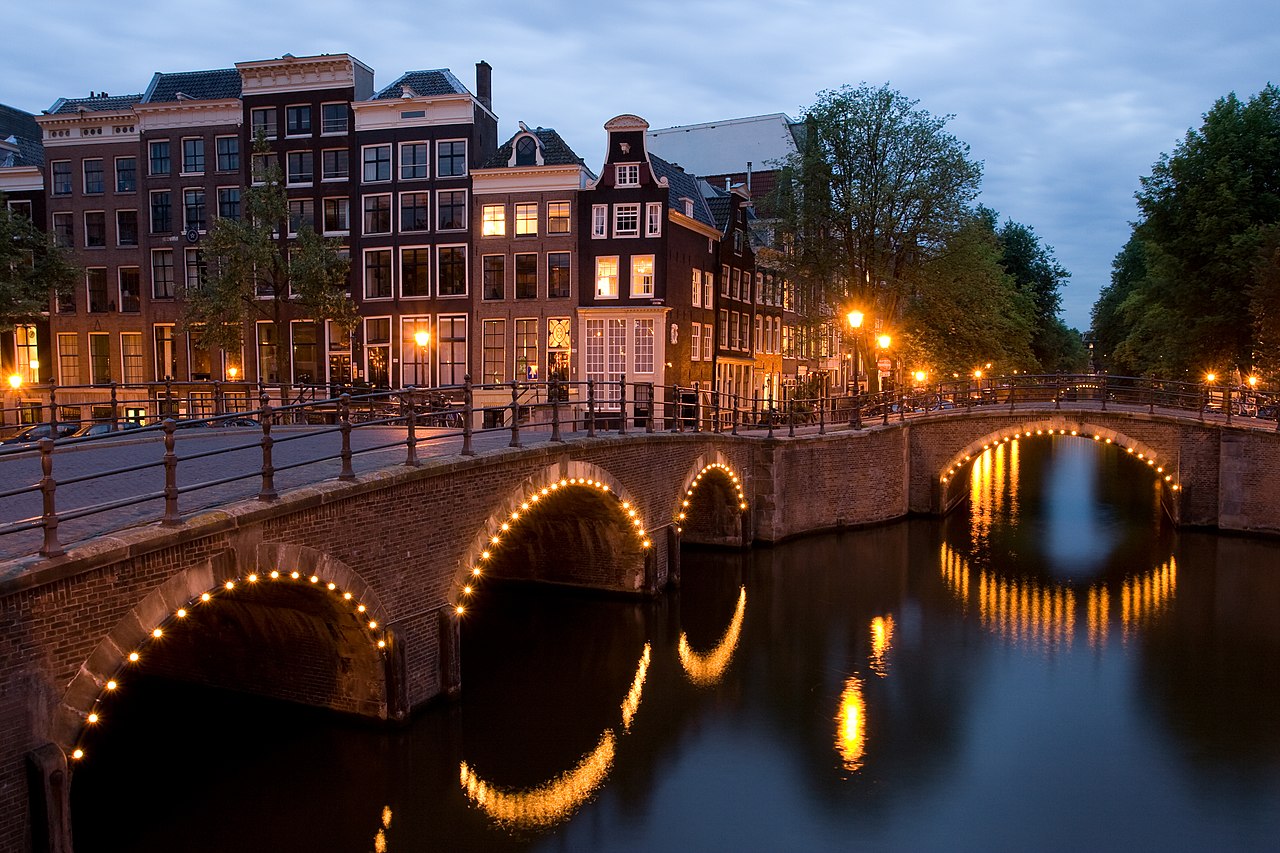
Canal Cruise
Ideal: Ideal for first-time visitors, romantic routes, photography, and relaxed city tours.
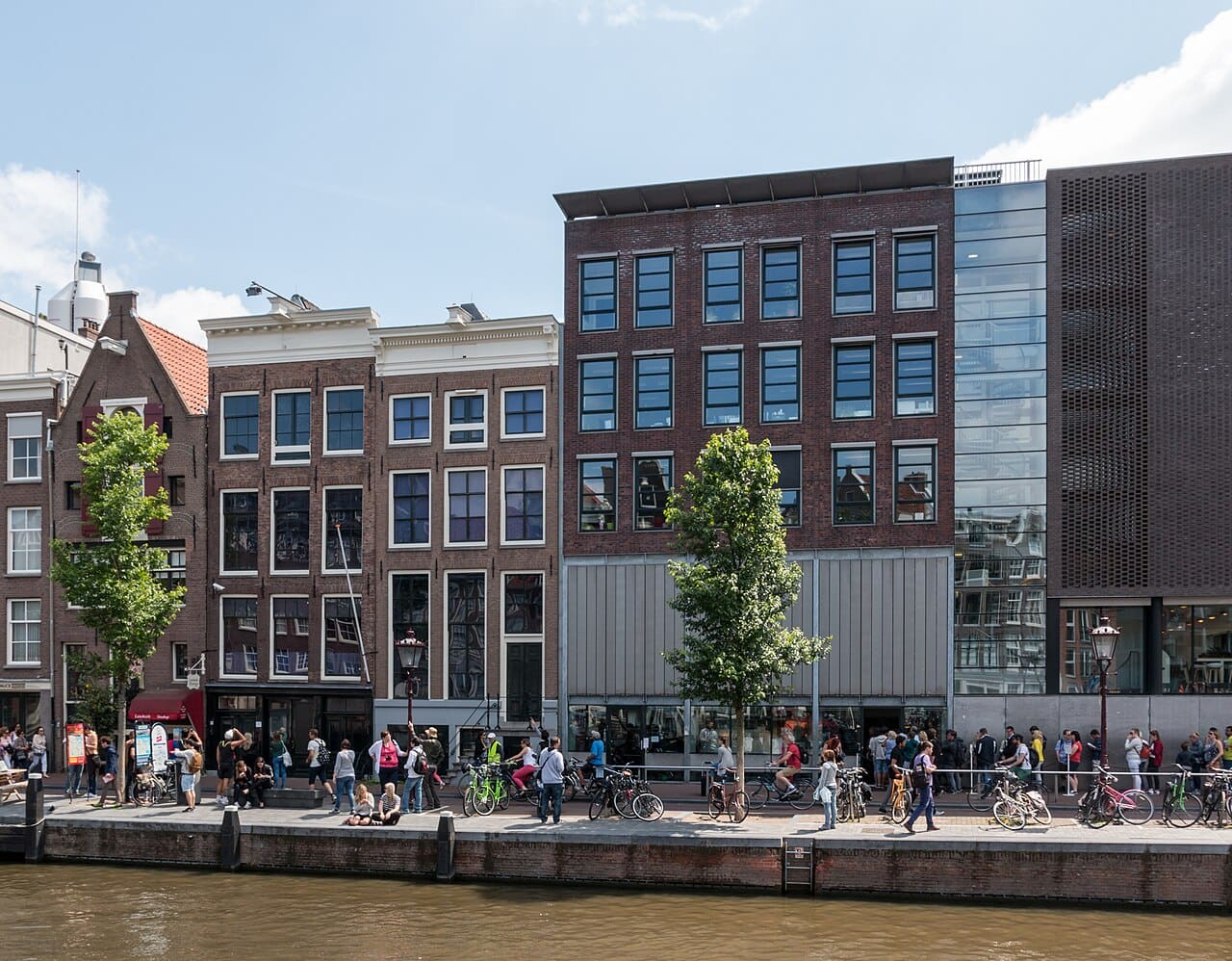
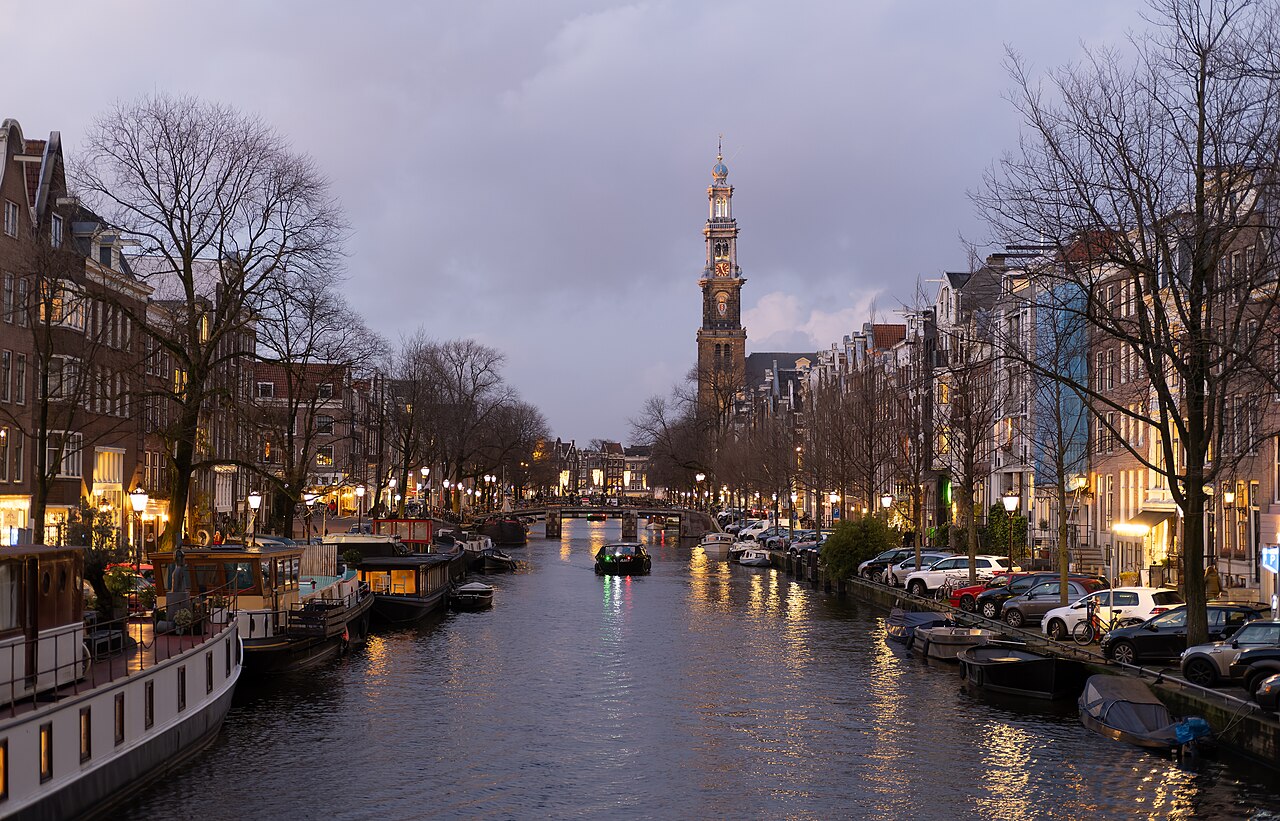
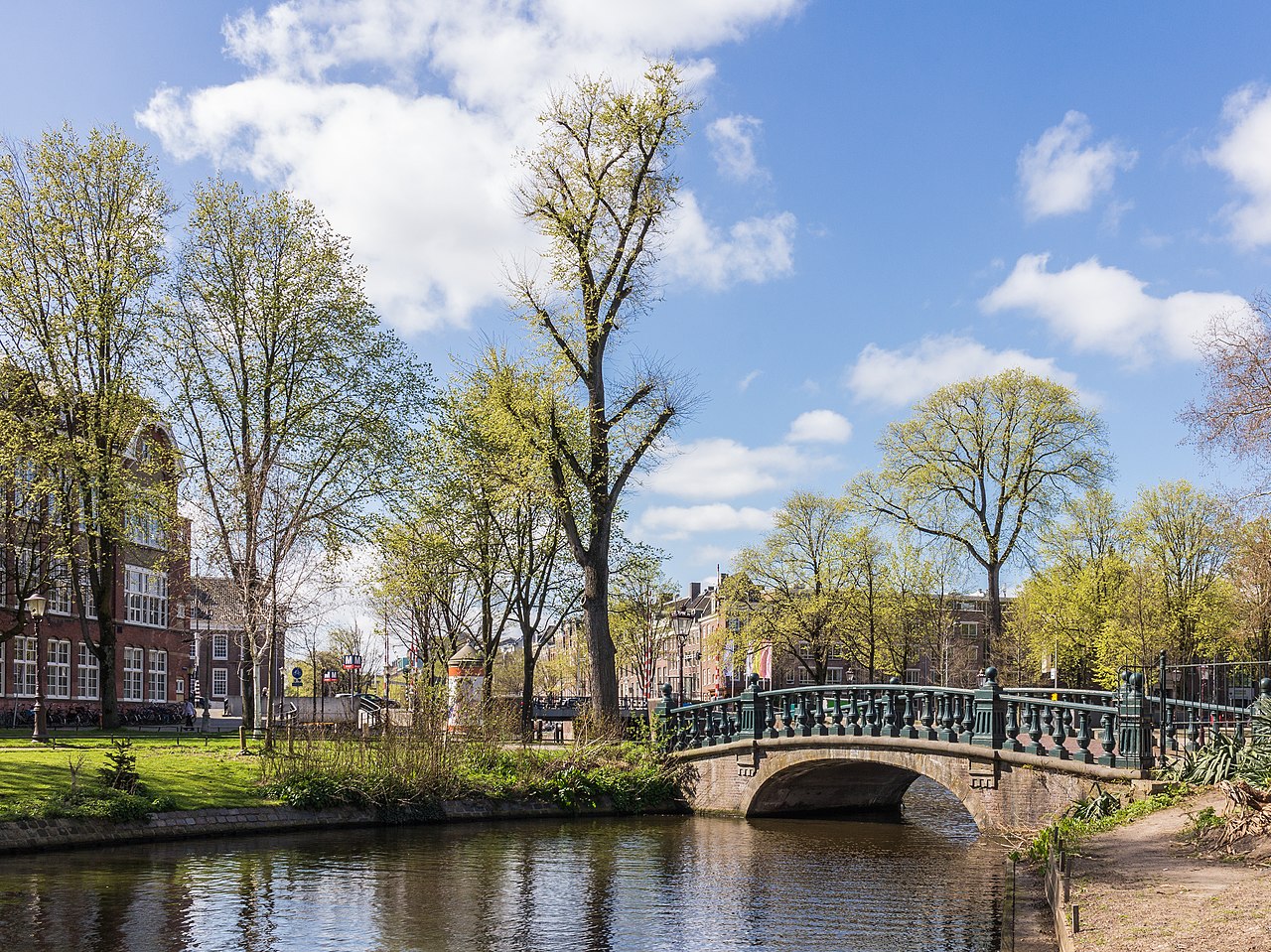
The canal belt wrapping the city was dug in a planned way from 1613 and joined UNESCO's list in 2010; in total there are 165 canals and more than 1,500 bridges. Houses are so narrow because of tax: levies were based on facade width, so everyone built deep instead. Stairs stayed steep and narrow for the same reason; furniture is still hoisted from outside with roof hooks, which is why houses lean slightly forward. About 2,500 houseboats float on the canals.
Did you know?
Why are Amsterdam's houses so narrow?
Tax was levied on the width of the façade, so houses were built narrow and deep. Some are only two metres wide, and the city's narrowest front is a little over one metre.
What is the hook at the top of the houses for?
The stairs are too narrow and steep to carry furniture, so it is still hoisted through the window on a rope from these hooks. The façades lean slightly forward for the same reason — to keep the load off the wall.
Why are the canals UNESCO-listed?
The 17th-century ring of three main canals was inscribed in 2010. What was recognised is not the view but the planning: expanding marshland in concentric arcs was one of the largest urban design projects of its age.
Why go?
- To see Amsterdam's UNESCO canal ring from the water
- For bridges, historic houses, and the skyline from a different angle
- Because it offers a more relaxed, panoramic city experience than walking
Travel tip
Canal tours near sunset are much more atmospheric; glass-roof boats work well for photos.