

Kutná Hora
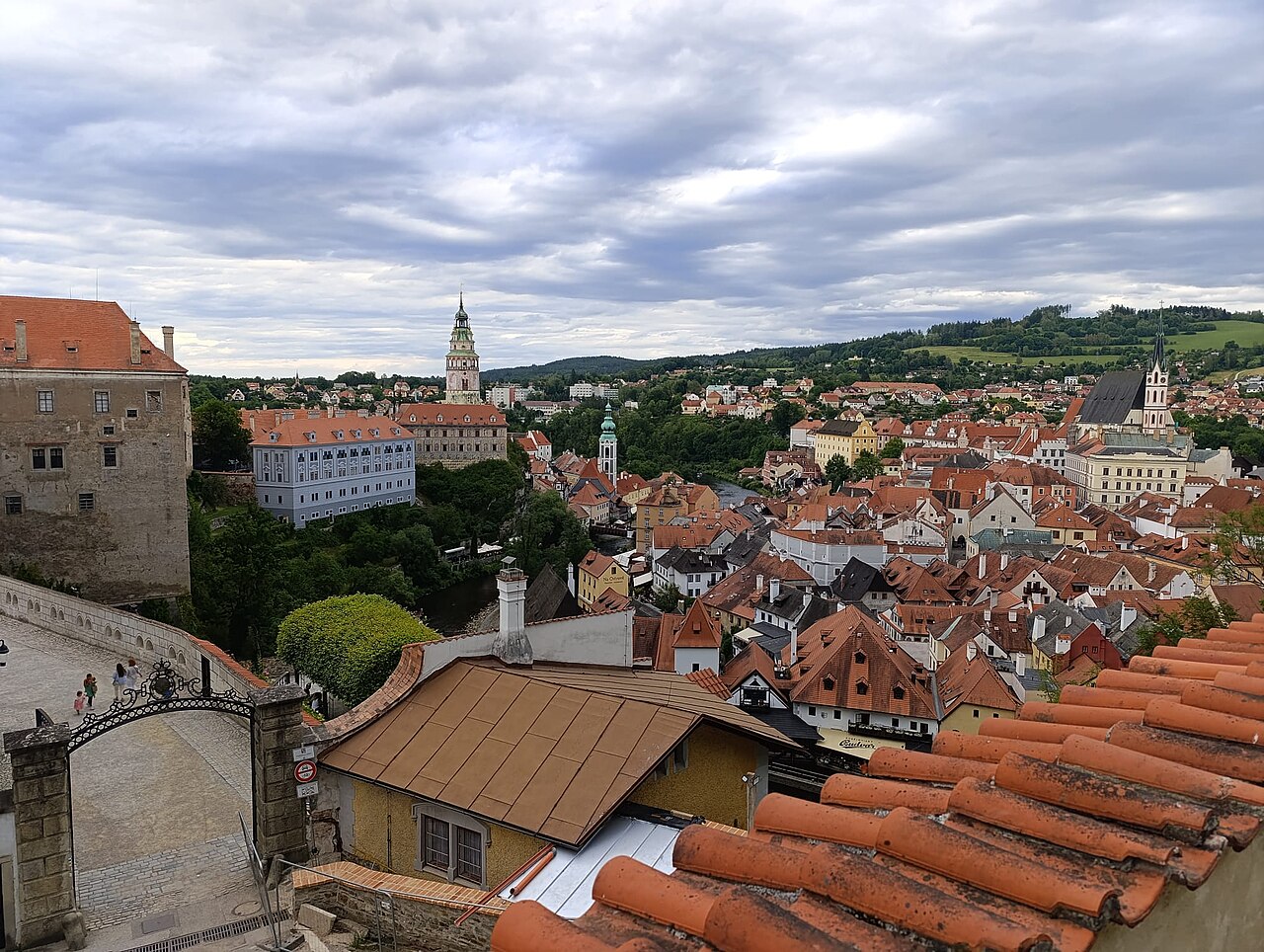
Ideal: Ideal for history, Gothic architecture, day trips, and distinctive cultural stops.
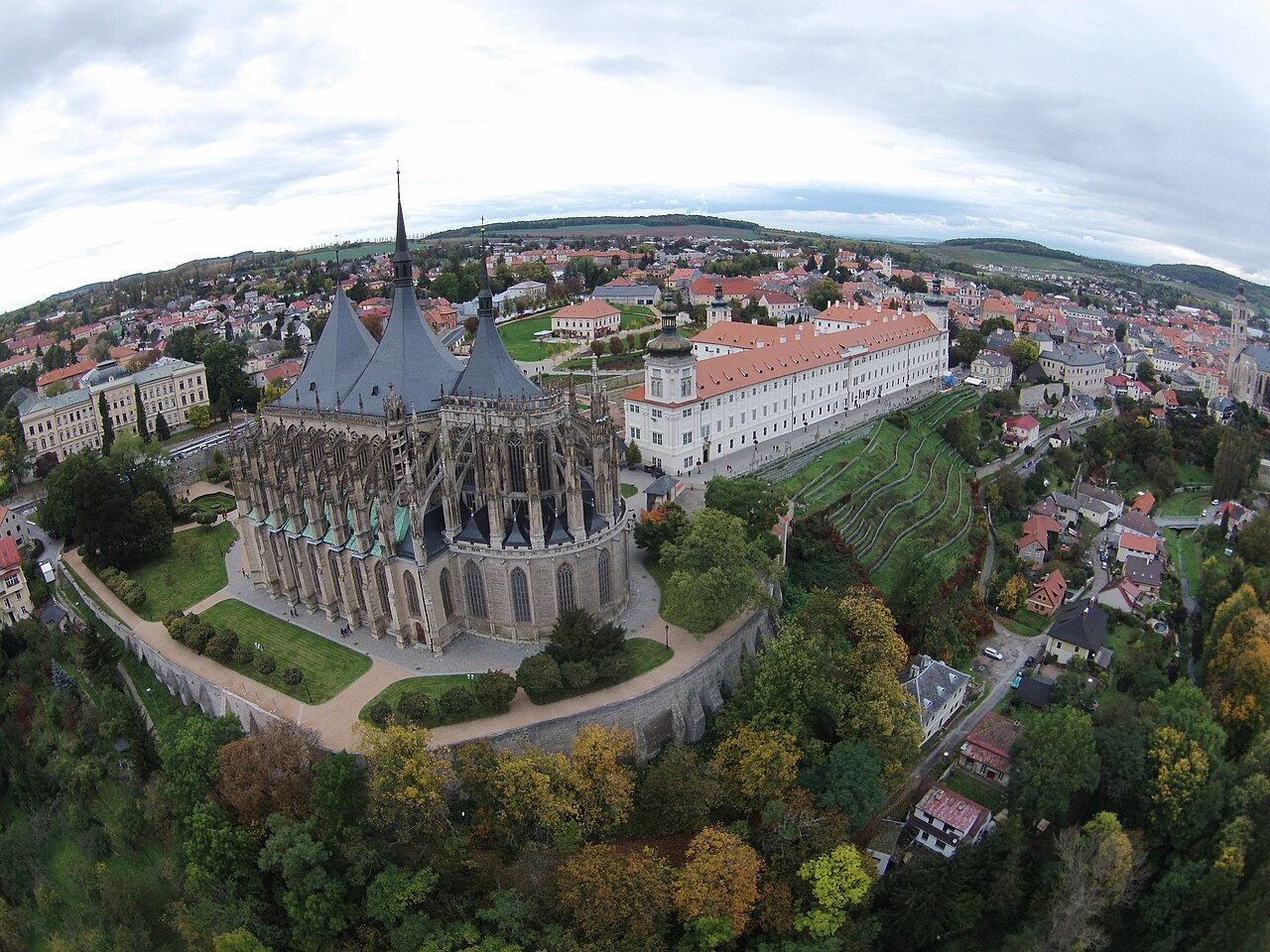
Thanks to its silver mines, it was once Bohemia's richest city after Prague; from 1300 the Prague groschen minted here became currency across much of Europe. St. Barbara Cathedral was dedicated to miners' patron saint and paid for directly by mine owners. The most startling building is the Sedlec Ossuary nearby: in 1870 woodcarver František Rint arranged the bones of more than 40,000 people into chandeliers, coats of arms, and columns. The cemetery became so crowded because a bishop spread soil brought from Jerusalem here in 1278.
Quick facts
- Area
- 33.1 km²
- Elevation
- 254 m
Facts from Wikidata, photos from Wikimedia Commons.
Did you know?
How many people's remains are in the bone church?
The Sedlec Ossuary contains the bones of roughly 40,000–70,000 people. In 1870 the woodcarver František Rint arranged them into a chandelier, a coat of arms and columns — and signed his name in bone.
Why was this small town so wealthy?
Silver veins found in the 13th century made Kutná Hora the second-richest city in Bohemia. The Prague groschen, a coin circulating across much of Europe, was minted here.
Why was the cemetery soil so sought after?
In the 13th century an abbot scattered earth brought from Jerusalem over the ground. Burial requests then arrived from across Central Europe and the cemetery quickly overflowed.
Why go?
- To see one of the most important historic Czech cities outside Prague
- To experience St. Barbara Cathedral and Gothic architecture
- To add a different, intense history stop beyond the classic Prague route
Travel tip
If planning a day trip, check transport times in advance and leave time to walk within the town.