Route ideas
Tallinn, Tartu, Vilnius, Trakai: 10-day Baltic route
The Baltics contain Europe's least-explored medieval centers, and prices are half that of Western Europe. The three capitals are connected by a single bus line.
FlyVentis editör ekibi tarafından hazırlanmış, seyahat ve etkinlik bilgileri düzenli olarak gözden geçirilen rehber.
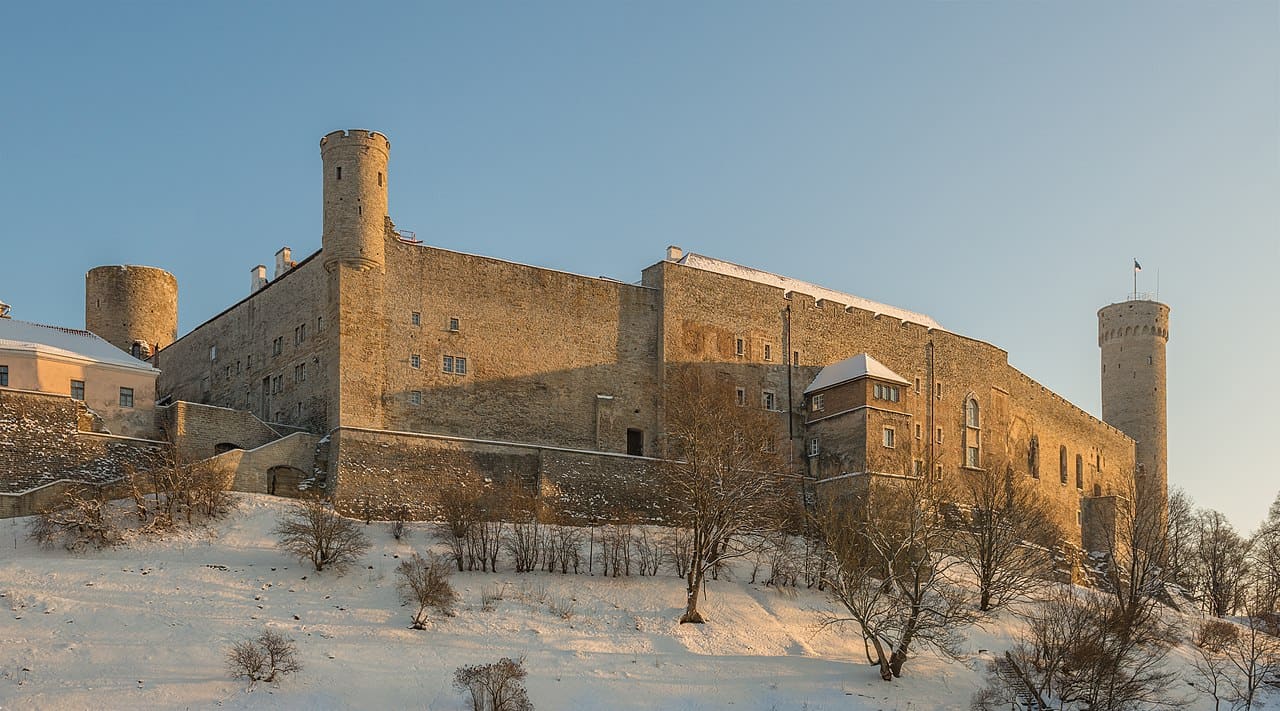
The Baltic capitals have some of the best-preserved medieval centers in Europe but remain far off the charts. This is an advantage for the visitor: Tallinn's walled old city offers a center on the scale of Prague and without the same density of crowds. Prices are also about half of Western Europe.
This route is based on 10 days and goes from north to south: you land in Tallinn, visit Estonia, go to Lithuania via Riga and return from Vilnius. Transportation is entirely done by bus.
Day distribution: how many nights where?
| Stop | Country | Night | Why so much? |
|---|---|---|---|
| Tallinn | Estonia | 3 | Old town, Kadriorg and Telliskivi |
| Tartu | Estonia | 1 | University town, on the road |
| Riga | Latvia | 2 | Art Nouveau district and center |
| Vilnius | Lithuanian | 3 | Old town, Užupis and Trakai |
| road share | - | 1 | bus legs |
Tallinn: three days
- Tallinn Old Town The most complete medieval center in Northern Europe: most of the city walls and 20 towers are still standing, the street pattern has remained almost unchanged since the 13th century. The center is two-tiered; Below is the merchant city, above is the administrative hill. All of them are on the UNESCO list and can be visited on foot in a day.
- Toompea Castle is the administrative hill in the upper city and today the Estonian parliament is here; The Kohtuotsa and Patkuli observation decks next to it are the two best spots overlooking the red roofs of the old city, and both are free.
- Alexander Nevsky Cathedral Russian Orthodox church with onion domes, just opposite Toompea; It was deliberately built opposite the parliament during the Tsarist period, and this location is still debated today. The interior mosaics are worth seeing, entrance is free.
- Telliskivi creative district converted from former factory space: design shops, cafes and a weekend market. It shows the modern face of the city after the medieval texture of the old city, and is a 15-minute walk from the center.
- Kadriorg Palace The baroque palace built by Peter the Great and the surrounding park; There is an art museum inside. 15 minutes by tram to the center is enough for half a day.
Tartu, Riga and road
- University of Tartu was founded in 1632 and is the intellectual center of Estonia; The city has a much younger population than the capital and its evening life is lively. It's a comfortable night on the road between Tallinn and Riga.
- Lahemaa National Park 1 hour from Tallinn: rocky coast, forests and restored manors all in one place. It is difficult to go without a car, it can be visited with daily tours.
- Riga's Art Nouveau district is one of the densest examples in the world: the facades on Alberta's ielā street are covered from top to bottom with sculptures and mascarons. The House of Black Heads in the center and the Riga Central Market (housed in former airship hangars) are the other two main stops.
- Riga is the largest and liveliest of the three capitals; Two nights are enough for the center.
Vilnius and Lithuania
- Vilnius Old Town One of the largest baroque centers in Eastern Europe and entirely on the UNESCO list; Wider squares and more ornate facades, completely different from the medieval fabric of Tallinn. The center is walkable and not crowded.
- Gediminas Tower is on the hill where the city was founded and is the last remaining castle tower; From above, the old city and the modern business center appear in the same frame. It can be reached by funicular or stone path.
- Užupis is an artist quarter across the river that has declared itself an independent republic; The constitution is posted on a wall in more than twenty languages, and one of the articles says "everyone has the right to be unhappy." It started as a joke, but the region has truly established its own identity.
- Trakai Island Castle 30 minutes from Vilnius: red brick castle built on an island in the middle of the lake, connected to the land by a wooden bridge. In winter, the lake freezes and you have to walk to the castle on ice. Half a day is enough.
- Cross Hill Near Šiauliai, in the north: a hill where more than a hundred thousand crosses were piled up. It was bulldozed many times during the Soviet period, and was rebuilt each time at night. It takes 2.5 hours to get to Vilnius and requires a whole day, but it is the most extraordinary place in the Baltics.
Transportation and practical notes
| Connection | Duration | Estimated fee |
|---|---|---|
| Tallinn → Tartu | 2 hours 30 minutes | 8-15€ |
| Tartu → Riga | 4 hours | 12-20€ |
| Tallinn → Riga (direct) | 4 hours 30 minutes | 12-22€ |
| Riga → Vilnius | 4 hours | 12-20€ |
| Vilnius → Trakai | 35 minutes | 2-4€ |
- All three countries use the euro and are in the Schengen area; There are no stops at border crossings.
- Estonia is very advanced in digital services: public transport, parking and most payments are made by phone, cash is almost never required.
- In winter, daylight ends at three in the afternoon and temperatures drop to minus 10; It is necessary to establish a program focused on museums and cafes.
- Buy an open-mouthed ticket: Landing in Tallinn and returning from Vilnius means saving 9 hours on the road from returning to the same city.
| Pen | Economic | Middle | Comfortable |
|---|---|---|---|
| Flight (open jaw) | 90-160€ | 160-270€ | €270-420 |
| buses | 40-65€ | 65-100€ | 100-150€ |
| Accommodation (9 nights) | 270-450€ | 450-800€ | €800-1,500 |
| Food and beverage | 180-280€ | €280-430 | 430-700€ |
| Museum and entrances | 60-90€ | 90-140€ | 140-220€ |
| Total | €640-1,045 | €1.045-1.740 | €1,740-€2,990 |
When to go?
June to August is the best period in the Baltics: the day is really long, the night hardly gets dark in Tallinn at the end of June, and the cities are filled with open-air programs. May and September are quieter and still walkable. Christmas markets are held in all three capitals in December, and Tallinn's is considered one of the most atmospheric examples in Europe, with the medieval texture of the square; On the other hand, the temperature drops to minus. January-March is the cheapest but darkest period.
Keep planning
Frequently asked questions
How many days does it take to visit the Baltic countries?
7 days is enough for three capitals. When you add stops such as Tartu, Trakai and the national park, 10 days gives a comfortable pace; Distances between cities are 4-5 hours.
Train or bus?
Bus. International train connectivity in the Baltics is very limited; The network of buses and services connecting the three capitals is hourly. The vehicles are modern, tickets can be purchased online and the price is reduced to 10-15 euros if purchased early.
Is the euro valid in all three countries?
Yes, Estonia, Latvia and Lithuania use the euro and all three are in the Schengen area; There is no control at border crossings.
Does it make sense to go in winter?
For Christmas markets, yes, but daylight ends at three in the afternoon and temperatures drop to minus 10. Build the winter route on a museum, cafe and indoor program; In the summer months, the day almost never gets dark.