

Telliskivi
Ideal: Good for café culture, design, street art, and alternative neighborhoods.
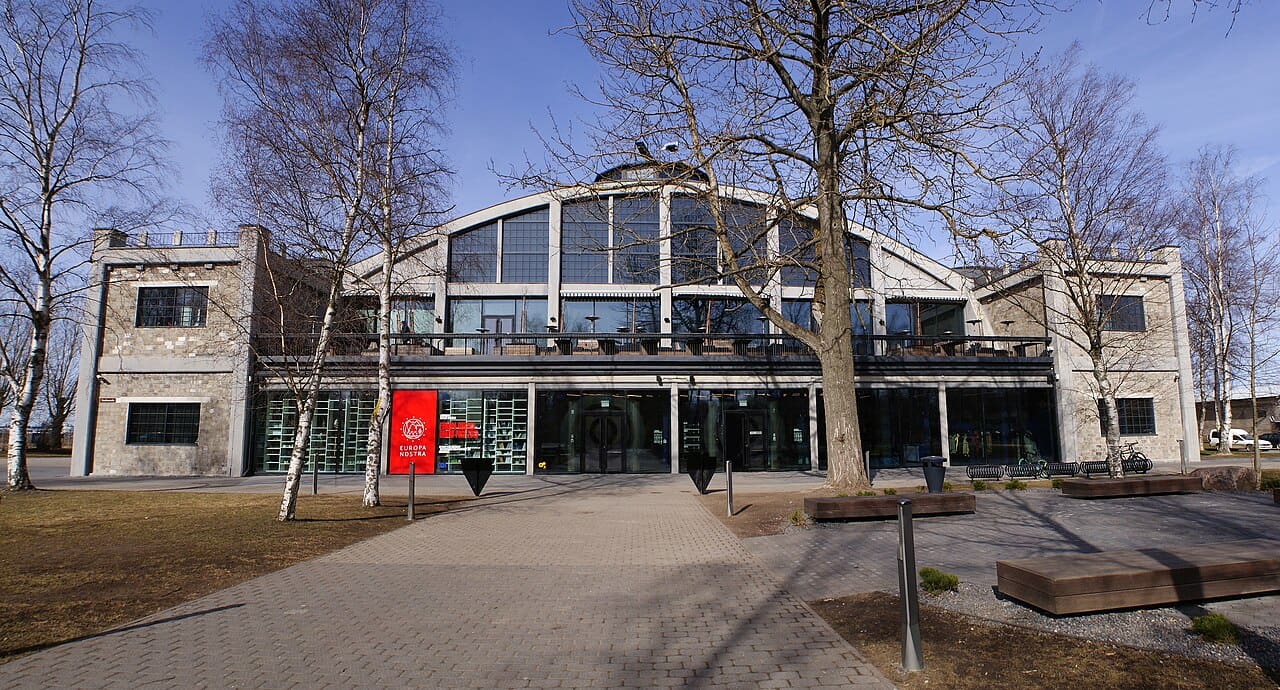
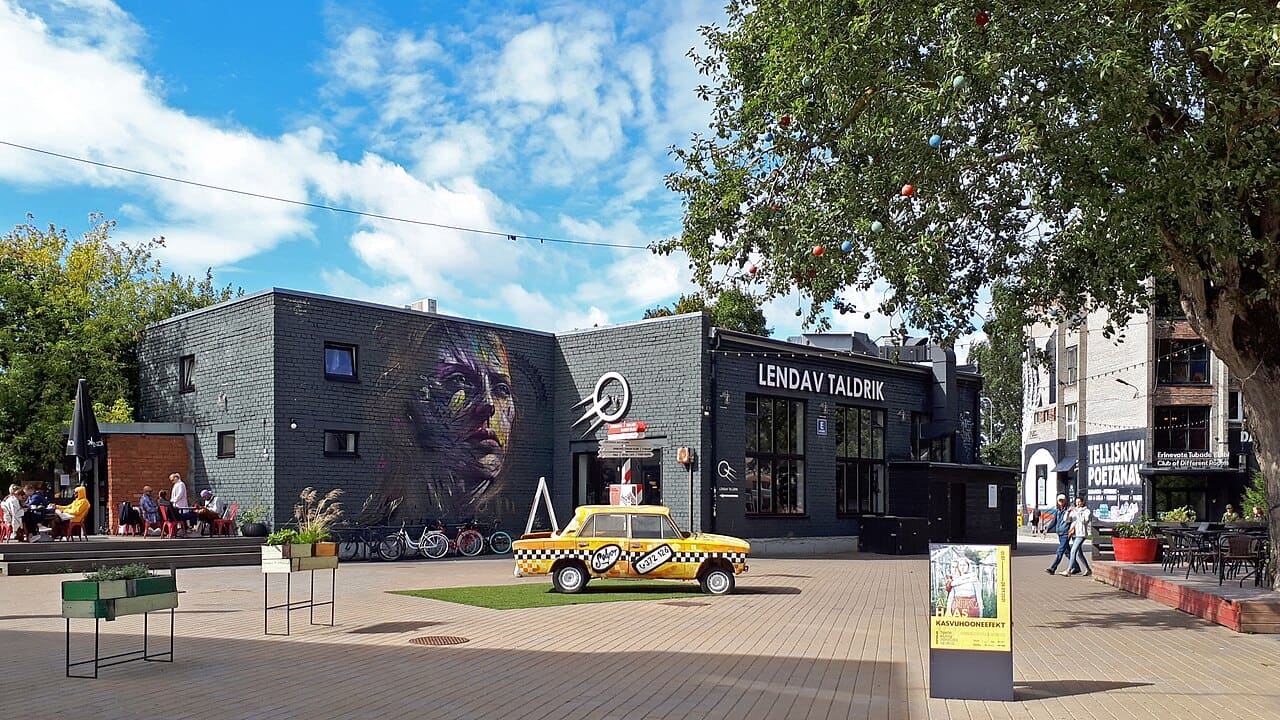
A Soviet-era factory complex that produced electrical equipment was converted from 2009 onward; today the area holds nearly 250 companies, workshops, concert venues, and Fotografiska's Tallinn branch. The walls carry one of the country's densest accumulations of street art, and the works change regularly. The district also overlaps with Estonia's tech identity: Skype's software was developed here in Tallinn, and the country is cited as a reference for digital government through its e-residency program. The nearby Balti Jaam market fits naturally into the same route.
Did you know?
When did Telliskivi become a creative hub?
The former Soviet-era factory complex was converted from 2009 onwards. It now hosts more than 250 companies, studios, galleries, restaurants and cafés.
Who made the murals in the area?
It is Estonia's densest street-art district and the walls change regularly. Annual festivals bring local and international artists to produce new work.
When is the weekend market held?
The Saturday flea market and local producers' market are the area's liveliest moment, with vintage clothing, records and handmade goods.
Why go?
- To see Tallinn's modern and creative atmosphere
- For street art, boutique shops, and cafés
- To feel local life outside the Old Town
Travel tip
Visiting Telliskivi together with Balti Jaam Market makes for a fuller route.