

Vilnius Old Town
Ideal: Ideal for first-time Vilnius visitors and those who love history, architecture, and city walks.
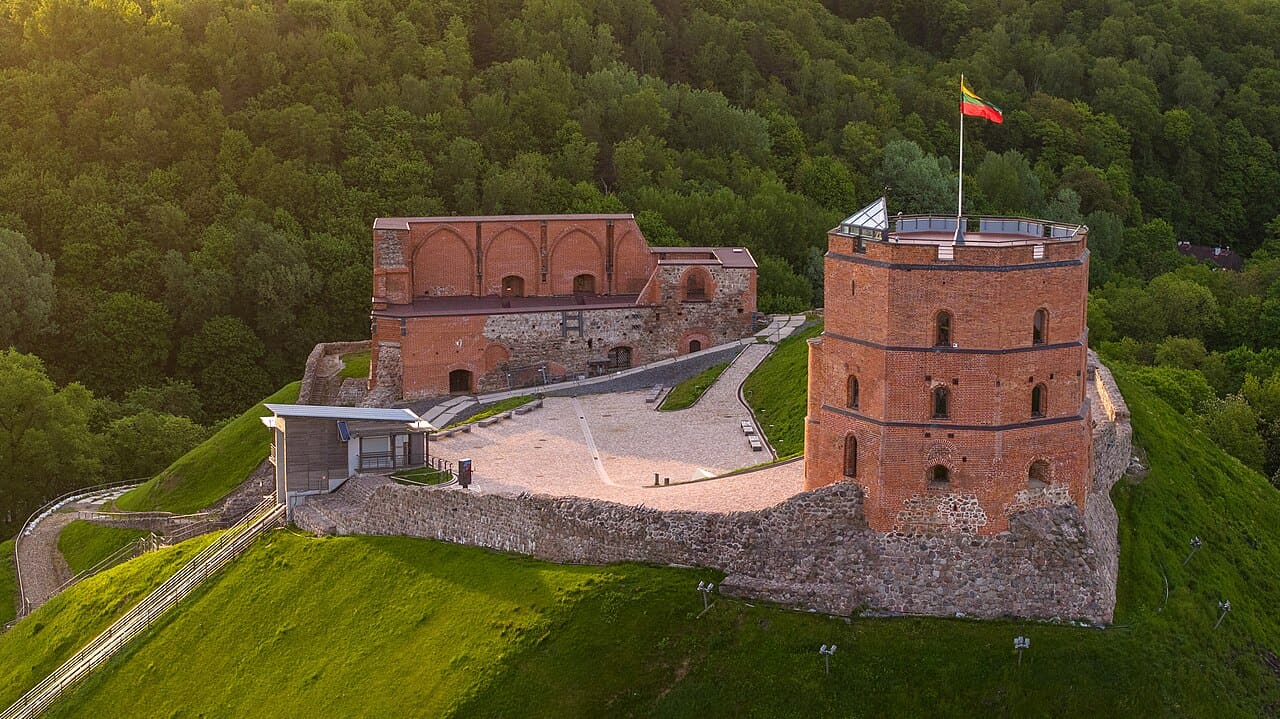
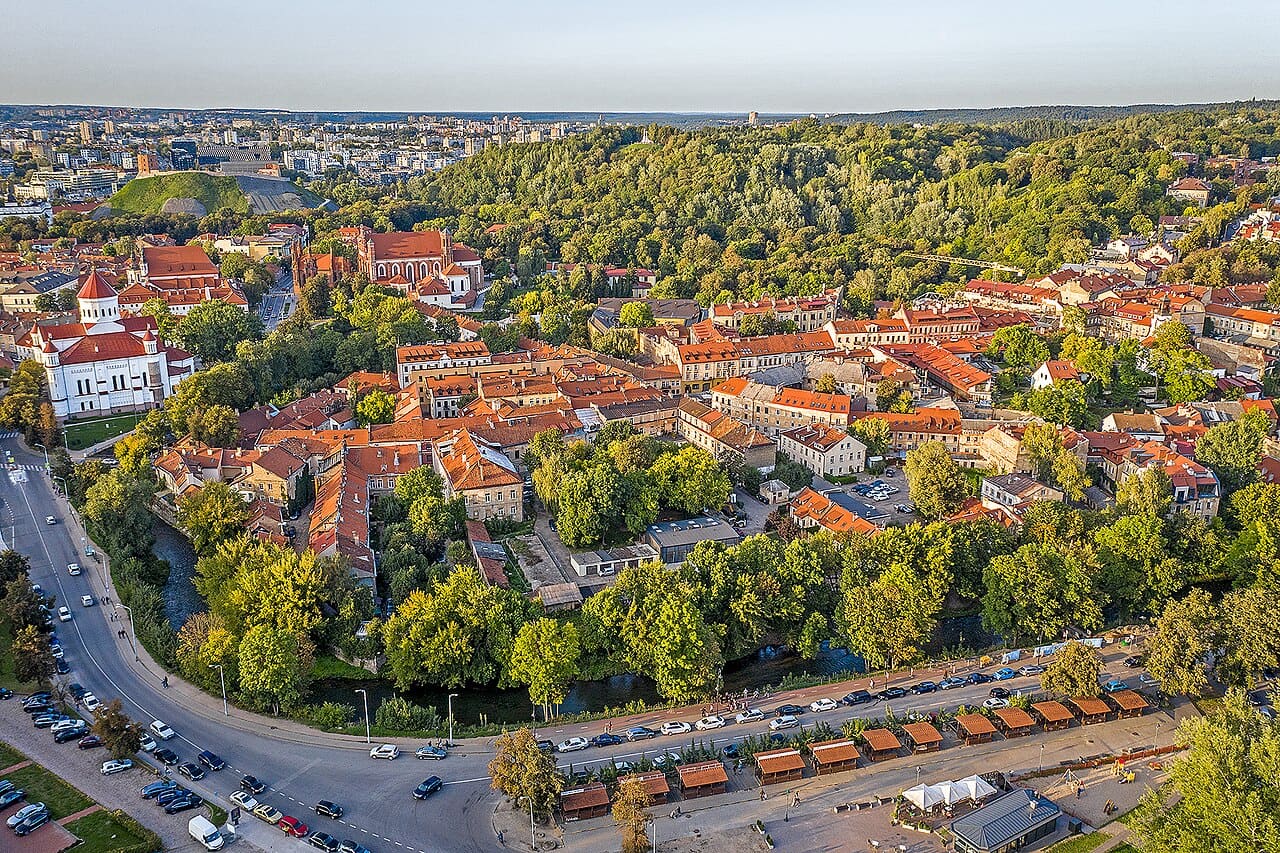
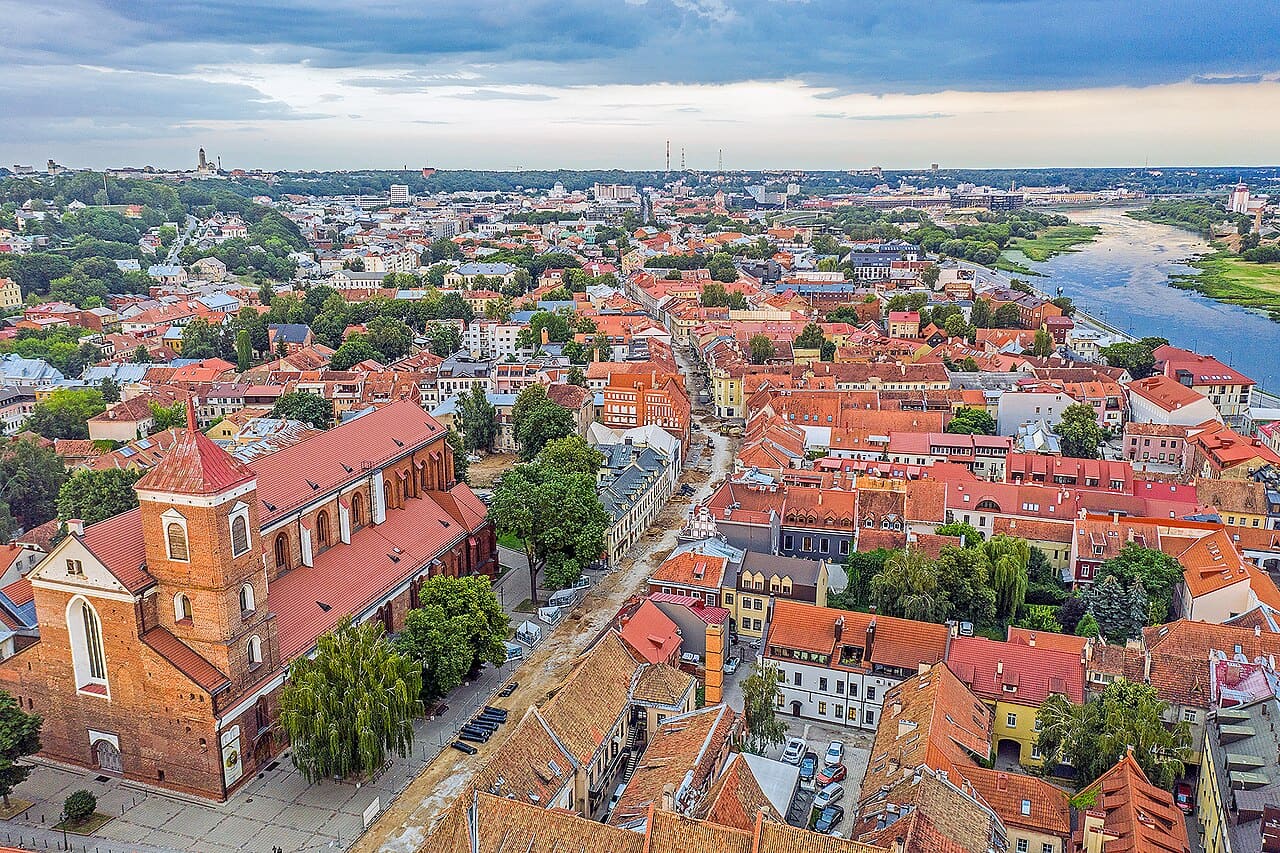
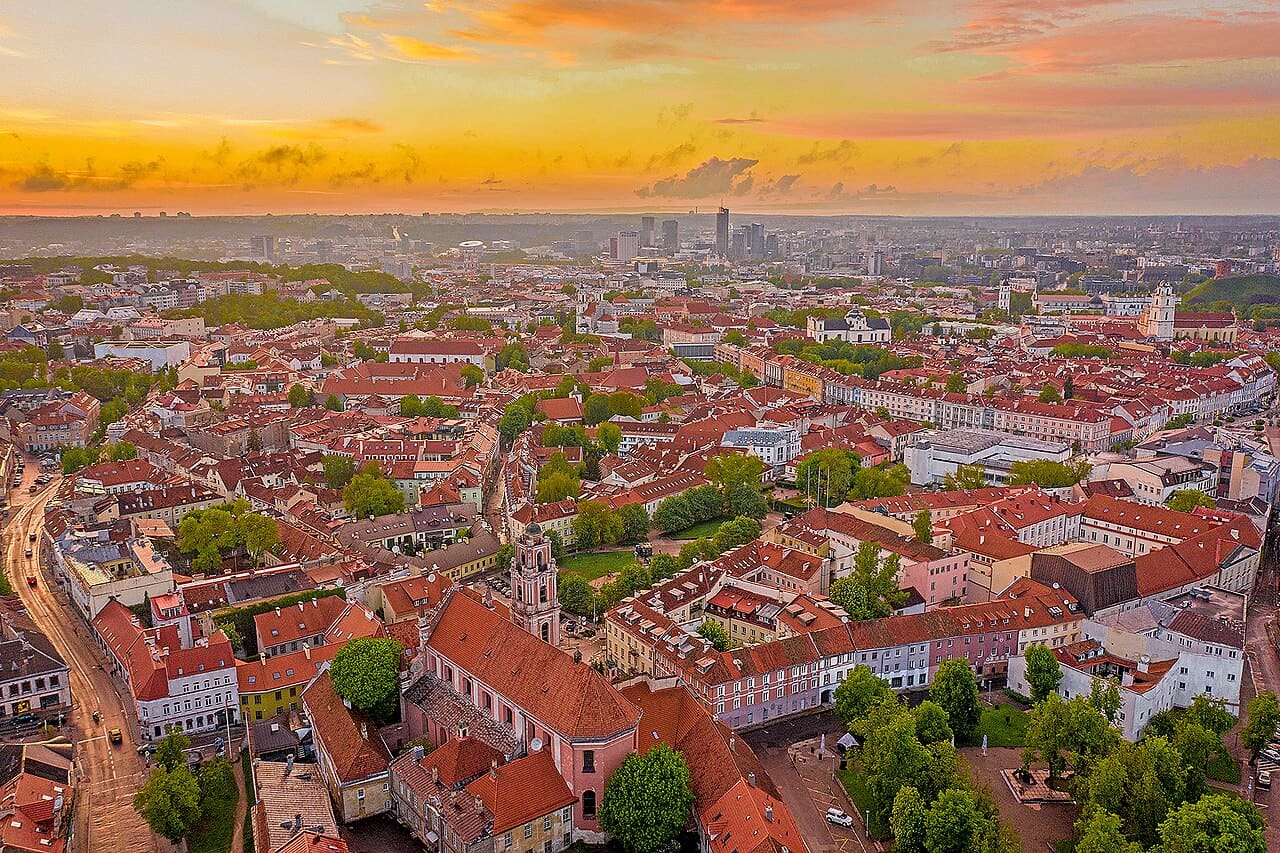
At roughly 360 hectares, it is the largest surviving medieval city fabric in Eastern Europe and joined the UNESCO list in 1994. The city burned repeatedly and was rebuilt each time in the style of the period, producing a distinctive Vilnius Baroque. Before World War II about forty percent of the population was Jewish and the city had nearly a hundred synagogues — it was called the Jerusalem of the North; after the war only the Choral Synagogue remained standing.
Quick facts
- Area
- 352 hectares
- Heritage status
- World Heritage Site
Facts from Wikidata, photos from Wikimedia Commons.
Did you know?
Why is Vilnius's old town so large?
At around 360 hectares it is one of the largest medieval old towns in Eastern Europe, UNESCO-listed in 1994. Gothic, Renaissance, Baroque and Classical buildings stand side by side.
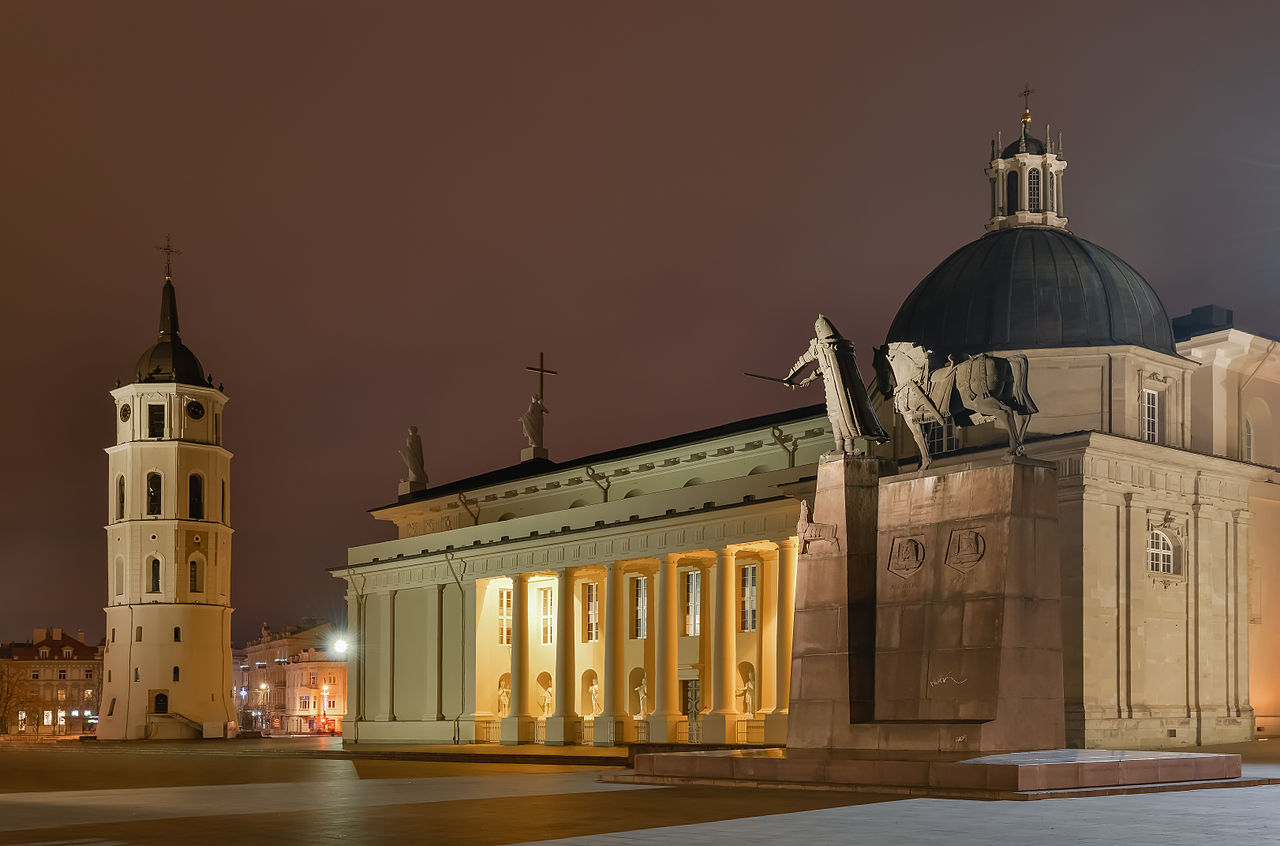
What is the hidden tile on Cathedral Square?
The tile marked "stebuklas" (miracle) marks the starting point of the 1989 Baltic Way, when two million people formed a 675 km human chain from Vilnius to Tallinn.
Why was the city called the Jerusalem of the North?
Before the Second World War Vilnius was one of the great centres of Eastern European Jewish culture, with over a hundred synagogues and a major tradition of religious scholarship.
Why go?
- To see the UNESCO-listed historic city fabric
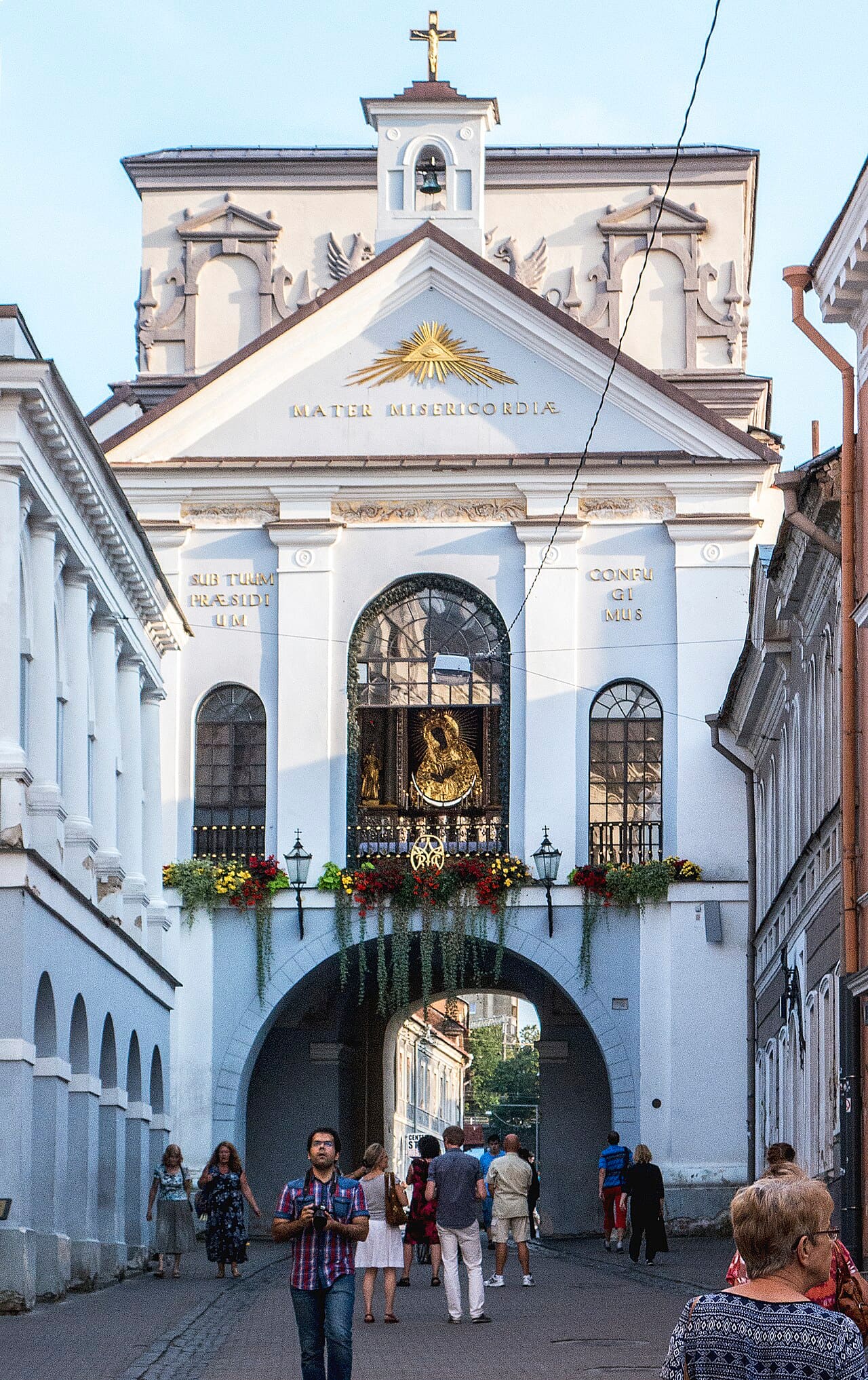
- To experience Baroque architecture, narrow streets, and square atmosphere
- To start a strong, walkable Vilnius route
Travel tip
The old town is best explored on foot; side streets reveal more local and quieter corners.