Route ideas
Copenhagen, Stockholm, Oslo: the Scandinavia itinerary that isn't as expensive as it looks
Scandinavia is expensive, that's true — but the money doesn't go where most people think. Three habits bring this itinerary down to Western European prices.
FlyVentis editör ekibi tarafından hazırlanmış, seyahat ve etkinlik bilgileri düzenli olarak gözden geçirilen rehber.
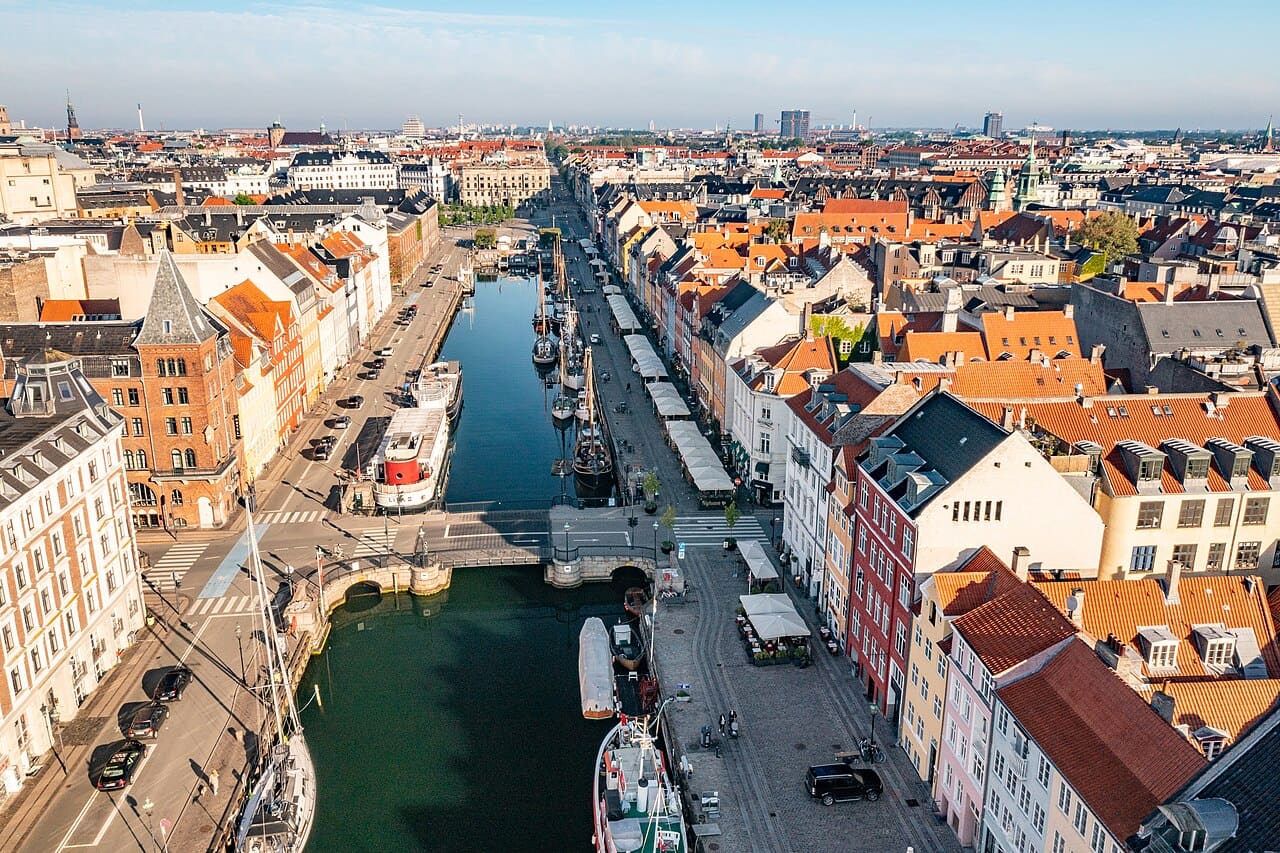
There's one sentence people say about Scandinavia: it's expensive. That's true, but incomplete. What's expensive is sitting down in a restaurant, alcohol and taxis. Accommodation is not markedly higher than Paris or Amsterdam, public transport is excellent, some museums are free, and nature — the best part of the trip — costs nothing.
This itinerary links the three capitals in 9-11 days. All three sit on the water, all three are walkable, and the connections between them run on some of Europe's most comfortable trains.
The route and the connections
| Leg | Train | Flight | Suggestion |
|---|---|---|---|
| Copenhagen → Stockholm | 5 hours 10 minutes | 1 hour 15 minutes | Train: centre to centre, scenic |
| Stockholm → Oslo | 6 hours | 1 hour | Train if booked early, otherwise fly |
| Copenhagen → Oslo | 7-8 hours | 1 hour 10 minutes | Fly, or the overnight ferry |
| Copenhagen → Malmö (day trip) | 35 minutes | - | Cross the bridge for a day in Sweden |
Day-by-day plan
Days 1-3: Copenhagen
Start with Nyhavn and Strøget, but you'll actually get to know the city in Christianshavn and Vesterbro. Hire a bike for a day — Copenhagen is the most bike-friendly city in the world, and it's the cheapest way to see it. Tivoli is an afternoon visit; Rosenborg Castle is for the morning.
Days 4-6: Stockholm
Stockholm is built on fourteen islands, and you only really grasp that from the water; take an archipelago ferry trip one day. Gamla Stan (the Old Town) is a half-day, the Vasa Museum and Skansen on Djurgården a full one. The Vasa is the world's best-preserved 17th-century warship, and the city's undisputed number-one stop.
Days 7-9: Oslo
Oslo has been rebuilt over the last decade: you can walk up onto the roof of the Opera House, and the new Munch Museum and the waterfront promenade have changed the city completely. Vigeland Park is free. If you have time, add the train to Bergen from here — it's often ranked among Europe's most beautiful railway lines.
Three habits that actually cut the cost
- Eat a sit-down lunch and shop for dinner at the supermarket. Scandinavian supermarkets are excellent, and lunch menus cost half the evening price. That change alone saves 25-40 € a day.
- Do the maths on city cards; don't buy them automatically. The Copenhagen and Stockholm cards pay off if you're doing a lot of museums; they lose you money if you're making one or two stops a day.
- Take alcohol out of the travel budget. A pint in Scandinavia costs three times what it does in Central Europe, and it's the sneakiest line in the total.
| Item | Budget | Mid-range | Comfortable |
|---|---|---|---|
| Flights (open-jaw) | 180-280 € | 280-420 € | 420-650 € |
| Travel between cities | 70-110 € | 110-180 € | 180-280 € |
| Accommodation (8 nights) | 400-620 € | 620-1.000 € | 1.000-1.700 € |
| Food and drink | 260-380 € | 380-600 € | 600-900 € |
| Museums, transport, extras | 100-160 € | 160-260 € | 260-400 € |
| Total | 1.010-1.550 € | 1.550-2.460 € | 2.460-3.930 € |
When should you go?
From late June to early August the day stretches to 18 hours; it's still light at 10pm and the cities take on a different energy. That is also the most expensive and crowded window. May and September are the smartest choice for both price and weather. November-February is very cheap, but the days shrink to 6-7 hours; you only go then for winter lights, museums and the northern lights.
Keep reading
Frequently asked questions
Is Scandinavia really that expensive?
Restaurants, alcohol and taxis are expensive; accommodation and public transport are in line with Western Europe, and nature and many museums are free. Sit down for lunch and shop for dinner at the supermarket and you can bring the budget close to Central European levels.
How many days do you need for the three capitals?
9-10 days is ideal, with three nights in each city. It can be done in 7, but in that case dropping one city and concentrating on two is more enjoyable.
Train or plane between the cities?
Copenhagen-Stockholm is 5 hours by train and runs centre to centre; the train makes sense. On Stockholm-Oslo the train is good value if booked early; if you've left it late, flying is both cheaper and faster.
Do these countries use the euro?
No. Denmark uses the Danish krone, Sweden the Swedish krona, Norway the Norwegian krone. Card payments are accepted almost everywhere in all three; in practice you don't need cash.