


Lahemaa National Park
Ideal: Ideal for nature, hiking, and a calm route outside the city.
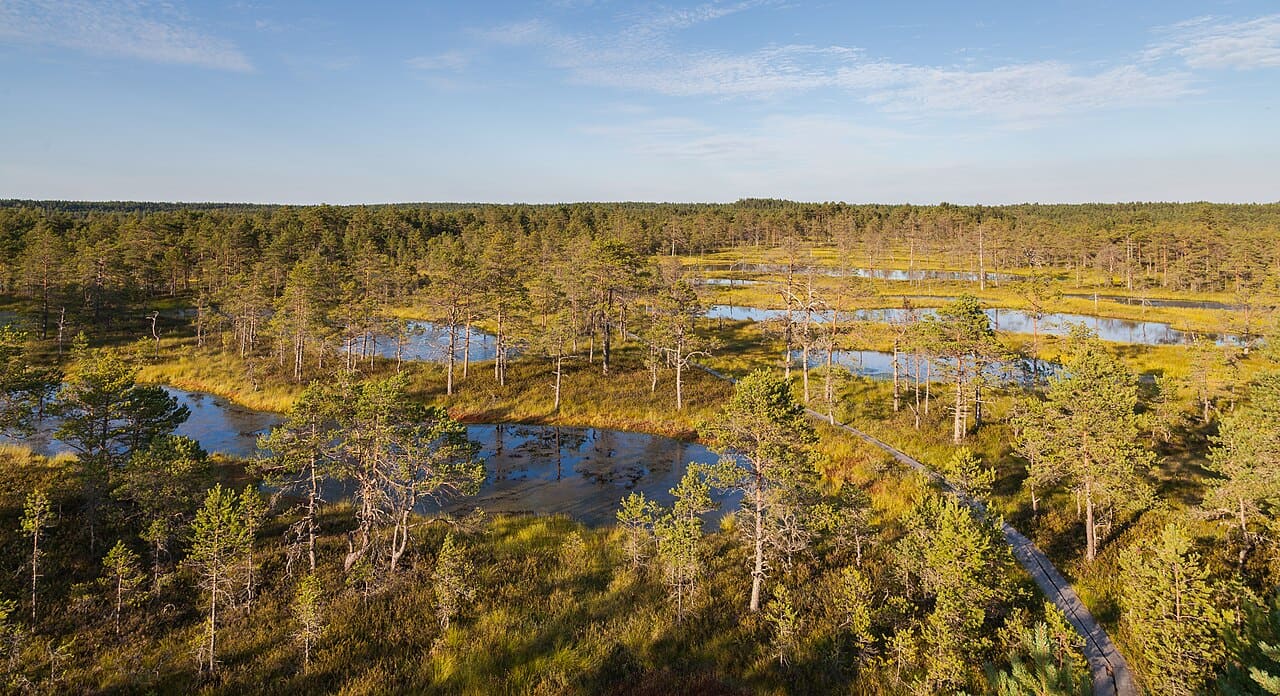
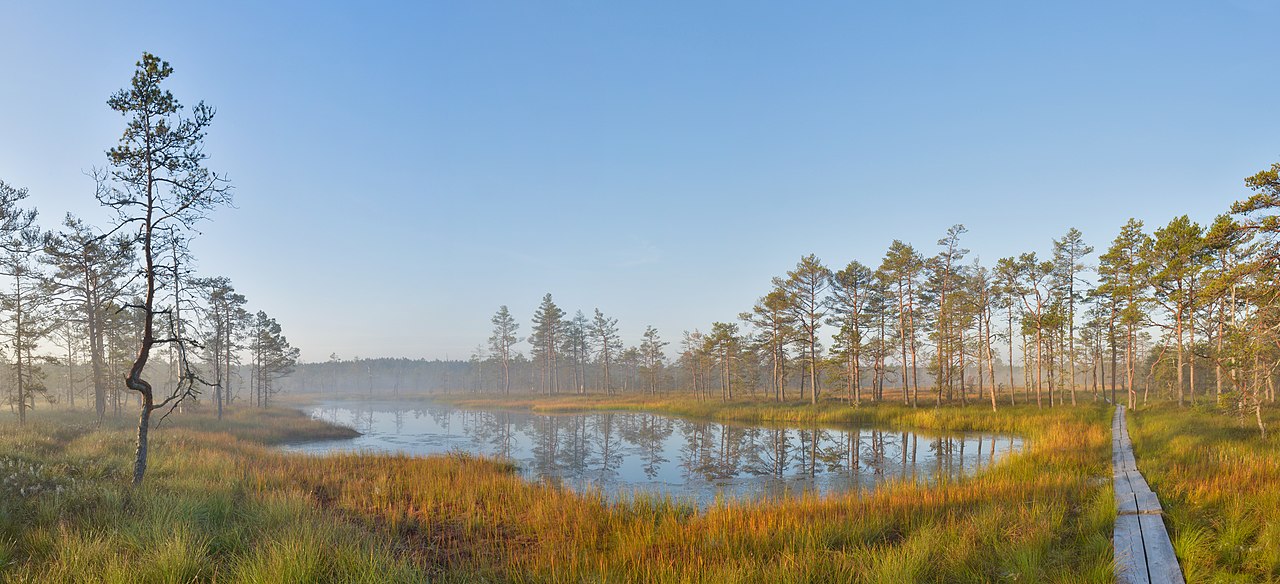
When it was declared in 1971, it was not only Estonia's but the entire Soviet Union's first national park; it can also be read as a quiet way of defending local identity under the cover of nature conservation. Across 747 square kilometers, peat bogs are crossed on wooden boardwalks — the Viru bog walk is the best known. Inside the park are restored Baltic German manor houses such as Palmse and Sagadi, plus old fishing villages on the coast. Bears, lynx, and deer live in the forests.
Quick facts
- Built
- 1 June 1971
- Area
- 748 km²
- Heritage status
- national park
Facts from Wikidata, photos from Wikimedia Commons.
Did you know?
Why does Lahemaa matter?
Founded in 1971, Lahemaa was the first national park in the Soviet Union. Its name means "land of bays", covering four large peninsulas and a deeply indented coast.
Where did the giant boulders come from?
Large granite blocks carried from Finland during the ice age are scattered along the shore. Some are the size of houses, forming one of northern Europe's densest fields of glacial erratics.
What animals live in the park?
Bears, lynx, wolves and moose are all part of its wildlife. Estonia has one of the highest densities of large mammals relative to population in Europe.
Why go?
- To see Estonia's forest, coast, and bog ecosystems
- For a day-trip nature escape from Tallinn
- For walks, scenery, and a calm village atmosphere
Travel tip
Public transport can be limited; renting a car or planning a tour is more comfortable for Lahemaa.