

Haga District
Ideal: Ideal for café culture, local neighborhood atmosphere, and relaxed walks.
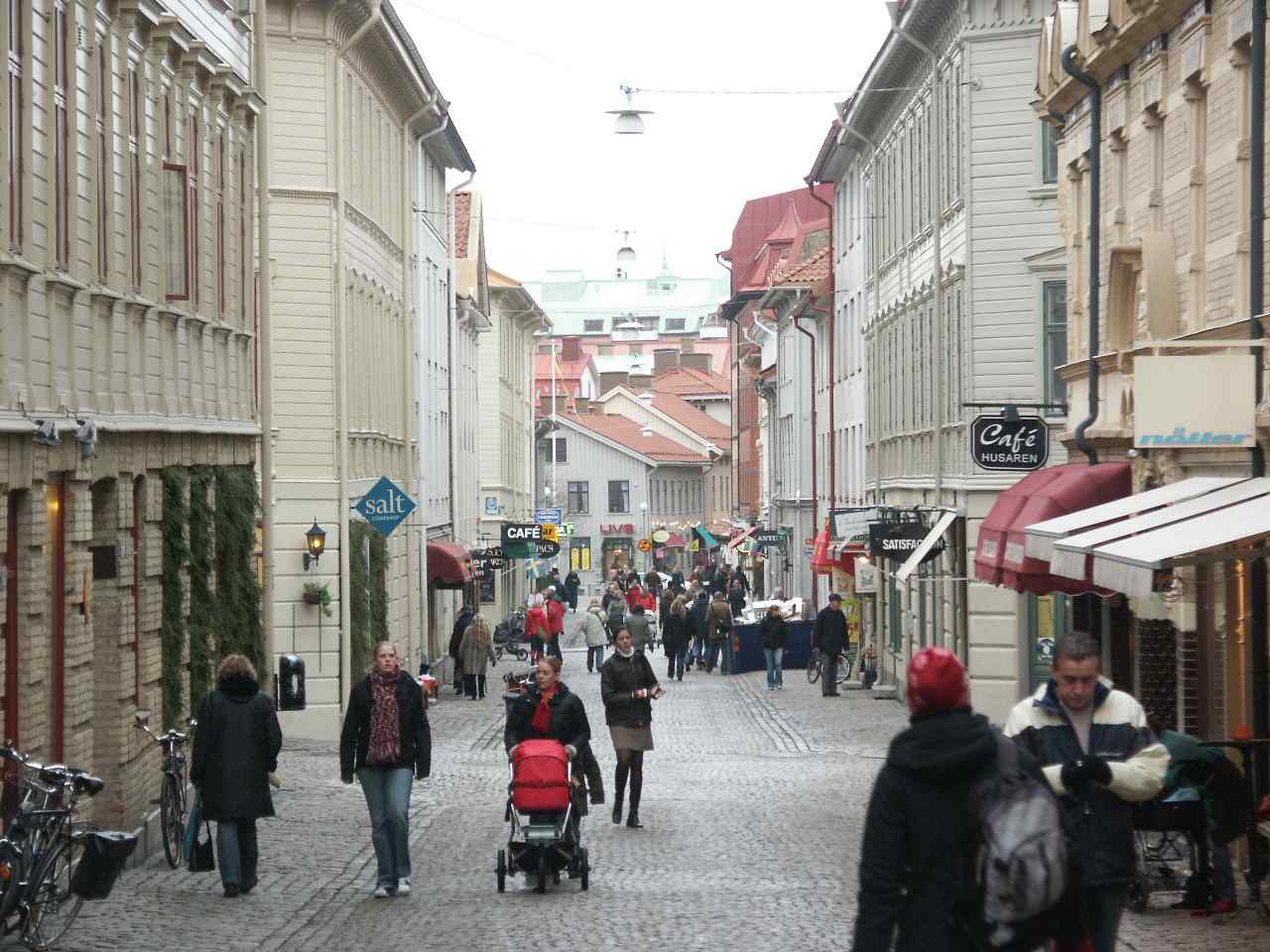
Gothenburg's first suburb, founded in 1648; in the 1970s it was slated for complete demolition under slum-clearance policy, but residents resisted, demolition was cancelled, and restoration followed. The three-storey houses here have stone ground floors and two wooden upper floors: a local workaround because fire regulations banned wooden buildings taller than two storeys. Hagabullar — plate-sized cinnamon buns sold in cafés — are considered the neighborhood's unofficial symbol.
Did you know?
What is Haga's famous pastry?
The hagabulle, an oversized cinnamon bun several times the normal size. It is still baked daily in the district's cafés and is one of Gothenburg's best-known food traditions.
Why are the houses part stone and part wood?
In these "landshövdingehus" the ground floor is stone and the two upper floors timber. Fire regulations banned wooden buildings above three storeys, and the design was devised to work around the rule.
Why was Haga nearly demolished?
In the 1960s the whole district was slated for demolition and redevelopment. A long campaign by residents and activists reversed the decision, and the area was restored in the 1980s.
Why go?
- To see Gothenburg's historic, local neighborhood atmosphere
- For café culture, boutique shops, and quiet streets
- To experience something more local than classic tourist spots
Travel tip
When stopping in Haga, consider trying the cafés known for their large cinnamon buns.