



Gamla Stan
Ideal: Ideal for first-time Stockholm visitors and lovers of history and city walks.
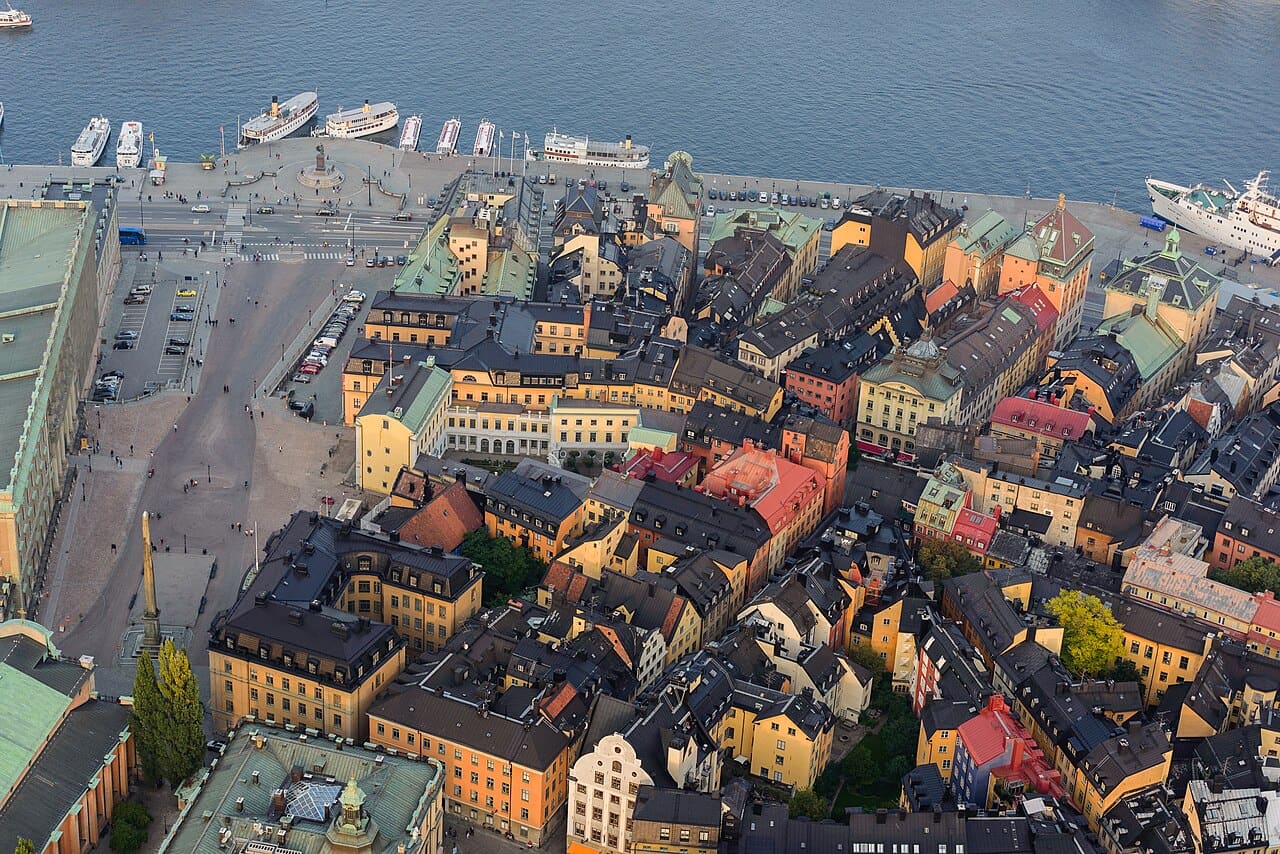
The island where the city was founded in the 13th century; its street pattern has changed little since the Middle Ages. Mårten Trotzigs gränd narrows to 90 centimetres at its tightest point and is Stockholm's narrowest passage. Central Stortorget was the scene of the 1520 Stockholm Bloodbath: the Danish king executed more than eighty Swedish nobles here, and legend says the white stones on the red house façade count the victims. The old stock exchange building now houses the Nobel Museum.
Did you know?
How narrow is Stockholm's narrowest street?
Mårten Trotzigs gränd is just 90 cm at its tightest. The 36-step passage was walled up for years and only reopened in 1945.
What do the white stones on the square's façade mean?
A house on Stortorget carries white stones said to represent those killed in the 1520 Stockholm Bloodbath. Legend holds that one stone is missing, tied to the count of those executed that night.
What is the smallest statue on the island?
The Boy Looking at the Moon is only 15 cm tall. Locals knit tiny hats and scarves for him in winter, and people rub his head for luck.
Why go?
- To see Stockholm's medieval fabric and historic city atmosphere
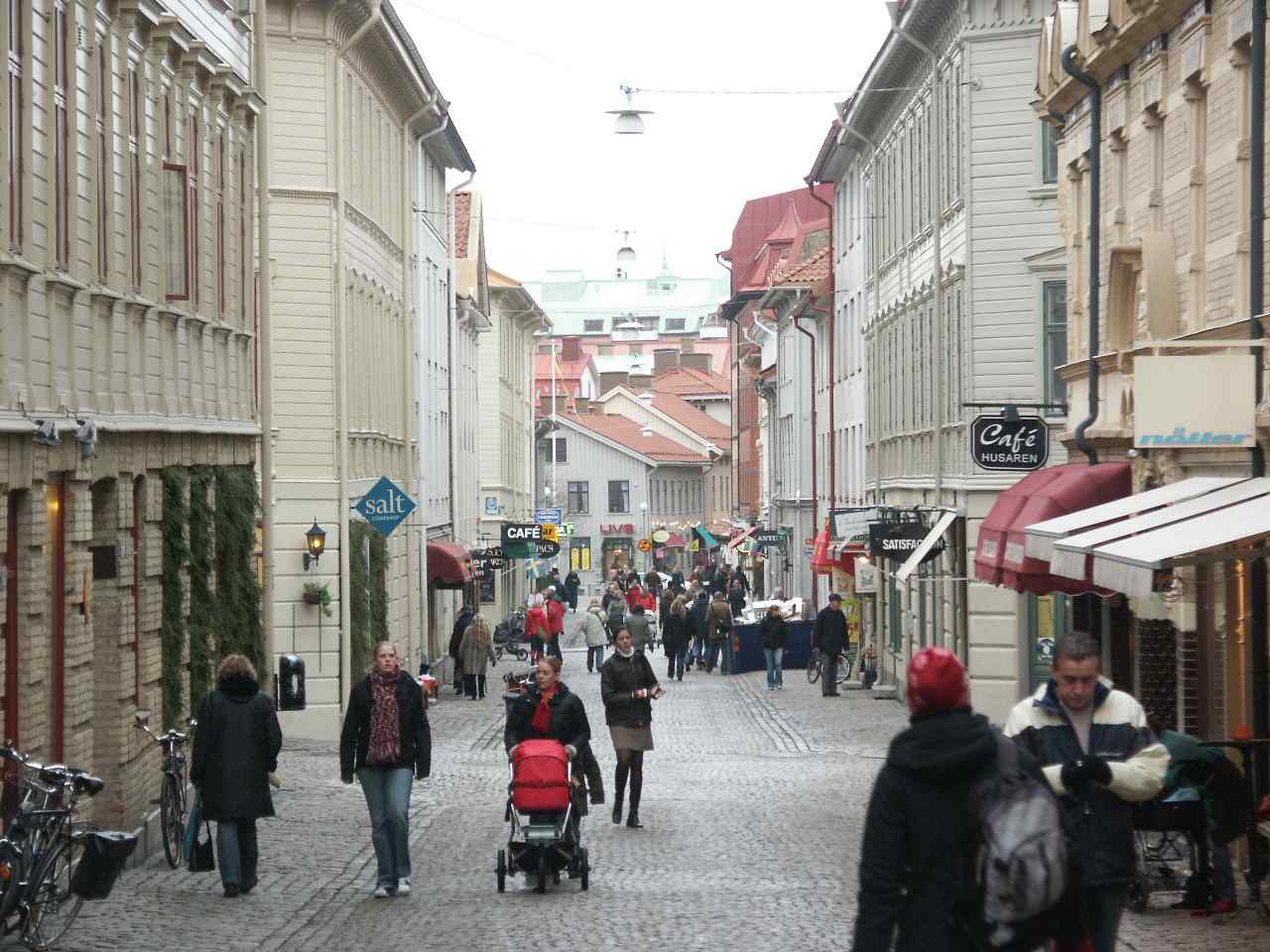
- To walk colorful streets, cafés, and small squares
- Because it connects easily to the Royal Palace and central routes
Travel tip
It is calmer early in the morning; narrow streets are more enjoyable without crowds.