

Costa Brava
Ideal: Ideal for sea, summer holidays, seaside towns, and nature scenery.
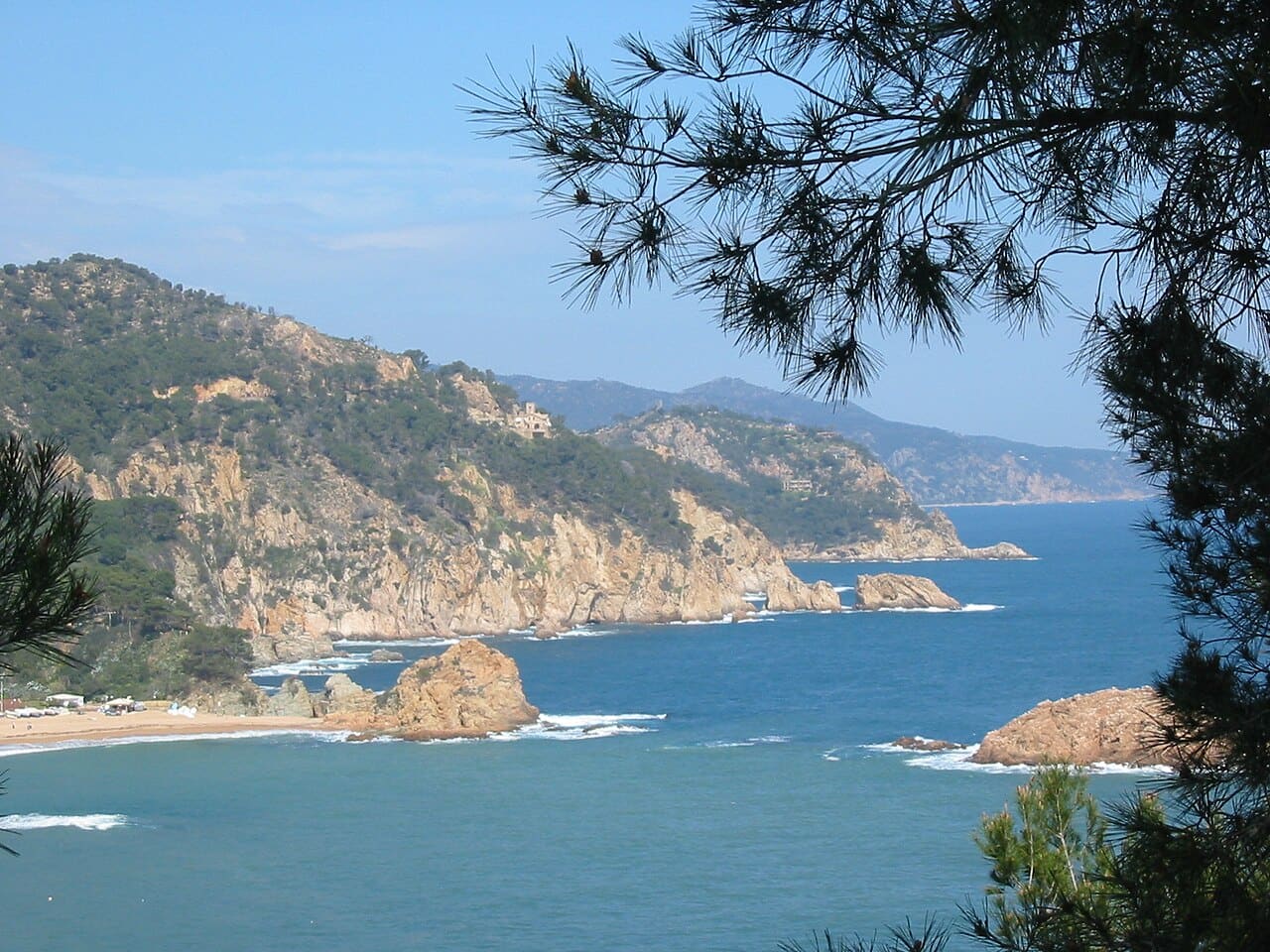
Journalist Ferran Agulló named the 200-kilometre coast from Blanes to the French border the 'wild coast' in 1908; indented cliffs and pine forests dominate more than flat beaches. The Camí de Ronda paths walked between coves were originally opened for coastal patrols tracking smugglers. Dalí's house at Portlligat beside Cadaqués stands as a museum. Tossa de Mar is the only medieval walled town still standing on the Catalan coast.
Did you know?
What does the name Costa Brava mean?
It means "wild coast", coined by a journalist in 1908. The name captures the rugged, pine-covered rocky shoreline here, in contrast to the long sandy beaches further south.
Can you explore the coast on foot?
Yes. The historic Camins de Ronda paths were once used to watch for smugglers; today they link cove after cove, reaching beaches that cars cannot get to.
What is Salvador Dalí's connection to this coast?
Dalí spent his childhood in Cadaqués and worked for much of his life at his house in Portlligat. The strange rock formations in his paintings are not invented — they are the real rocks of Cap de Creus.
Why go?
- To see one of Spain's most beautiful Mediterranean coastlines
- To explore rocky coves, clear sea, and seaside towns
- To add a nature and sea break to a Barcelona trip
Travel tip
Popular coves can be crowded in summer; go early or choose smaller coves.