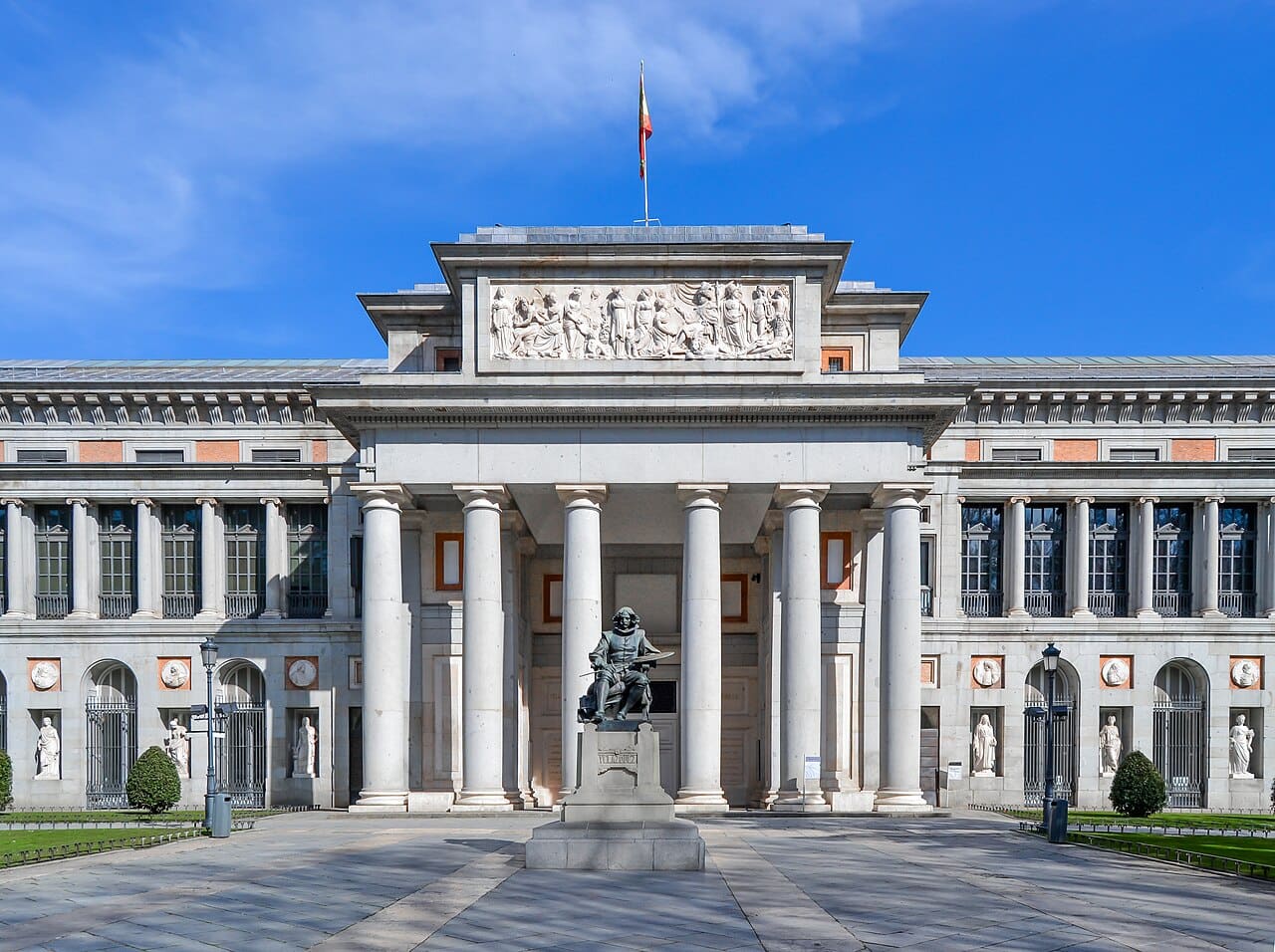


Prado Museum
Ideal: Ideal for art, museums, history, and Madrid culture routes.
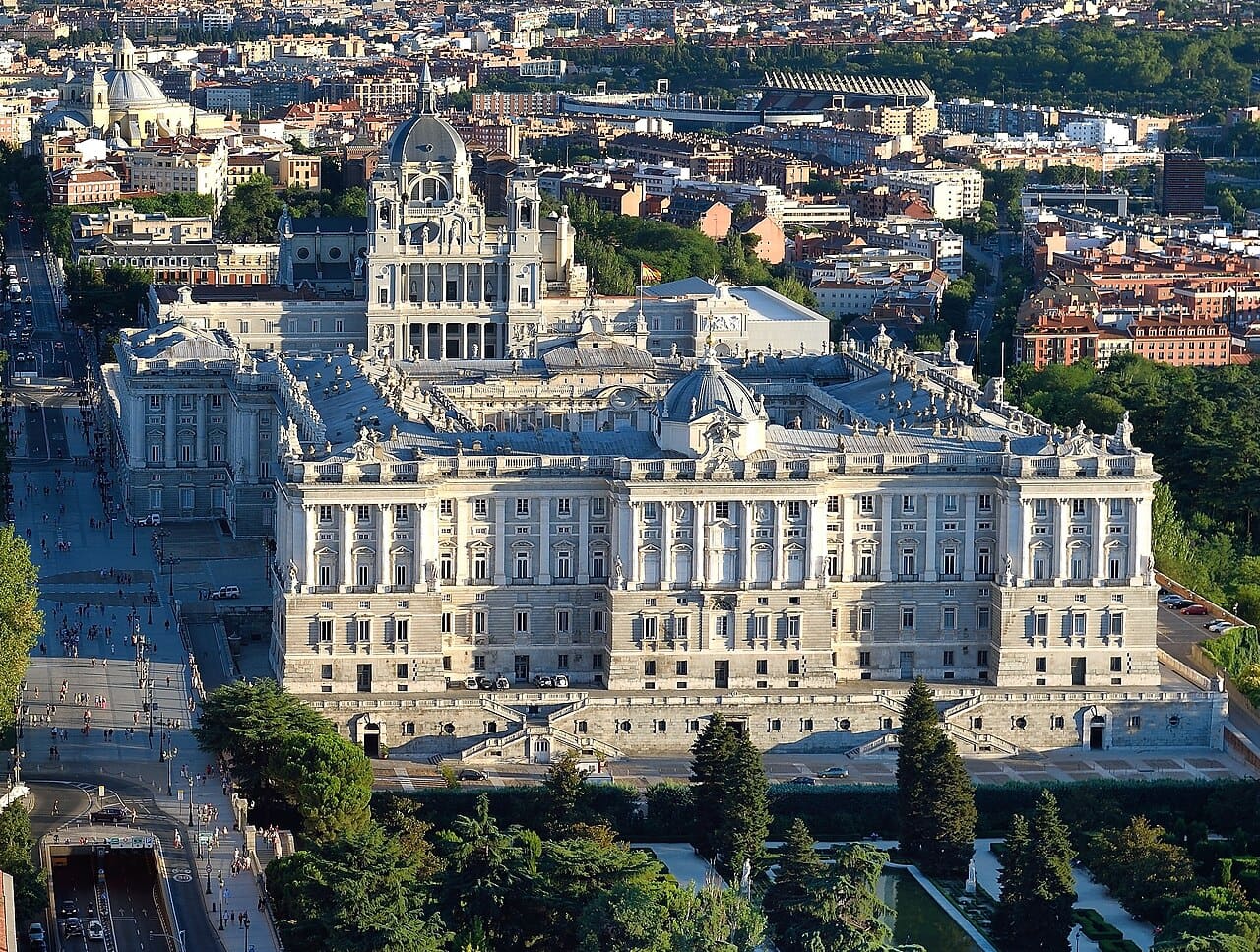
Opened in 1819; of more than 8,000 paintings in the collection only about 1,300 can be displayed at once. Velázquez's Las Meninas from 1656 is one of the most debated works in painting history for placing the viewer inside the picture. Goya's Black Paintings were not originally canvases: painted directly on the walls of the house where he lived deaf and alone, later transferred to canvas. During the Civil War the collection was moved first to Valencia, then Geneva, to protect it from bombing.
Quick facts
- Built
- 1819
- Opened
- 19 November 1819
- Architect
- Juan de Villanueva
- Area
- 41,995 m²
- Annual visitors
- 1.2 million
- Heritage status
- bien de interés cultural
Facts from Wikidata, photos from Wikimedia Commons.
Did you know?
Was the Prado designed as a museum?
No. The building was planned in 1785 as a natural-history cabinet. The Napoleonic wars derailed that, and in 1819 it opened instead as a museum for the royal collection.
Why is Las Meninas so endlessly discussed?
Velázquez paints himself in the act of painting, and the king and queen appear in a mirror on the back wall. Where exactly the viewer stands — in the sitters' place or the audience's — has been argued over for 350 years.
Where did Goya's "Black Paintings" come from?
Goya painted these bleak scenes directly onto the walls of his own house, never for exhibition. After his death the murals were transferred to canvas and brought to the Prado — none was made to be sold.
Why go?
- To see one of the most important collections of Spanish and European art
- To examine works by masters such as Goya and Velázquez up close
- To add a strong classic museum experience to Madrid's culture route
Travel tip
The museum is large — choose works you want to see in advance or you'll tire easily inside.