



Auschwitz Memorial
Ideal: An essential stop for those interested in history, memorial sites, and World War II.
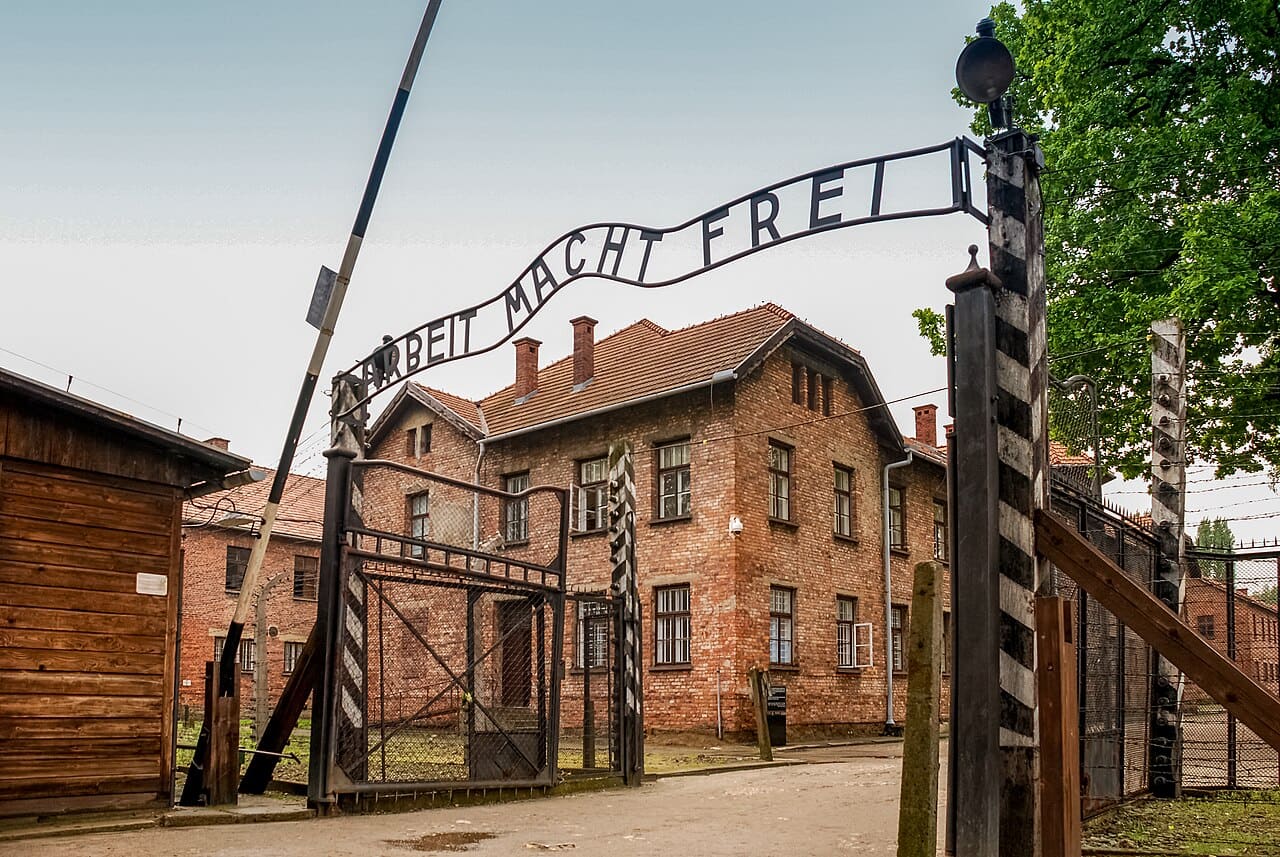
The camp opened in 1940, Birkenau two kilometers away was added in 1941, and roughly 1.1 million people were killed here — about 90 percent of them Jewish. The Red Army entered the camp on 27 January 1945, a date now marked as International Holocaust Remembrance Day. The site became a museum in 1947 and joined the UNESCO list in 1979. Entry is free, but visitor numbers are capped so advance time-slot booking is required; during peak hours only guided entry is permitted.
Quick facts
- Built
- 2 July 1947
- Opened
- 2 July 1947
- Area
- 192 hectares
- Annual visitors
- 1.4 million
- Heritage status
- part of UNESCO World Heritage Site
Facts from Wikidata, photos from Wikimedia Commons.
Did you know?
How should you prepare for a visit?
Entry is free but booking is compulsory and slots fill weeks ahead in peak season. A visit takes at least 3.5 hours, is not recommended for children under 14, and silence is expected on site.
Why is the site preserved as it is?
The Polish parliament declared it a memorial and museum in 1947. The structures are not restored but only stabilised against decay — the aim is to leave the place as it was found.
Are there two separate sites?
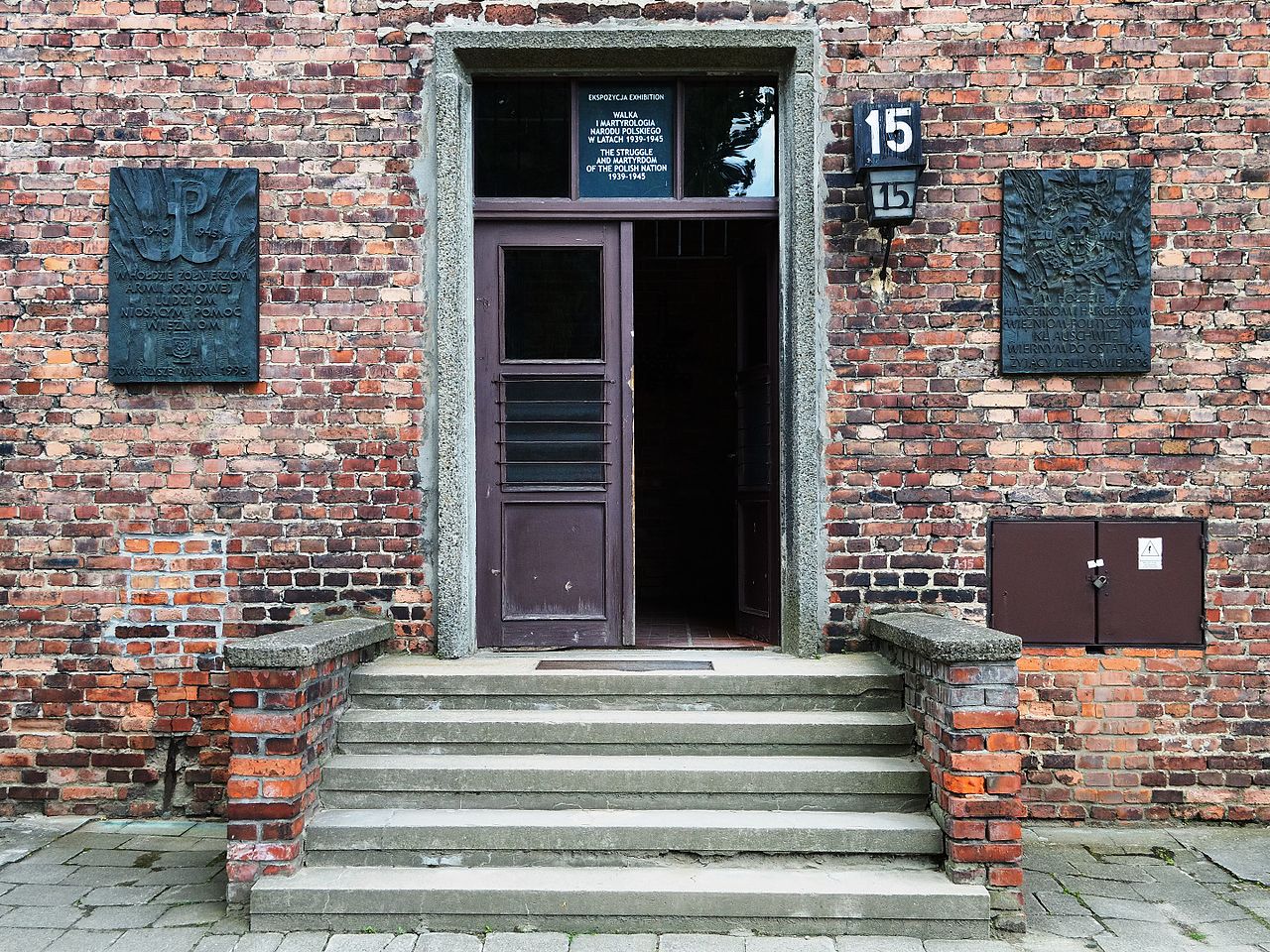
Yes. Auschwitz I holds the brick blocks and museum exhibitions, while Auschwitz II-Birkenau, 3 km away, contains the far larger camp grounds and the railway ramp. A full visit covers both.
Why go?
- To understand World War II and Holocaust history on site
- To visit one of humanity's most important memorial landscapes
- To engage with history in depth rather than at surface level
Travel tip
Do not rush the visit and plan knowing it can be emotionally heavy; a guided tour makes the experience easier to follow.