

Heroes' Square
Ideal: Ideal for history, monumental squares, and broad city routes.
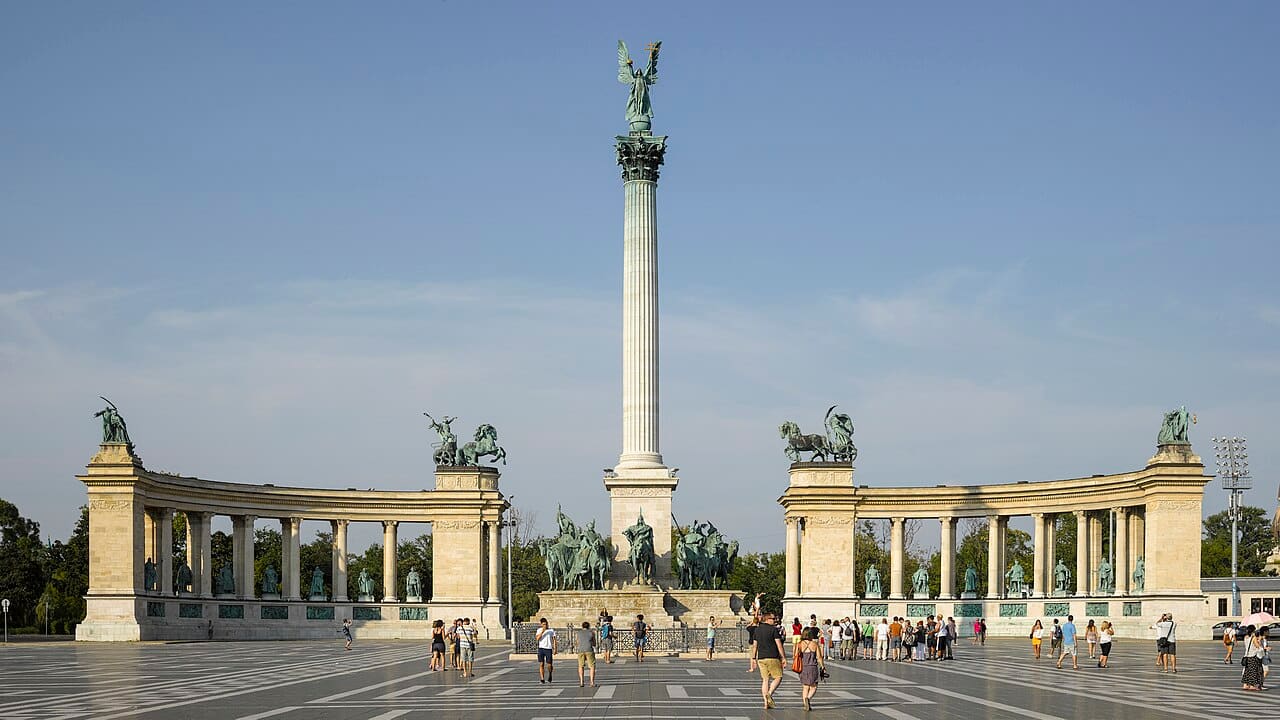
The square was laid out in 1896 for the thousandth anniversary of Hungarian settlement in the basin. Archangel Gabriel stands atop the central column, with fourteen statues in the two colonnades — but not all are original: the colonnades initially held Habsburg rulers, removed after 1945 and replaced by figures from Hungary's struggle for freedom. No one lies beneath the central stone; the empty tomb is a monument to unknown soldiers. Andrássy Avenue ends here and opens into the city park.
Did you know?
Why were some statues in the square replaced?
The last five figures of the right colonnade were originally Habsburg rulers. After 1945 they were removed and replaced with leaders of Hungary's independence struggles.
What makes the metro under the square special?
The Millennium Underground opened in 1896 and is continental Europe's oldest underground line after London's. It is still in service and UNESCO-listed.
Why was the square built in 1896?
For the millennium of the Magyar settlement of the Carpathian Basin. The same celebrations produced the metro, Vajdahunyad Castle and many of the city's monuments.
Why go?
- To see one of Hungary's national historical symbols
- For an impressive stop among a broad square, monuments, and statues
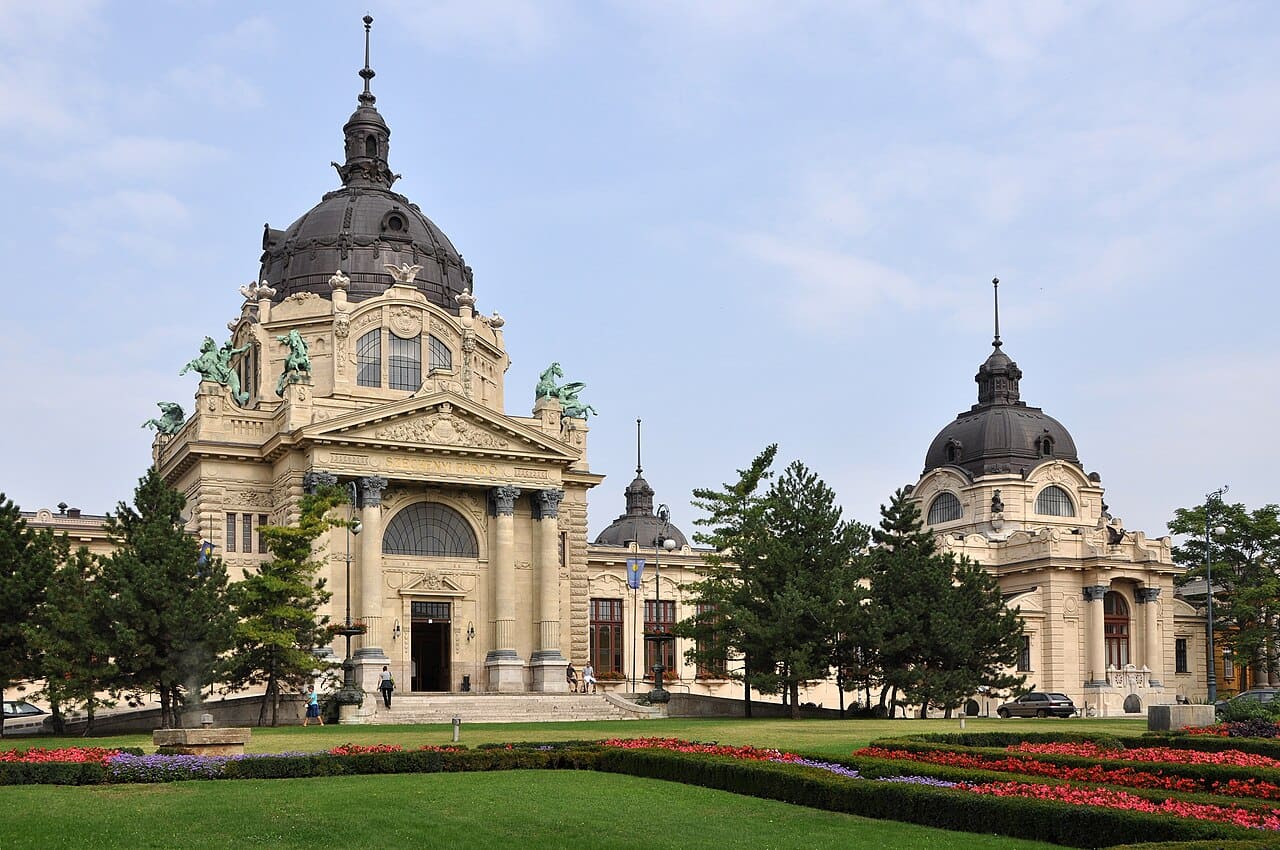
- Because it combines easily with Városliget and Széchenyi Baths
Travel tip
It makes most sense to put this on the same day as Széchenyi Baths and the city park.