

Buda Castle
Ideal: Ideal for history, viewpoints, and city walks.
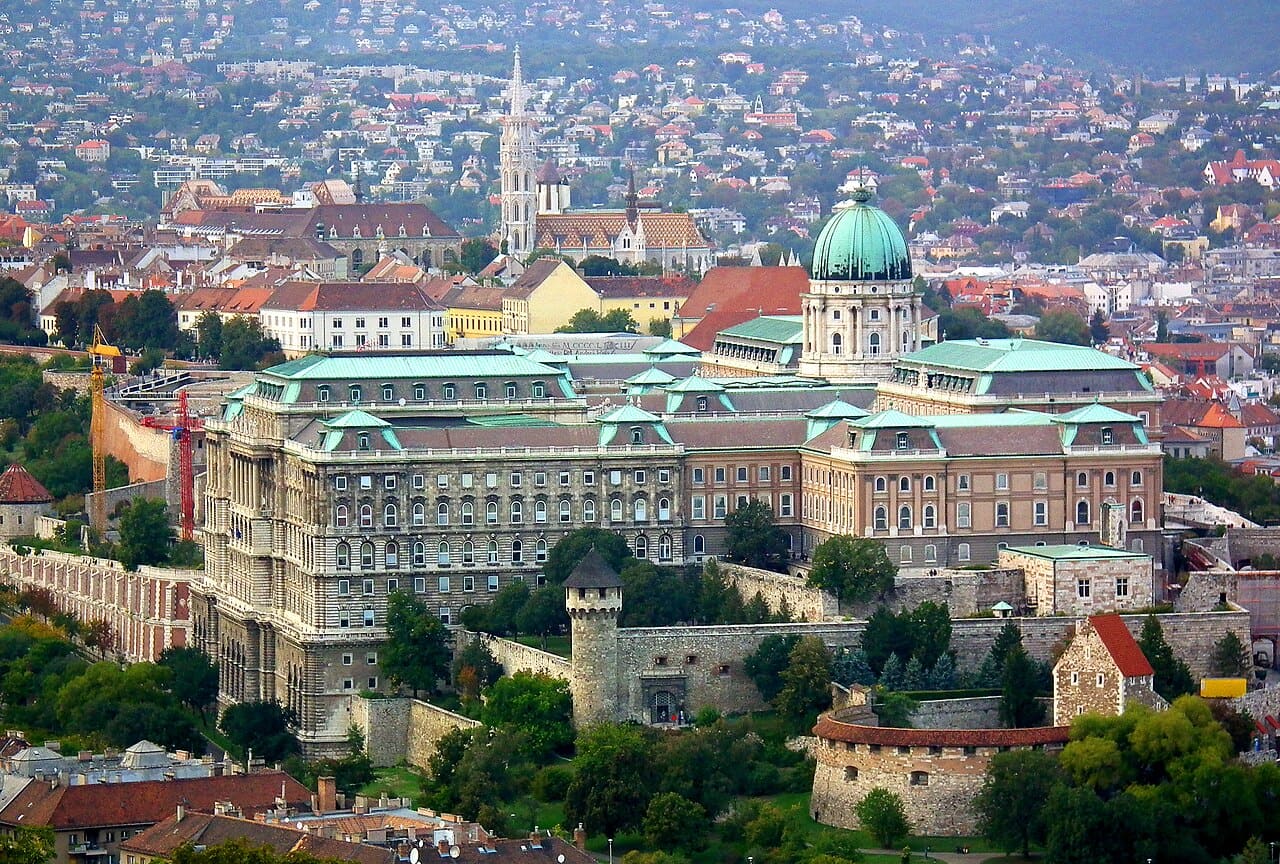
The first castle on the hill was founded in 1265, but today's baroque palace is largely 18th century; the structure was almost completely destroyed and rebuilt because it was the Germans' last stronghold during the 1944–45 siege. As rubble was cleared, medieval layers emerged, so Gothic rooms are now visited beneath baroque halls. The hill is hollowed by natural caves and tunnel networks; this labyrinth served as shelter and military hospital during the war. You reach the top on the Budavári Sikló funicular, running since 1870.
Quick facts
- Architect
- Jean-Nicolas Jadot de Ville-Issey
- Architectural style
- Gothic architecture
- Area
- 4.7 km²
- Heritage status
- World Heritage Site
Facts from Wikidata, photos from Wikimedia Commons.
Did you know?
What lies beneath the castle?
Under the castle hill runs an extensive network of caves and tunnels carved by natural thermal springs. The labyrinth served as a shelter and military hospital during the Second World War.
Which period does the present palace date from?
The medieval palace was destroyed in the siege of 1686; most of what stands today comes from the 19th century and post-war reconstruction. Medieval remains are still visible in the foundations and gardens.
How do you get up to the castle hill?
The Budavári Sikló funicular from 1870 still runs and is one of the world's oldest. Destroyed in the war, it reopened in 1986 in its original form.
Why go?
- To explore Budapest's historic castle district
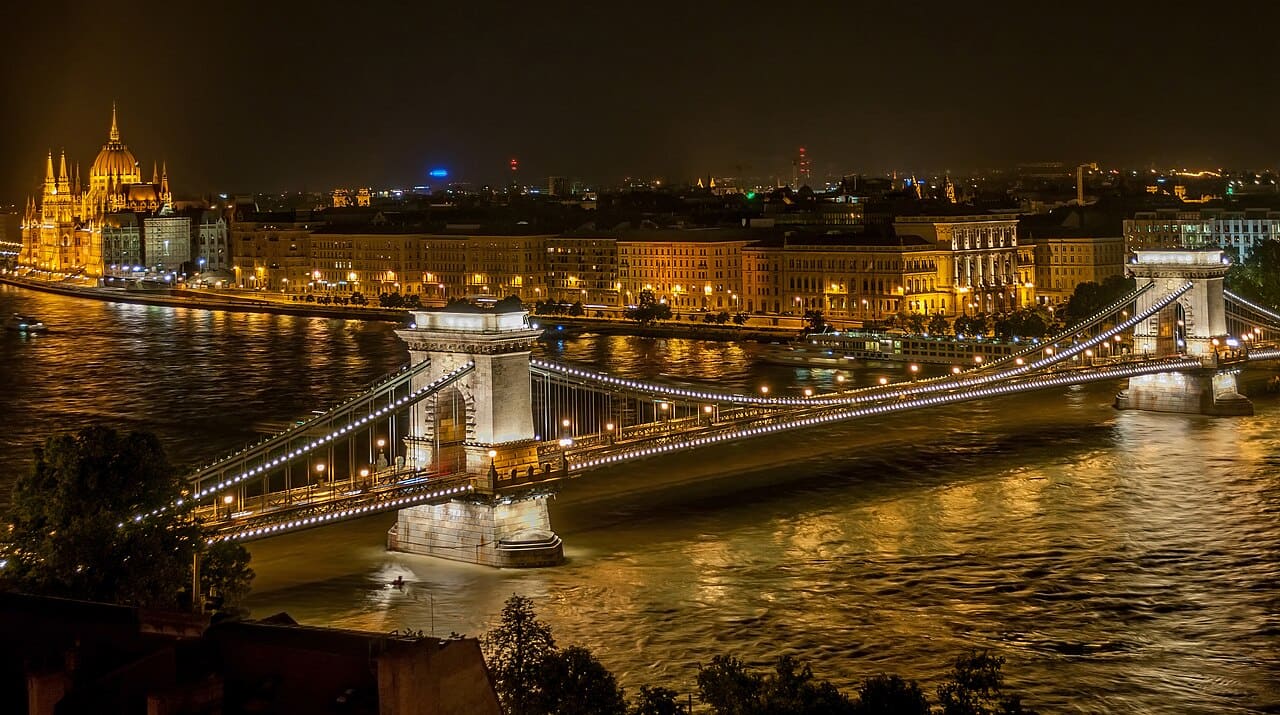
- For panoramas of the Danube, Parliament, and the city
- To combine museums, courtyards, and historic streets in one route
Travel tip
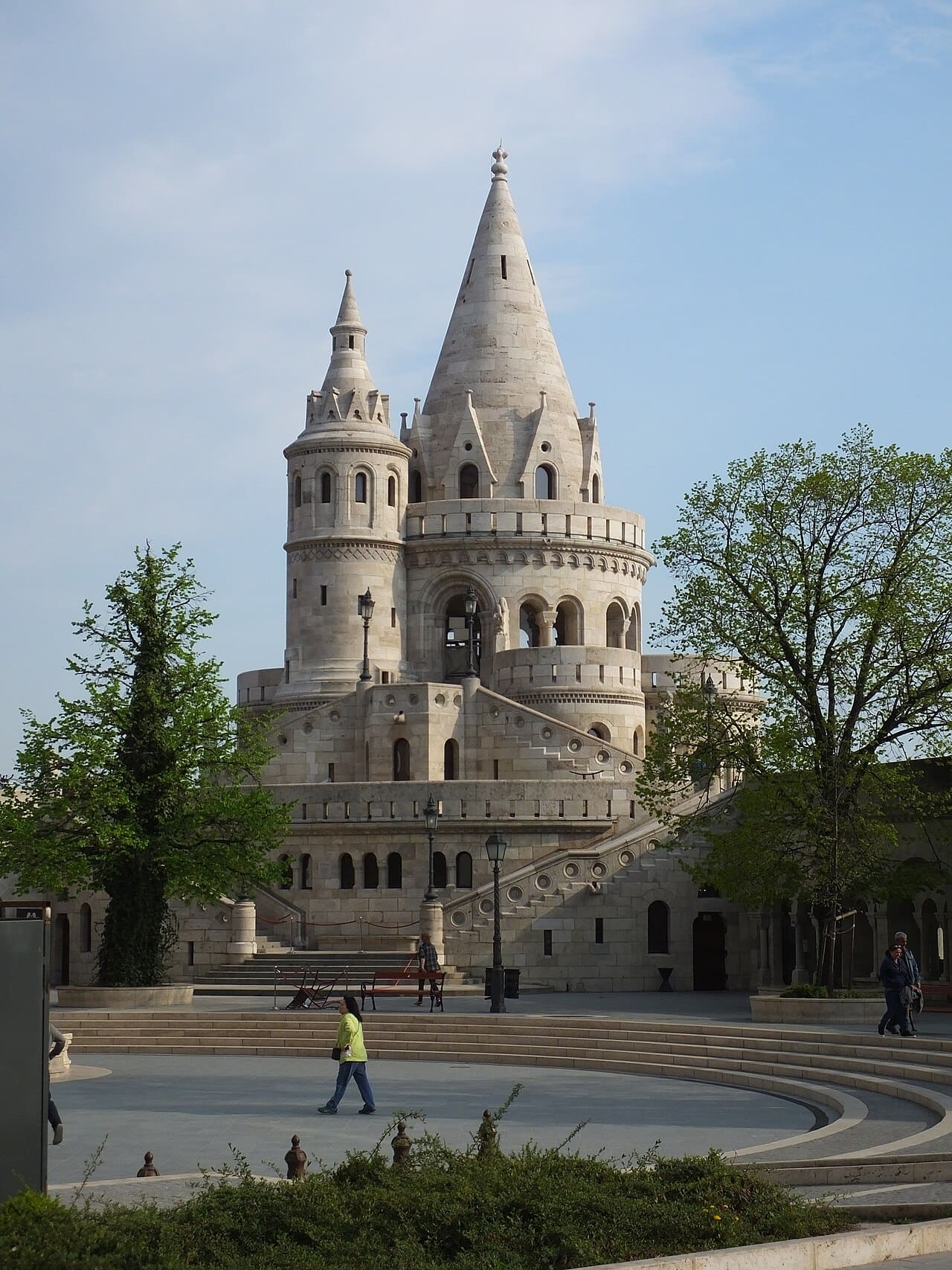
Add the castle area to the same walking route as Fisherman's Bastion and Matthias Church.