Travel guide
Rome travel guide: the ancient centre, the Vatican and the neighbourhoods
The way to enjoy Rome is not a long list but three walking districts: the ancient centre, the Vatican side and the far bank of the Tiber.
FlyVentis editör ekibi tarafından hazırlanmış, seyahat ve etkinlik bilgileri düzenli olarak gözden geçirilen rehber.
Rome looks small on a map, but it is a walking city and those walks are cobbled, sloped and usually in full sun. The best thing to do on a first visit is to split the city into **districts** rather than days: the ancient centre, the Vatican side and the far bank of the Tiber. Putting two distant districts in the same day is the fastest way to end up exhausted instead of charmed.
Three full days cover the main sites at a comfortable pace; four leave room to linger in the museums. The district logic in 48 hours in a city applies here too, and the Italy page is a good starting point if you want to see more of the country.
How many days, and where to stay
Fewer than three nights makes for a surface visit once you count queueing at ticketed sites. For accommodation, Monti and Celio are within walking distance of the ancient centre and quiet in the evening; Prati sits near the Vatican and is tidier, with better everyday shops. The area around Termini is practical for transport but don't expect atmosphere.
When choosing an area, look at the metro line rather than straight-line distance: Rome's metro has only two main lines and most places are reached on foot or by bus. The checklist in where to stay in a city helps settle the decision.
| District | Strength | Watch out for |
|---|---|---|
| Monti | Walkable to the ancient centre, lively evenings | Small hotels book out fast |
| Prati | Close to the Vatican, calm and orderly | Needs metro or bus to the ancient centre |
| Trastevere | The strongest evening atmosphere | Can be noisy at night |
| Around Termini | Airport train and metro junction | Little charm of its own |
Day one: the ancient centre
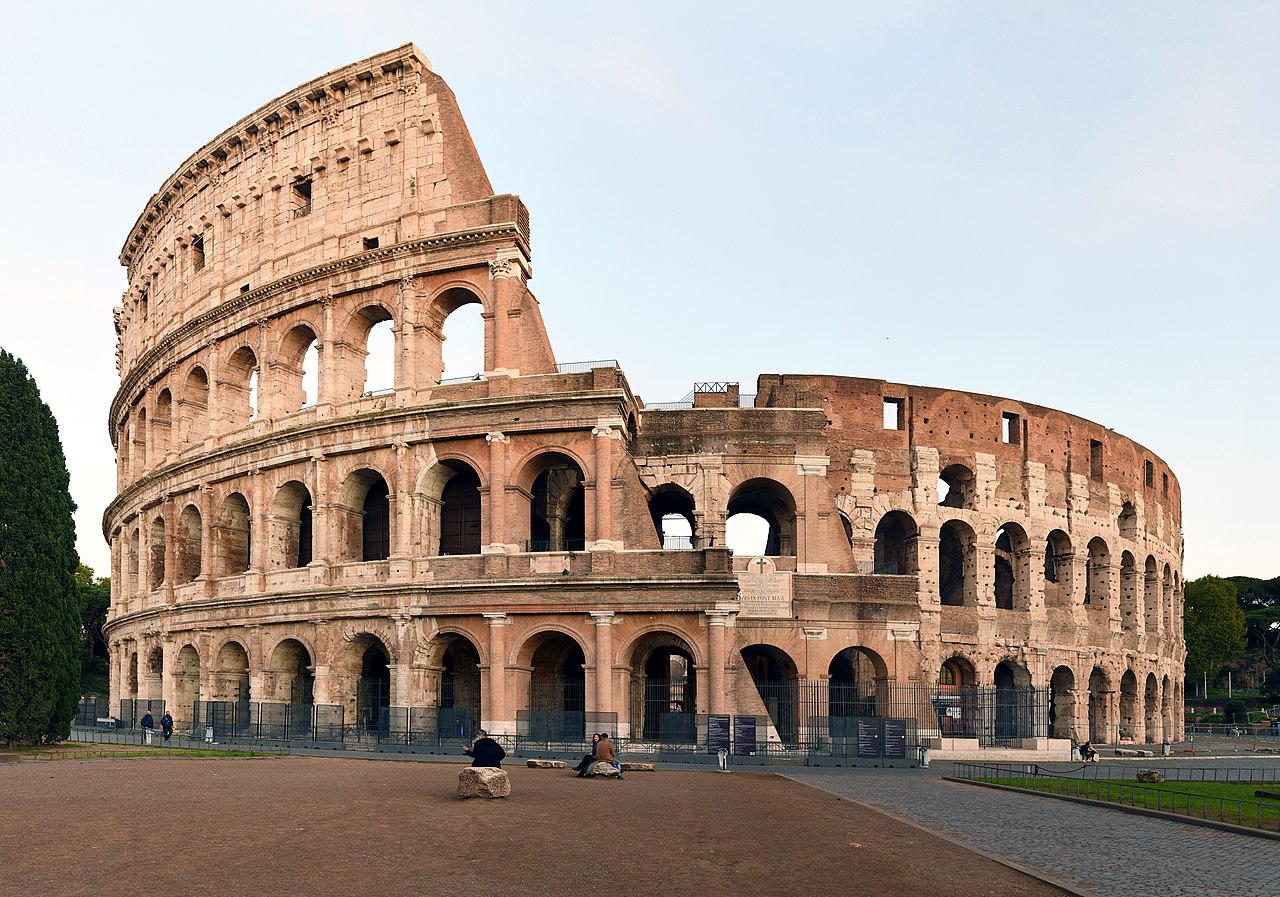
Kolezyum, the Roman Forum and Palatine Hill work as a single ticketed area; an early morning slot is the easiest way to avoid both the heat and the crowds. From there you can walk to Piazza Venezia and on to the Pantheon and Trevi Çeşmesi — this whole stretch is pedestrian and it is Rome at its busiest.
Seeing Trevi in daylight and again after dark is worth it: the same square reads as two different cities. Finish the evening around the Spanish Steps and walk up to Piazza del Popolo.
- Book timed entry for ticketed sites; a missed slot is rarely refunded.
- There is little shade in the ancient area — a hat, water and comfortable shoes count as mandatory.
- In summer, move the midday hours indoors; city trips in hot weather explains that rhythm.
- In the crowded squares, the reflexes from avoiding tourist scams are useful.
Day two: the Vatican side
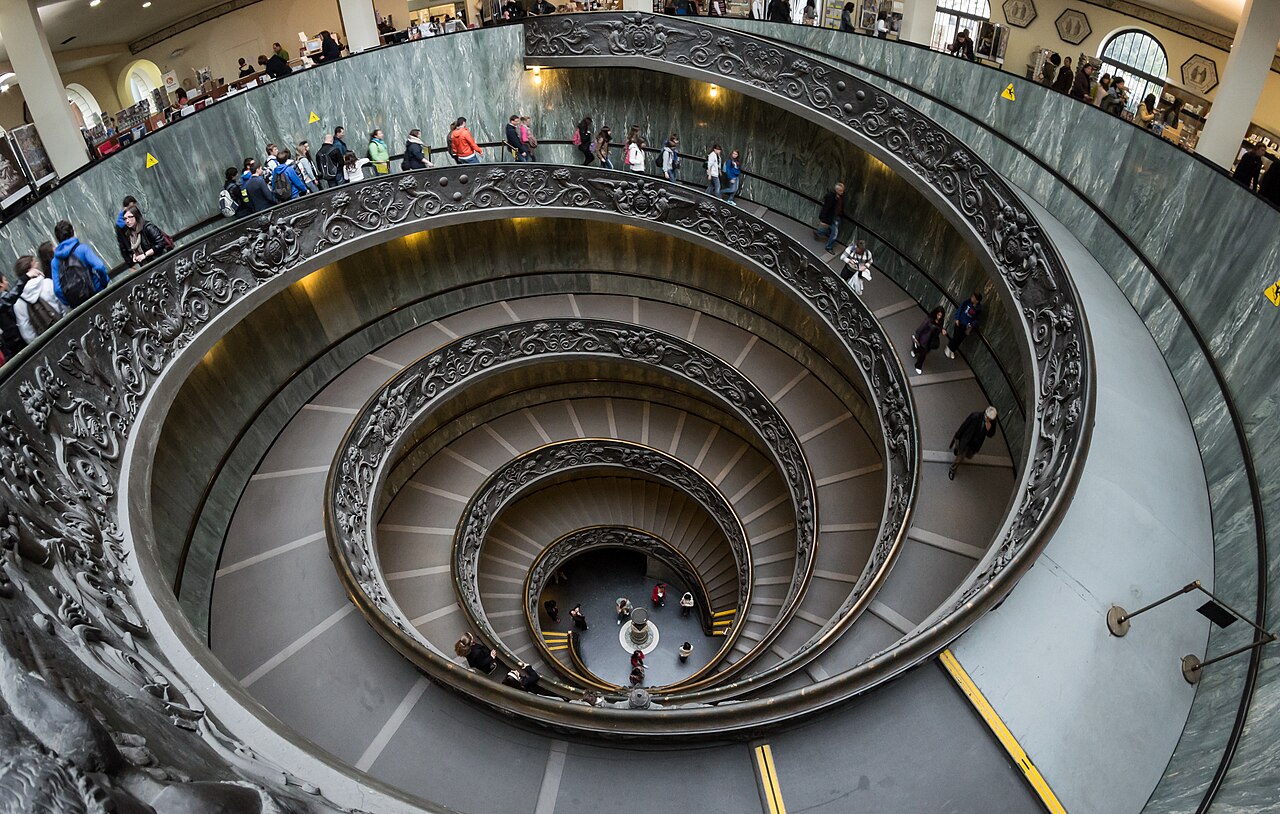
Booking ahead for the Vatikan Müzeleri and the Sistine Chapel is effectively mandatory; the walk-up queue can swallow hours in season. Finishing the museums early and moving to St Peter's Basilica before noon is the most efficient order — the basilica has its own separate security queue.
After the Vatican, Castel Sant'Angelo and a walk along the Tiber round the day off naturally. Lunch on the Prati side is the easiest way to step off the tourist axis.
Day three: Trastevere and across the river
Trastevere is the most walked and least planned part of Rome. The narrow streets around Santa Maria in Trastevere are at their best in the late afternoon and evening. If you have the energy, climb the Gianicolo for the view — Rome's best panorama, and free.
The same day you can cross to Testaccio for a more local food culture. It is only a few stops from the tourist centre but the pace is entirely different.
Getting around: from the airport and inside the city
The direct train from Fiumicino to Termini and the bus link from Ciampino are the most predictable options. You can compare the criteria in how to choose an airport transfer. Inside the city the metro is only two lines; buses and walking do the real work.
Rome is a busy route all year. For the pricing window see when to buy a plane ticket, and for connecting options the connecting flights guide.
- Buy and validate your transport ticket before boarding; checks are strict.
- Cobbled streets are hard on wheeled luggage — packing a capsule suitcase pays off here.
- You can refill your bottle at the street fountains (nasoni); it is drinking water.
- For the card-versus-cash balance, see paying by card and cash abroad.
Building Rome into a route
Rome fills a long weekend on its own, but if you want to see Italy the high-speed train connects it easily to Florence and Venice. For a ready plan see the classic Italy route, and for how rail tickets work the guide to train travel in Europe. To add France, the Italy-France route gives you a skeleton.
Keep planning
Frequently asked questions
How many days do I need in Rome?
Three full days cover the ancient centre, the Vatican and Trastevere at a comfortable pace. Four is more balanced if you don't want to rush the museums.
Do I have to book the Vatican Museums in advance?
In practice, yes. The walk-up queue gets very long in season; a timed ticket protects both your place and your day's plan.
Which district should I stay in?
Monti and Celio if you want to walk to the ancient centre, Prati for a Vatican-focused plan, Trastevere for evening atmosphere.
Is Rome's metro enough?
The metro has only two main lines and most of the historic centre is walked. The bus network fills the gaps but can be slowed by traffic.