Travel guide
A 48-hour city break: how to get the most out of a short trip
A well-built two-day city break can be half as satisfying as a week-long trip. A badly built one just leaves you tired.
FlyVentis editör ekibi tarafından hazırlanmış, seyahat ve etkinlik bilgileri düzenli olarak gözden geçirilen rehber.
A city break is one of the most efficient ways to travel in Europe: a two-night escape fits around a single day off, and planned well it's more than enough to get a feel for a city's character. The problem is that most people try to squeeze a week's list into two days, and end up neither having seen the place nor having rested.
The approach that works is simpler: pick three priorities for two days and leave the rest to chance. Those three are usually a major museum or landmark, a neighbourhood walk, and one local experience (a market, breakfast culture, an evening plan).
Cities that work as a city break
Not every city fits 48 hours. Places with a walkable centre, an easy airport link and sights clustered close together are the ones this format suits.
| City | Why it works | Airport to centre |
|---|---|---|
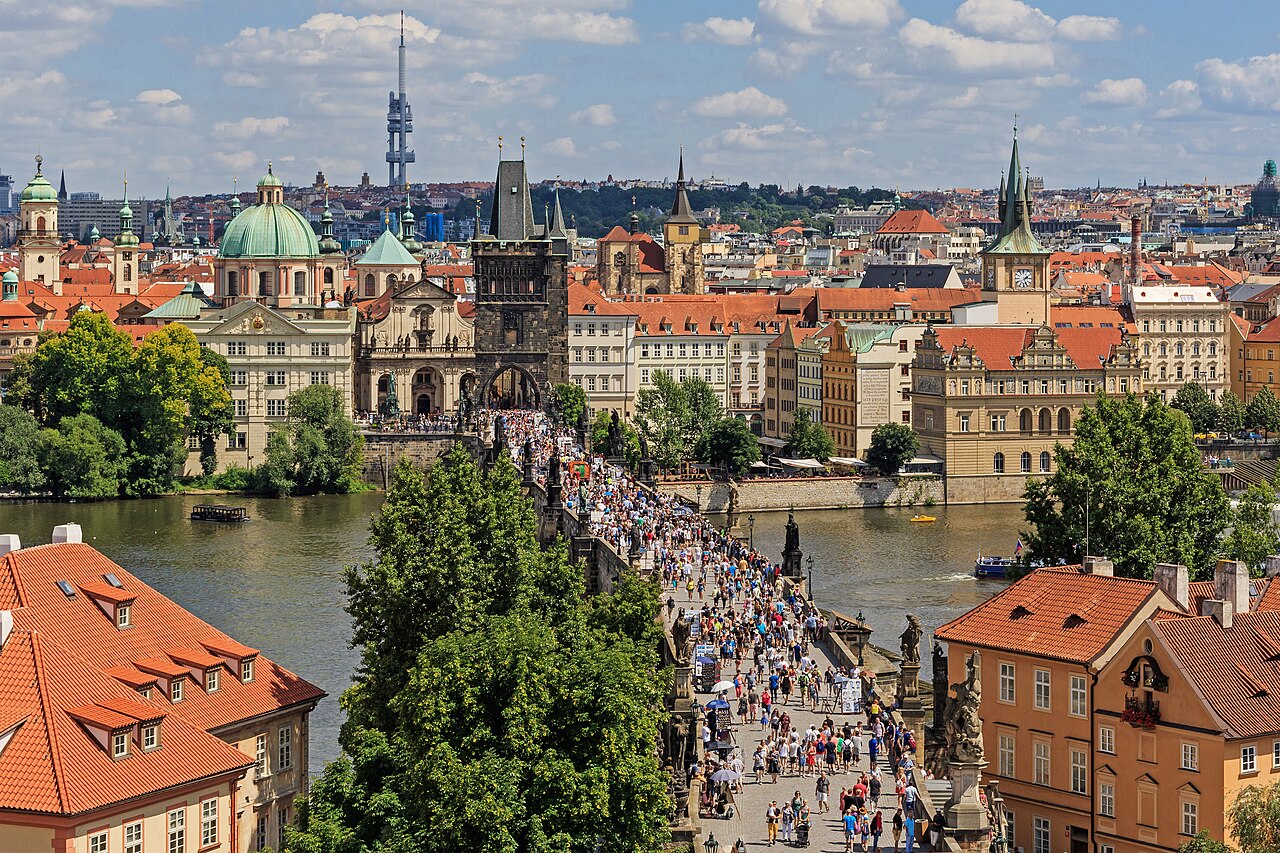
| Prague | Walkable centre, compact historic core | Around 40 minutes |
| Amsterdam | Train runs straight into the centre, museums side by side | Around 20 minutes |
| Budapest | Good value, both banks walkable | Around 45 minutes |
| Vienna | Excellent public transport, a dense cultural programme | Around 20 minutes |
| Lisbon | Compact centre, a strong food-and-drink scene | Around 25 minutes |
| Copenhagen | Small centre, everywhere reachable by bike | Around 15 minutes |
A 48-hour skeleton, hour by hour
Day one
- Morning: airport to the centre, drop bags at the hotel (you can leave luggage even if the room isn't ready).
- Until lunch: your biggest priority — the museum or landmark. This is when your energy is highest.
- Afternoon: an unplanned walk through the historic centre, and a coffee stop.
- Late afternoon: a viewpoint or the riverbank; this is where the city's geography clicks.
- Evening: dinner in a local neighbourhood. One street back from the main square is usually both cheaper and better.
Day two
- Early morning: get your second priority done before the crowds arrive.
- Late breakfast: local breakfast culture — one of the best experiences in most cities.
- Afternoon: a neighbourhood with a different character. If day one was the historic centre, switch to the modern or bohemian side.
- Evening: an early meal and a short walk. Don't stay out late if you have a flight the next day.
Day three (half a day)
On a two-night break, day three is usually a half day. The most useful way to spend it is leaving bags at the hotel and doing a market, a park or a single small museum — not a big plan. Leave at least a three-hour buffer before you head to the airport.
The six most common mistakes on a short trip
- Planning more than three major stops a day. After the third, none of them stick.
- Choosing a hotel on price alone. A cheap hotel 40 minutes from the centre burns four hours of a two-day trip on the road.
- Adding a day trip. Leaving the city on a two-day break means you haven't seen the city at all.
- Leaving anything that needs a booking until the last day. If timed tickets are sold out, the plan collapses.
- Putting the return flight too early. Turning the last morning into an airport scramble kills the trip.
- Going on a Monday. Plenty of European museums are closed; on a two-day plan that single day is a big loss.
Pairing a city break with an event
The best version of a two-day escape has an event on one of the evenings. A concert, an opera, a league match or an exhibition opening gives the break both a backbone and a story. Days for sightseeing, one evening for the event, and two days feel much fuller than you'd expect.
In practice it's easier to work backwards: look at what's on in which city that weekend, then pick the city. That way you settle both the event and the destination in one go.
Plan your city break
Frequently asked questions
How many places can you see on a two-day city break?
Plan no more than three major stops a day. One big museum or landmark, a neighbourhood walk and one local experience is the balance that fills two days without wearing you out.
Which cities work best for a city break?
Cities with a walkable centre and an easy airport link: Prague, Amsterdam, Budapest, Vienna, Lisbon and Copenhagen. Rome, Paris and London don't fit into two days — in those cities you need to focus on a single neighbourhood.
Should I do a day trip on a short visit?
Not on a two-day break. Leaving the city takes a whole day. Day trips start to make sense on trips of at least four nights.
When should I put the return flight?
In the afternoon, so you still have at least half a day on the last day. A very early return flight turns a third of a two-day plan into airport prep.