Route ideas
Rome, Florence, Venice: an 8-day itinerary for a first trip to Italy
Rome-Florence-Venice isn't classic because it's a cliché — it's classic because it works: three cities linked by high-speed rail, each showing a completely different Italy.
FlyVentis editör ekibi tarafından hazırlanmış, seyahat ve etkinlik bilgileri düzenli olarak gözden geçirilen rehber.
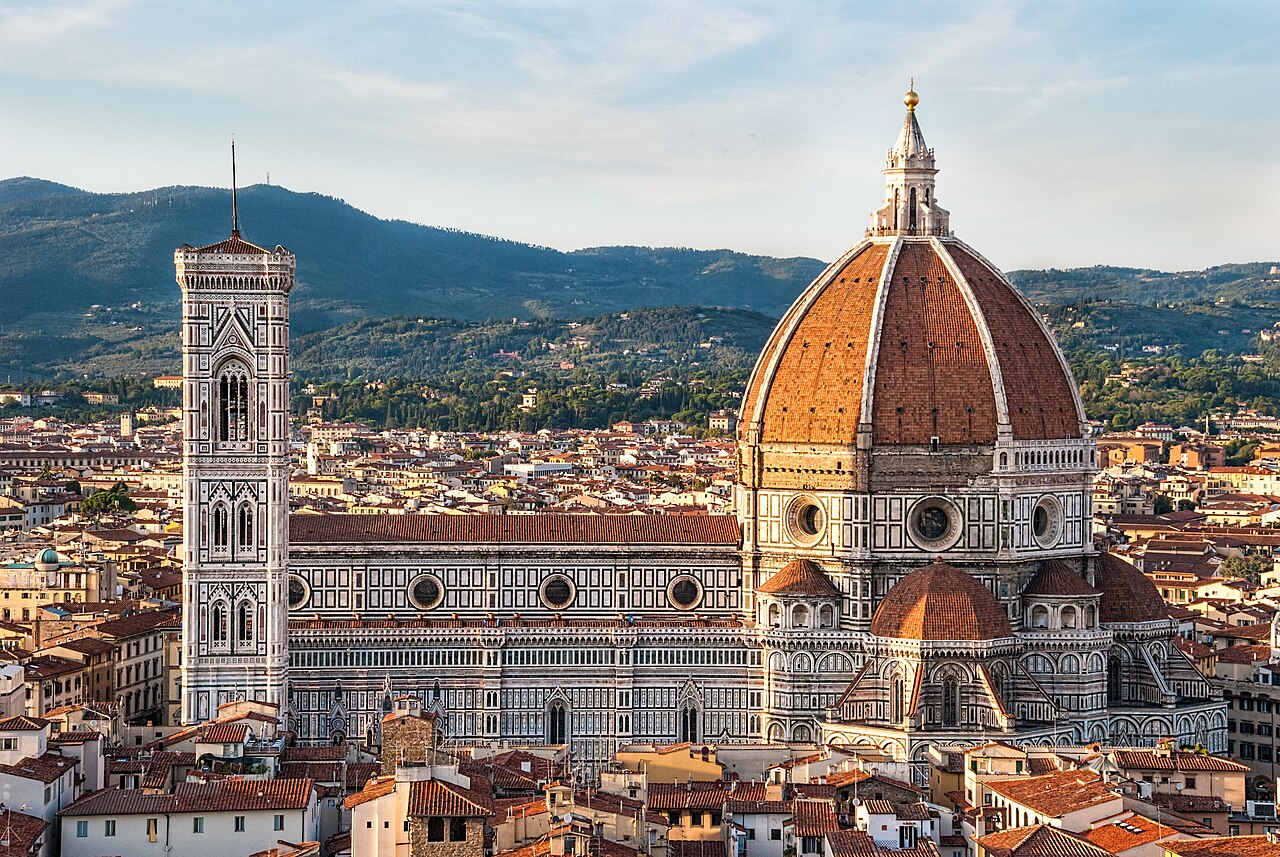
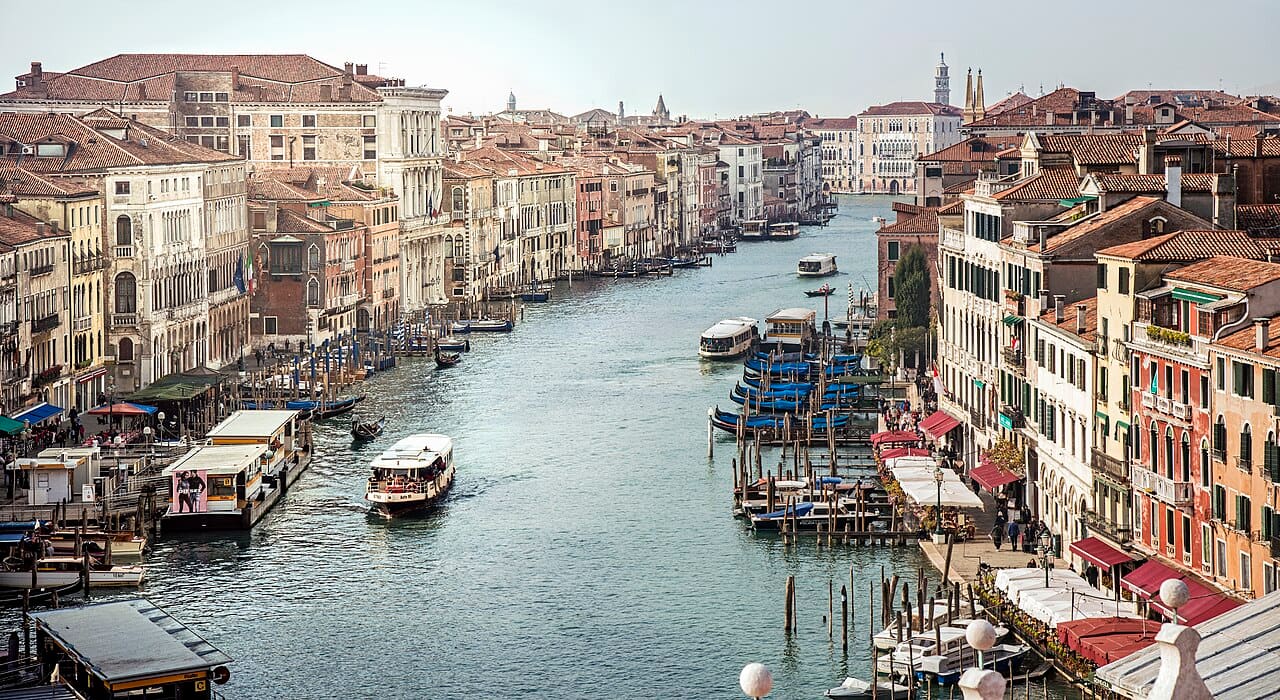
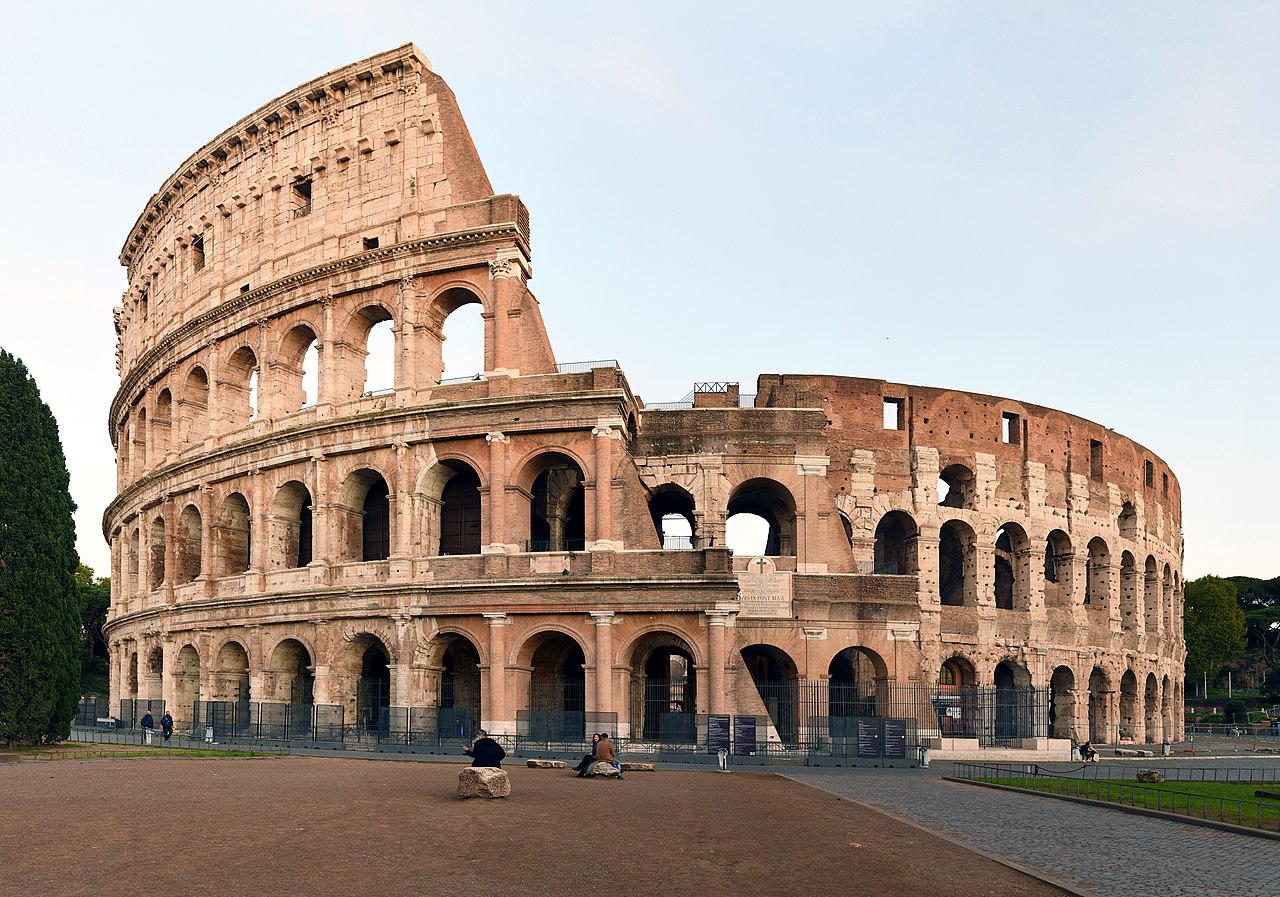
If you're going to Italy for the first time, your itinerary will almost certainly be Rome, Florence and Venice. That isn't a cliché — it's geography. The three cities sit on the same high-speed line, total train time from Rome to Venice is under 4 hours, and they offer completely different things. Rome is ancient scale and chaos, Florence is the Renaissance and walkability, Venice is a city plan like nowhere else.
How to split the days: how many nights where?
The most common mistake is giving the three cities equal time. They don't need the same number of days.
| City | Nights | Why this many? |
|---|---|---|
| Rome | 3 | The Vatican is a half-day on its own; the ancient centre is a full day |
| Florence | 2 | The centre is small and walkable; Uffizi and Accademia take a half-day |
| Venice | 2 | The island is small but crowded; one day for Murano-Burano |
| Time in transit | - | Under 4 hours of train in total |
Trains: how to book the high-speed services
Two rival high-speed operators run the Rome-Florence-Venice line, and the competition brings fares down sharply. Tickets go on sale about 3-4 months before departure; the cheapest fares are quota-based and the price steps up as they sell out.
| Leg | Duration | Booked early | Last minute |
|---|---|---|---|
| Rome → Florence | 1 hour 30 minutes | 20-35 € | 50-90 € |
| Florence → Venice | 2 hours 10 minutes | 25-40 € | 60-100 € |
| Rome → Venice (direct) | 3 hours 45 minutes | 35-50 € | 80-120 € |
- The station you want in Venice is Santa Lucia. Mestre is the mainland station; if your hotel is on the island, don't get off at Mestre.
- Florence's central station is Santa Maria Novella, within walking distance of the city centre.
- In Rome both Termini and Tiburtina are used; check which one is on your ticket.
- Cheap fares are usually non-changeable and non-refundable; if your dates aren't firm, work out whether the flexible fare is worth the difference.
Tickets you must buy in advance
Queueing in Italy is optional: almost every major museum sells timed entry. Buying those before you leave is the highest-return decision you'll make on the trip.
- Vatican Museums and Sistine Chapel: book the first slot of the morning; the afternoon is a human tide.
- Colosseum, Roman Forum and Palatine Hill: one combined ticket covers all three, and timed entry is required.
- Uffizi Gallery (Florence): timed entry — don't put it on a weekend.
- Accademia (Florence): Michelangelo's David is here. The visit takes 45 minutes, but the queue can run to 2 hours.
- St Mark's Basilica (Venice): entry is cheap, but a timed reservation wipes out the queue entirely.
How to extend the itinerary
- +2 days Naples and Pompeii: 1 hour 10 minutes by high-speed train from Rome; the ancient city and Italy's best pizza.
- +2 days Tuscany: use Florence as a base and day-trip to Siena and San Gimignano.
- +2 days Milan: 2 hours 25 minutes from Venice; fly home from Milan and close the loop.
- +3 days Amalfi Coast: crowded and expensive in summer, but Italy's most striking stretch of coastline.
| Item | Budget | Mid-range | Comfortable |
|---|---|---|---|
| Flights (open-jaw) | 130-220 € | 220-350 € | 350-550 € |
| Trains | 45-75 € | 75-120 € | 120-200 € |
| Accommodation (7 nights) | 280-450 € | 450-750 € | 750-1.400 € |
| Food and drink | 180-280 € | 280-420 € | 420-700 € |
| Museums and entry tickets | 70-100 € | 100-150 € | 150-250 € |
| Total | 705-1.125 € | 1.125-1.790 € | 1.790-3.100 € |
When should you go?
April-May and September-October are the best windows: mild weather, shorter queues, mid-range prices. July-August is both very hot and very crowded; daytime temperatures in Rome top 35°C and museum queues have no shade. November-February is the cheapest period, and Venice shows its misty, empty face in these months — though short-lived floods (acqua alta) can happen.
Keep reading
Frequently asked questions
How many days do you need for Rome, Florence and Venice?
8 days is the ideal split: 3 nights in Rome, 2 in Florence, 2 in Venice. You can squeeze it into 6, but then you'd have to turn Florence into a day trip.
Which city should I fly into, and which should I leave from?
Flying into Rome and home from Venice (or the other way round) is the most efficient option. Returning to the same city adds a pointless 4-hour train journey on the last day.
Do I have to buy museum tickets in advance?
For the Vatican Museums, Colosseum, Uffizi and Accademia, yes. All four sell timed entry, and buying on the door in high season means a 1-3 hour queue.
Should I hire a car in Italy?
Not for this itinerary. All three cities are linked by high-speed rail, and most of the centres are limited-traffic zones (ZTL); driving in by mistake means a heavy fine. A car only makes sense if you're heading into the Tuscan countryside.