Route ideas
Kraków, Wrocław, Warsaw, Gdańsk: 11-day Poland route
Poland is one of the countries in Europe where you can spend the most days with the same budget. Four cities are connected by a single train line and each tells a different period.
FlyVentis editör ekibi tarafından hazırlanmış, seyahat ve etkinlik bilgileri düzenli olarak gözden geçirilen rehber.
Poland is one of the countries with the highest historical density, although it is visited at half of Western European prices. A single north-south train line connects the four major cities, each depicting a different period of the country: Kraków medieval and royal, Wrocław the German-Polish transition, Warsaw reconstruction, Gdańsk maritime trade and recent history.
This route is based on 11 days and is one-way: you land in Kraków, go north and return from Gdańsk.
Day distribution: how many nights where?
| Stop | Night | Why so much? |
|---|---|---|
| Krakow | 4 | Central two days; Auschwitz and Salt Mine, one day each |
| Wroclaw | 2 | Central compact, dwarf statues and islands |
| Warsaw | 3 | Old Town, museums and park |
| Gdańsk | 2 | Port, Malbork day trip and return |
Kraków and surroundings
- Rynek Główny One of the largest medieval squares in Europe; It is 200 meters × 200 meters and all pedestrian. The Fabric Hall in the middle has been used as a trade building since the 14th century. Live trumpets are played every hour from the tower of the Church of Our Lady in the square, and the melody is interrupted in the middle; This is a tradition commemorating the sentry who was arrowed in the 13th century.
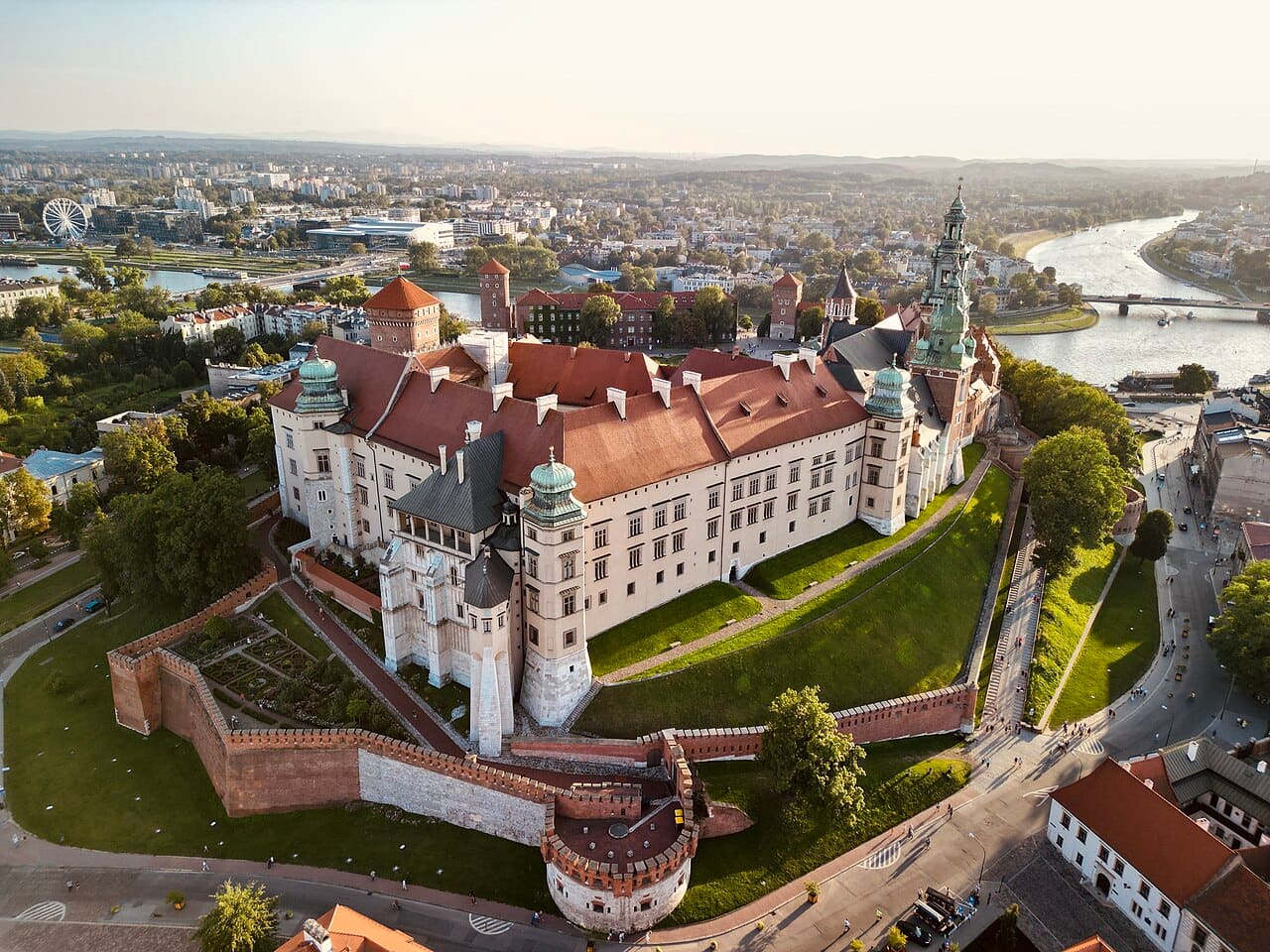
- Wawel Castle is on the hill on the banks of the Vistula and was the seat of the Polish kings for centuries; The cathedral, royal apartments and treasury can be visited with separate tickets, it is not necessary to buy them all. The dragon cave under the castle is a separate stop for visitors with children.
- Salt Mine In Wieliczka, 30 minutes from the center: 135 meters underground there are chapels, chandeliers and statues entirely carved from salt. It looks touristy but the scale is truly staggering; You go down 800 steps and exit by elevator. Guided tour 2 hours, 14 degrees inside, take a jacket.
- Auschwitz Memorial 1.5 hours from Kraków; You should go knowing what you will see before your visit. Not recommended for under 14 years of age. Taking photographs is allowed in the area, but it is prohibited in some parts, the guide warns.
Wroclaw and Warsaw
- Wrocław Square is smaller but livelier than Kraków's square, with its colorful facades; The city is built on 12 islands and has more than a hundred bridges. More than 400 small bronze dwarf statues scattered across the city, once a symbol of an anti-communist protest movement, are now a searching game for families with children.
- Warsaw Old Town is a completely reconstructed centre: The city, which was systematically destroyed in 1944, was reconstructed stone by stone, using pre-war paintings and photographs, and was included in the UNESCO list as such. The square looks real because it is faithful to the original.
- Łazienki Park Warsaw's largest park; There is a palace built on water, an amphitheater and free-roaming peacocks. During the summer months, free open-air piano concerts are held in front of the Chopin monument on Sundays.
- The Warsaw Uprising Museum tells about the city's 63-day resistance in 1944 and is a place to visit before the Old City to understand the recent history of the country; Allow two to three hours.
Gdańsk and the north
- Port of Gdańsk The line of historical warehouses and merchant houses along the Motława canal; The medieval wooden harbor crane still stands and is the only preserved example of this scale in the world. The facades were narrow and high because taxes were collected according to the width of the facade.
- Malbork Castle 45 minutes by train from Gdańsk: it was the world's largest brick castle by area and the headquarters of the Teutonic Knights. The structure, which consists of three separate castles, requires half a day and an audio guide; The area is really big.
- The European Solidarity Center is located on the site of the former shipyard and the birthplace of the Solidarność movement; One of the best museums depicting the dissolution of the Eastern Bloc, give it two hours.
- Zakopane & Tatras for those who will extend the route south: 2 hours from Kraków, a mountain town with wooden architecture at the foot of the Tatra Mountains. Hiking in summer, skiing in winter.
Trains and practical notes
| Connection | Duration | early purchase | breaking news |
|---|---|---|---|
| Kraków → Wrocław | 3 hours | 40-70 zł | 90-140 zł |
| Wrocław → Warsaw | 3 hours 40 minutes | 60-100 zł | 130-190 zł |
| Warsaw → Gdańsk | 2 hours 50 minutes | 60-110 zł | 140-200 zł |
| Gdańsk → Malbork | 45 minutes | 15-25 zł | - |
- Reservations are mandatory on high-speed trains (EIP/EIC) and early purchase discounts are large; Tickets go on sale 30 days before departure.
- It uses Polish zloty (PLN), not euro. The exchange rate difference is high in exchange offices in touristic areas; use a bank ATM and decline the self-currency conversion offered by the machine.
- Payment by card is accepted everywhere in city centres; Cash works fine in small kiosks.
- No need for a car: all four cities are on the train line and the centers are walkable.
| Pen | Economic | Middle | Comfortable |
|---|---|---|---|
| Flight (open jaw) | 100-180€ | €180-290 | €290-450 |
| trains | 45-75€ | 75-120€ | 120-190€ |
| Accommodation (10 nights) | 250-420€ | 420-750€ | €750-1,400 |
| Food and beverage | 180-280€ | €280-430 | 430-700€ |
| Museum, tour and entrances | 80-120€ | 120-180€ | 180-280€ |
| Total | €655-1,075 | 1.075-1.770€ | €1,770-€3,020 |
When to go?
May-June and September are the most stable periods: the weather is walkable, the days are long and the crowds are moderate. July-August is the period when the squares in Kraków are filled and Auschwitz tickets sell out the fastest. December is another option: all four cities hold Christmas markets, with Kraków's considered among the largest in Europe; On the other hand, the temperature drops to minus. November-February is the cheapest period and does not cause any problems for a museum-focused route.
Keep planning
Frequently asked questions
How many days does it take to visit Poland?
7 days is enough for Kraków and Warsaw. When you add Wrocław and Gdańsk, 11 days gives a comfortable pace; Since the cities are on the train line, road loss is low.
How to plan a visit to Auschwitz?
Entry is free, but there are hours and quotas; During the summer months it fills up weeks in advance. Between 10:00 and 15:00, entry is only possible with a guided tour. The visit covers two areas and lasts 3.5 hours, do not fill that day with other programs.
Is the euro used in Poland?
No, zloty (PLN) is used. Payment by card is ubiquitous; If you need cash, choose the bank ATM and reject the exchange rate offered by the machine and make the transaction in zloty.
Should I rent a car?
Not necessary. All four cities are on the high-speed train line and their centers are walkable. The tool only makes sense if you add rural stops like the Tatra Mountains or the Mazurian lakes region.