Route ideas
Sarajevo, Mostar, Kotor, Ohrid: 12-day Balkan route
The Balkans is the most affordable route in Europe, but the train network is weak. This 12-day plan with bus and vehicle connects four countries on one line.
FlyVentis editör ekibi tarafından hazırlanmış, seyahat ve etkinlik bilgileri düzenli olarak gözden geçirilen rehber.
The Balkans is the region where you can spend the most days with the same budget in Europe. Accommodation and food and beverages are half that of Western Europe, distances are short, and the landscape constantly changes from mountain to sea. Planning, however, takes a bit more effort: the train network is poor, most lines operate by bus, and border crossings add hours to the schedule.
This route connects four countries in one line: Bosnia and Herzegovina, Montenegro, Albania and North Macedonia. You land in Sarajevo, go out to the Adriatic, go south and return from Skopje via Ohrid.
Day distribution: how many nights where?
| Stop | Country | Night | Why so much? |
|---|---|---|---|
| Sarajevo | Bosnia and Herzegovina | 3 | The city itself is two days, the surroundings are half a day. |
| Mostar | Bosnia and Herzegovina | 2 | Base for Blagaj and Počitelj |
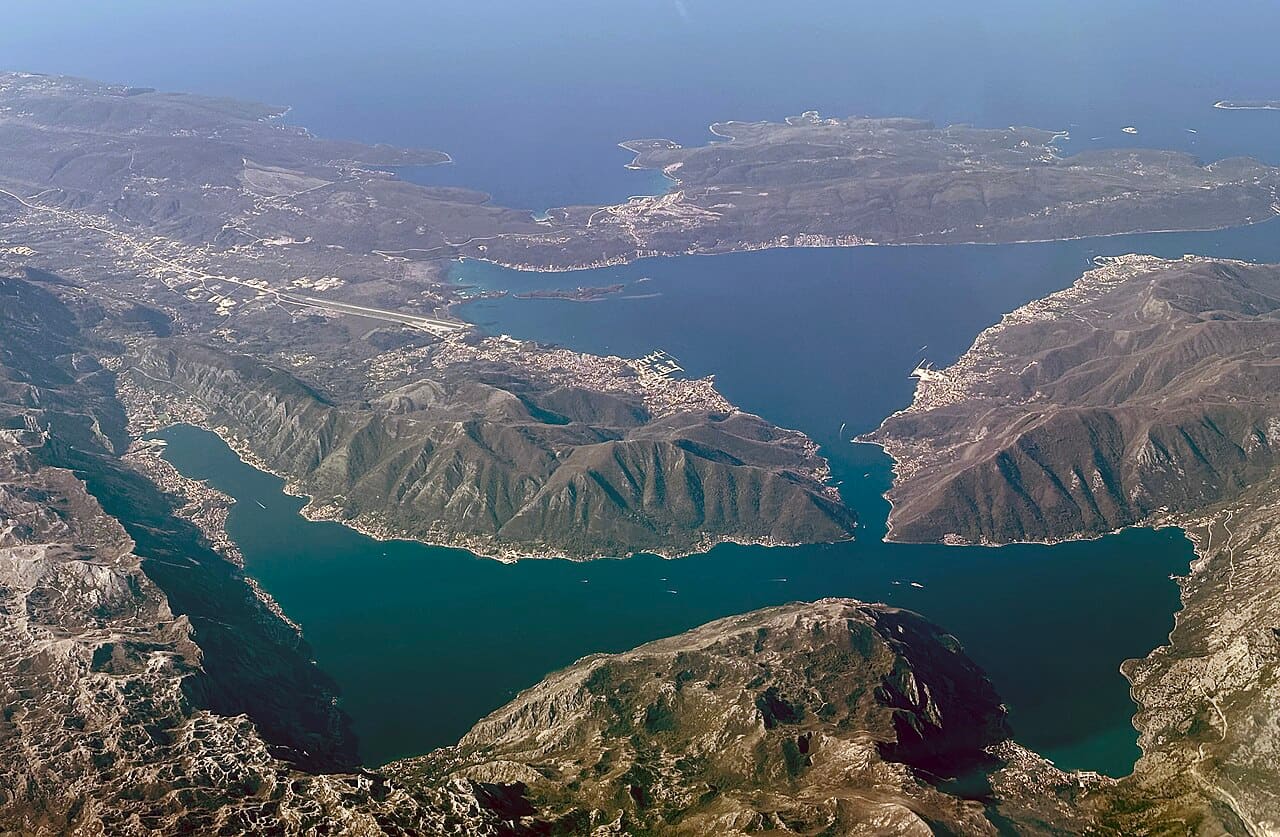
| Kotor | Montenegro | 3 | Gulf, Perast and Budva day trips |
| Tirana / Ohrid | Albania / N. Macedonia | 3 | Lake surroundings and old town |
| Skopje | North Macedonia | 1 | Last stop before return flight |
Sarajevo and Mostar: Bosnian part
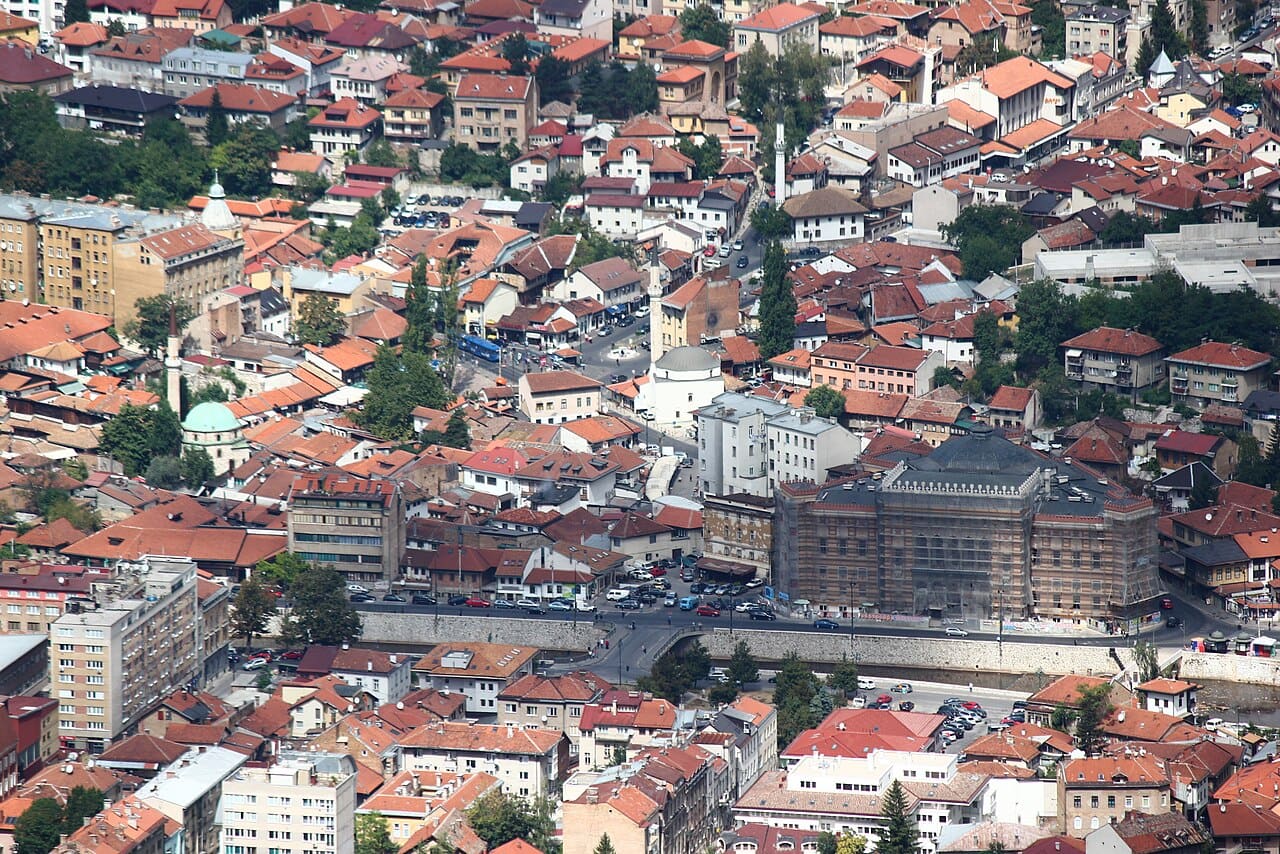
Sarajevo is one of the rare cities in Europe where mosques, synagogues, Catholic and Orthodox churches are located within a few hundred meters. The center is the Baščaršija market and the historical city can be unraveled by walking from here. To understand the recent history of the city, a visit to the Sarajevo War Tunnel is almost mandatory; The museum is near the airport and you need to reserve half a day.
- Gazi Husrev-beg Mosque: right in the middle of the bazaar, built in 1531 and the largest Ottoman mosque in the Balkans. It forms a complex with the madrasa, library and bath next to it; The manuscript collection in the library is on the UNESCO Memory of the World list. The fountain in the courtyard was the water source of the neighborhood during the siege years. Visiting is half an hour, open outside prayer times.
- Vrelo Bosne: 12 kilometers from the center, source of the Bosna River; The water coming out from under Mount Igman flows in a park divided into small islets. The 3.5-kilometer plane tree-lined road extending from the entrance to the source can be crossed on foot or by horse-drawn carriage. A few degrees cooler than the city in the summer heat; A half day escape.
- Mostar Bridge: Bridge built in 1566, destroyed in 1993, and rebuilt in 2004 with original stones recovered from the river; Its single arch span is 29 meters. Local divers jumping into the Neretva from a height of 24 meters is a centuries-old tradition and is repeated throughout the day in the summer months. It becomes difficult to walk on the bridge at noon, so go early in the morning; the stones are polished and very slippery in the rain.
- Blagaj Lodge: 12 kilometers from Mostar; A 16th century dervish lodge built right above the Buna spring, which gushes out from the bottom of a 200-meter steep rock. The spring is one of the strongest karst springs in Europe and its water is ice cold. You are given a headscarf and skirt when entering. Visit one hour; Fresh trout is eaten in restaurants across the spring.
- Počitelj: Medieval stone town built step by step on the hillside, on the Mostar-Çapljina road; Ottoman and medieval architecture stand together. The climb to the top of the tower takes fifteen minutes and the Neretva valley is visible from above. It's ideal as a half-hour stop on the road, and entrance is free.
- Kravica Waterfall: The waterfall falling in a semicircular shape from a height of 25 meters and forming a natural pool underneath; You can swim in it during the summer months. It is 40 minutes from Mostar and can be reached by day tours or by car. The descent from the parking lot is steep, and there is a train service at the exit. July-August weekends are very crowded, go on weekdays.
Montenegro: gulf and coast
The bus from Mostar to Kotor takes 6 hours and is one of the most scenic parts of the route. Kotor is a small medieval town surrounded by walls; Climbing the city walls takes about 1.5 hours and should be done early in the morning because it is both hot and crowded in the afternoon.
- Perast: the quietest town of the bay; It consists of a single coastal street and sixteen baroque palaces and is closed to vehicle traffic. The island opposite Our Lady of the Rocks is completely artificial: sailors created the island by throwing stones at the same spot for centuries. The church can be reached in 10 minutes by boat; On the votive panel inside, a tapestry crafted by a local woman over the course of sixty years is exhibited.
- Budva Old Town: a small peninsula surrounded by walls; Inside there are narrow stone streets, three churches and a castle overlooking the sea. The city itself is the center of nightlife on the Montenegrin coast and is open until dawn in the summer months. If you are looking for a quiet holiday, do not stay here, come from Kotor for the day; The bus takes 40 minutes.
- Sveti Stefan: island connected to the land by a narrow tongue of sand, founded as a fishing village in the 15th century; Today, it is a completely private hotel and non-guests are not allowed in. On the other hand, the view seen from the observation deck above is the most well-known postcard of Montenegro. One of the beaches on both sides of the island is public, the other belongs to the hotel.
- Lovćen National Park: Serpentine road climbing with sharp bends above Kotor; With each bend, the bay opens up a little more and the entire fjord is seen in a single frame from above. There are 461 steps to climb to the Njegoš tomb at the top. The road is narrow and has no guardrails in places, maneuvering is required when oncoming vehicles; If you don't trust driving, take a tour.
- Lake Skadar: The largest lake in the Balkans and one-third of its surface is within the borders of Albania. Its shallow bays covered with water lilies are one of the most important bird areas in Europe; Pelicans and cormorants colonies are here. Boat tours depart from Virpazar and last two to three hours. There are small vineyards in the villages along the lake, and wine tasting is included in most tours.
Albania and North Macedonia
The line going south from Montenegro enters Albania. If time is limited, you can spend one night in Tirana and continue directly to Ohrid; If you have two or three days extra, the south coast is the most beautiful part of the route.
- Skanderbeg Square: The center of Tirana; The 40 thousand square meter area was closed to traffic and completely pedestrianized, and its floor was paved with stones brought from every region of Albania. Surrounding it are the National History Museum, the opera house and the Et'hem Bey Mosque from the Ottoman period. It takes half a day with the shelter museums telling about the city's dictatorship period.
- Berat Castle: a castle settlement where families still live and churches and mosques stand together; The neighborhood within the walls functions like an ordinary village. The stacked windows of the Mangalem neighborhood below have given the city the name of the city of a thousand windows. 2 hours from Tirana; The exit to the castle is on steep cobblestones. It is more comfortable to stay one night and leave in the morning.
- Ksamil Beaches: One of the clearest waters of the Ionian Sea, just opposite the Greek island of Corfu; You can swim to three small islands off the coast. July-August is overcrowded and sunbed prices rise; June and September are much more comfortable, the sea is still warm.
- Butrint Ancient City: 20 kilometers from Saranda; The ancient city on the UNESCO list, where Greek, Roman, Byzantine and Venetian layers stand on top of each other. Theatre, bathhouse and baptistery mosaics are together and the area is completely covered with forest, meaning it is shaded. Thanks to its location on the shores of the lagoon, it can be visited even in the summer heat; Take two hours.
- Ohrid Old Town: town built on the hillside above the lake, said to have once had 365 churches; The church of Sveti Jovan Kaneo stands at the tip of the cliff and is the most well-known sight of the region. The ancient amphitheater is still used for summer concerts. It takes an hour and a half by boat to reach the Sveti Naum monastery on the lakeshore. Two nights is ideal.
- Matka Canyon: 30 minutes to Skopje; It is a narrow canyon filled with a dam lake and there are medieval monasteries on its shore. Vrelo Cave is reached by proceeding by boat or canoe; The cave is considered one of the deepest underwater caves in Europe. The hiking path along the canyon is flat and shady. Ideal half day for the last day before the return flight.
Transportation: bus or car?
Trains are not a practical option in the Balkans: lines are sparse, slow and unavailable on most routes. The real choice is between bus and rental car.
| Connection | Bus duration | Estimated fee |
|---|---|---|
| Sarajevo → Mostar | 2 hours 30 minutes | 10-15€ |
| Mostar → Kotor | 6 hours | 25-35€ |
| Kotor → Tirana | 6-7 hours | 25-35€ |
| Tirana → Ohrid | 4 hours | 15-25€ |
| Ohrid → Skopje | 3 hours | 10-15€ |
- Bus tickets are purchased in cash at the terminal on most lines; For popular trips during the summer months, it is safe to book a day in advance.
- You will be changing countries with a rental car: you need to ask the rental company for a green card (cross-border insurance) and permission to exit countries, both of which incur additional fees.
- One-way car rental is generally very expensive in the Balkans; If you are going to drive, plan to leave the vehicle in the country where you bought it.
- Border crossings can take between 30 minutes and 2 hours in summer; Keep the daily schedule loose accordingly.
- Montenegro uses the euro; Marka (BAM) is valid in Bosnia, lek is valid in Albania, and denar is valid in North Macedonia.
| Pen | Economic | Middle | Comfortable |
|---|---|---|---|
| Flight (open jaw) | 120-200€ | 200-320€ | 320-480€ |
| Buses and transfers | 90-130€ | €130-190 | €190-280 |
| Accommodation (11 nights) | 220-380€ | 380-650€ | 650-1.200€ |
| Food and beverage | €180-270 | €270-420 | 420-650€ |
| Tours and entrance tickets | 60-100€ | 100-160€ | 160-260€ |
| Total | €670-1,080 | €1,080-1,740 | 1.740-2.870€ |
When to go?
May-June and September-October are the best periods for this route: the sailing season is open on the coast, the temperature in the interior is walkable and the prices are not at their peak. July-August makes the coastal section difficult; Kotor and Budva dollars, accommodation doubles. During the winter months, the coast is calmer, but mountain passes can close and bus services become infrequent.
Keep planning
Frequently asked questions
How many days does it take to tour the Balkans?
12 days is a realistic lower limit for this route covering four countries. If you want to squeeze it into 8 days, leave out the Albania section and settle for Sarajevo, Mostar and Kotor.
Can trains be used in the Balkans?
In a limited way. The Sarajevo-Mostar line is scenic and pleasant, but there are several departures a day. For the rest of the route, the train is either non-existent or takes twice as long as the bus; The practical solution is the bus.
Can I cross the border with a rental car?
Yes, but with permission. When renting, you must inform which countries you will enter, obtain green card insurance and a cross-border use permit. If you come to the border without permission, no vehicle will be allowed.
What currency is used?
Montenegro uses the euro. The convertible mark is valid in Bosnia and Herzegovina, the lek is valid in Albania, and the denar is valid in North Macedonia. Cash is still common in small businesses, keep a small amount of local currency in each country.