

Zaanse Schans
Ideal: Ideal for first-time visitors to the Netherlands, photography, outdoors, and classic Dutch atmosphere.
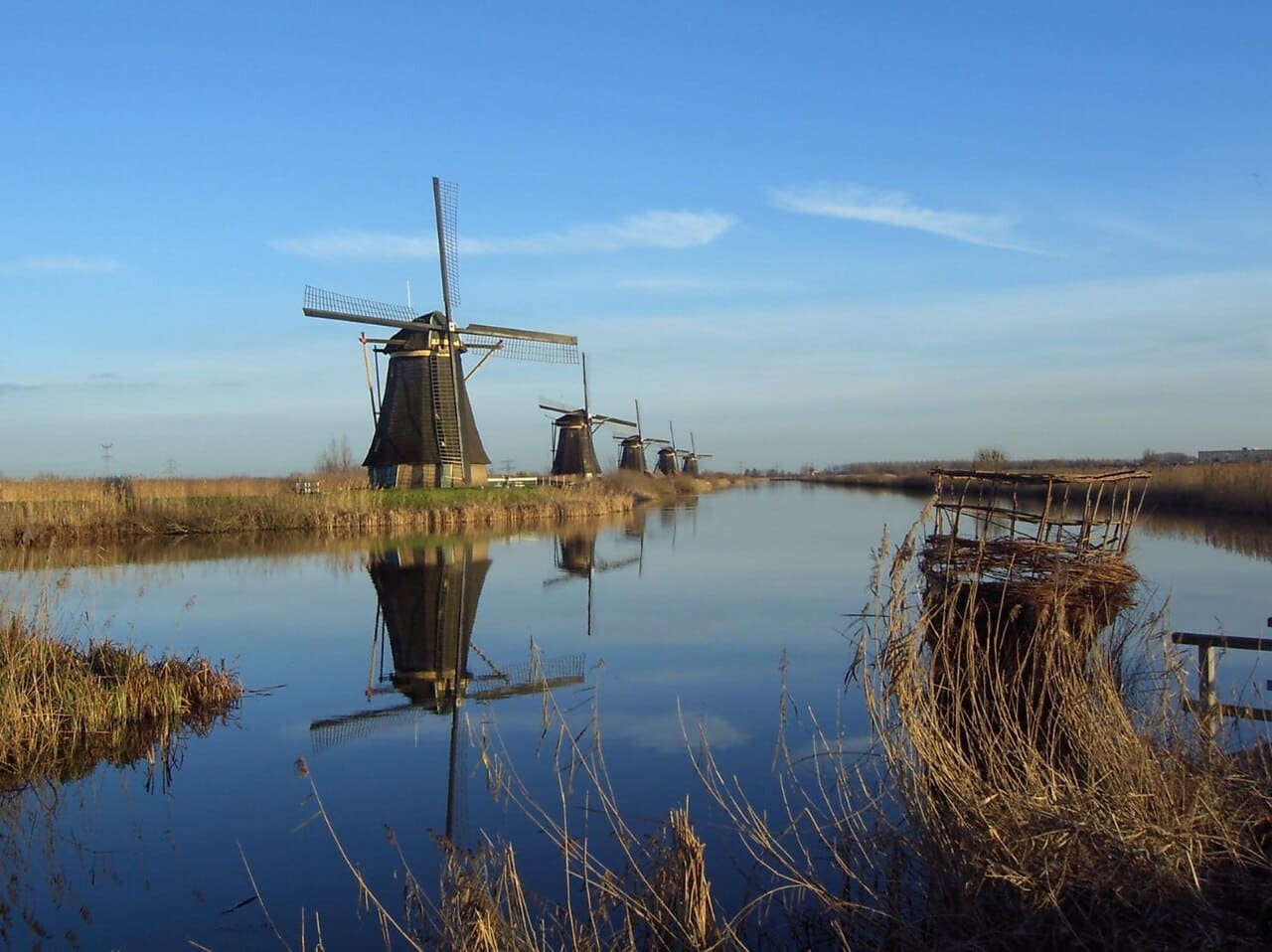
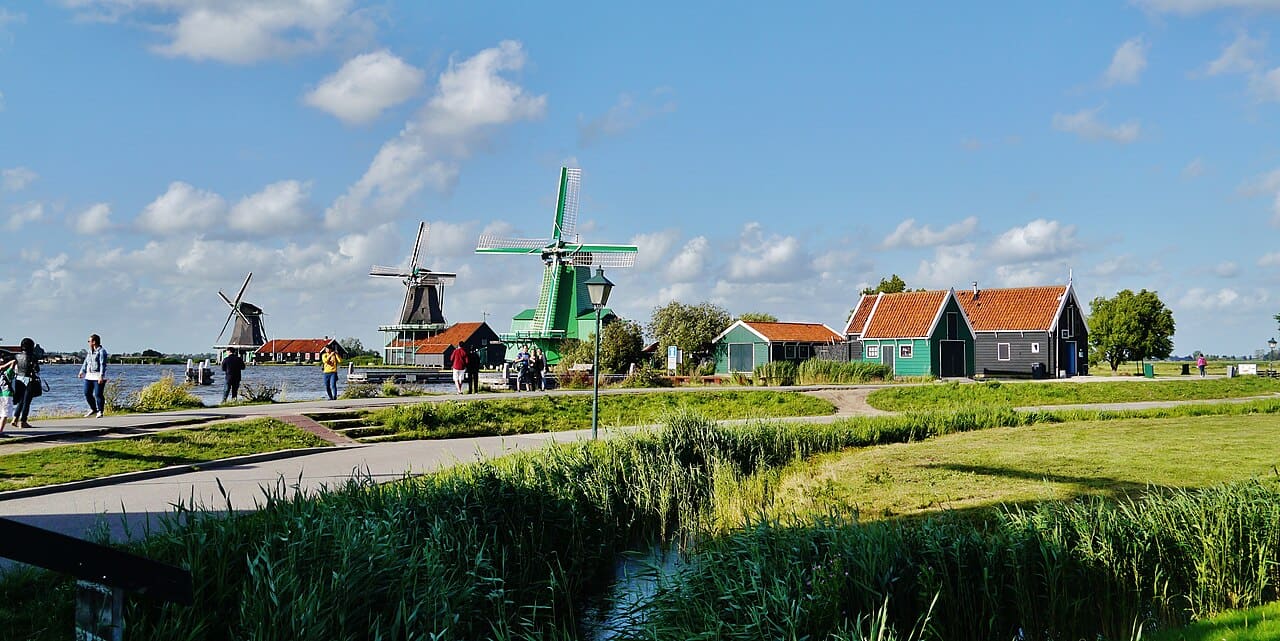
In the 18th century the Zaan region ran on more than 600 industrial mills — sawing timber, grinding paint, pressing oil — density often called the world's first industrial zone. The village you see is not a single surviving settlement: historic houses and mills were dismantled elsewhere between 1961 and 1974 and moved here. Some standing mills still produce commercially — paint pigment and mustard are still ground by wind.
Quick facts
- Built
- 1961
- Opened
- 12 September 1961
Facts from Wikidata, photos from Wikimedia Commons.
Did you know?
Is Zaanse Schans a real village?
Most of the buildings were moved here from elsewhere in the Zaan region from the 1960s on. It is a planned open-air conservation area made of authentic buildings — and some houses are still lived in.
How many windmills did the region once have?
In the 18th century over 600 windmills worked in the Zaan region, making it one of the world's first industrial districts. They sawed timber, ground pigment and pressed oil.
Why are the houses painted green?
The shade known as Zaan green came from a cheap pigment produced in the local mills. It was both protective and the most economical choice for timber façades, and over time it became the region's signature.
Why go?
- To see traditional Dutch village atmosphere and windmills
- For a short, easy open-air museum-style route
- Because it is an easy, photogenic half-day trip from Amsterdam
Travel tip
It can be very touristy — early morning is calmer and better for photos.