

Notre-Dame Cathedral
Ideal: Ideal for architecture, religious heritage, and short in-city culture breaks.
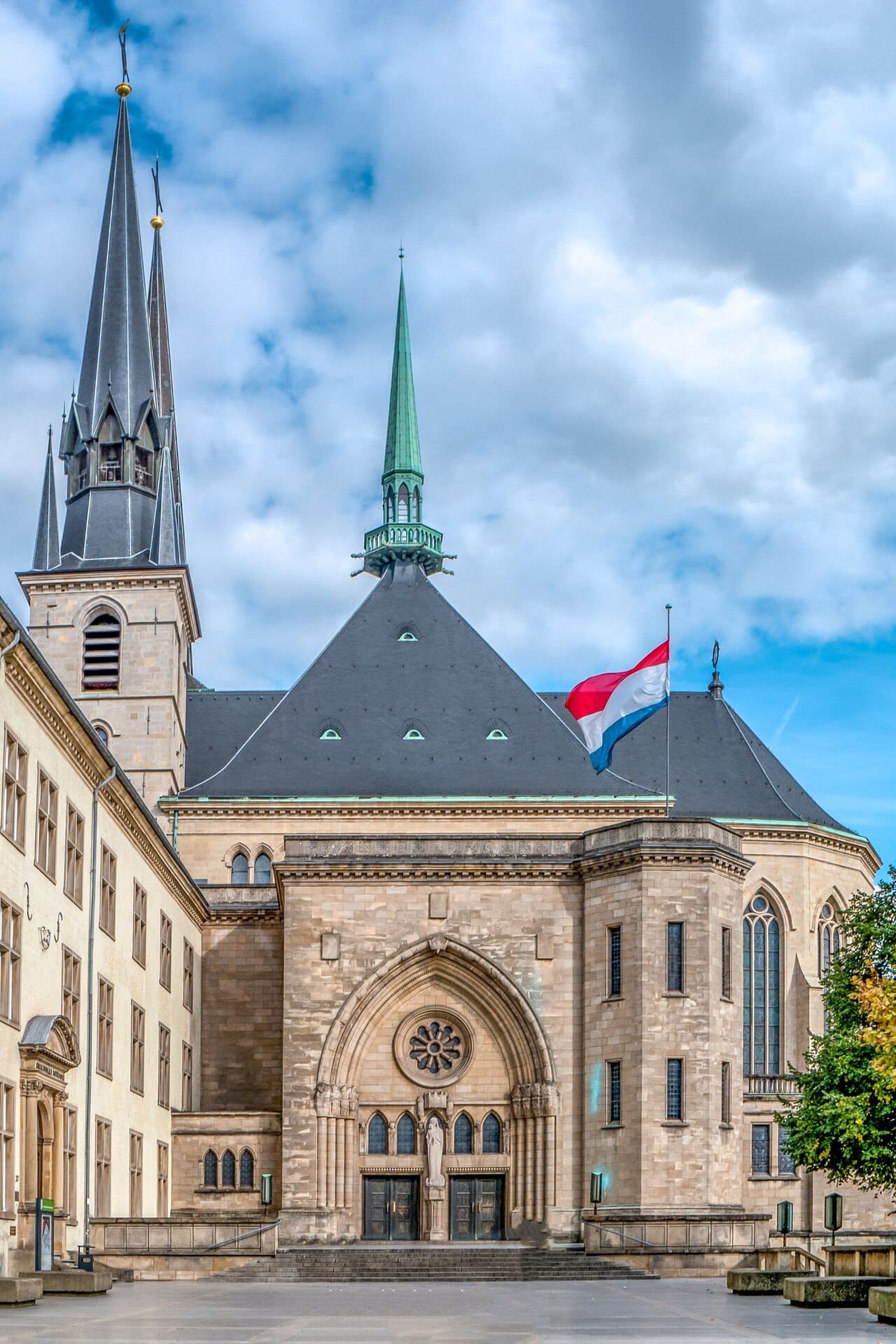
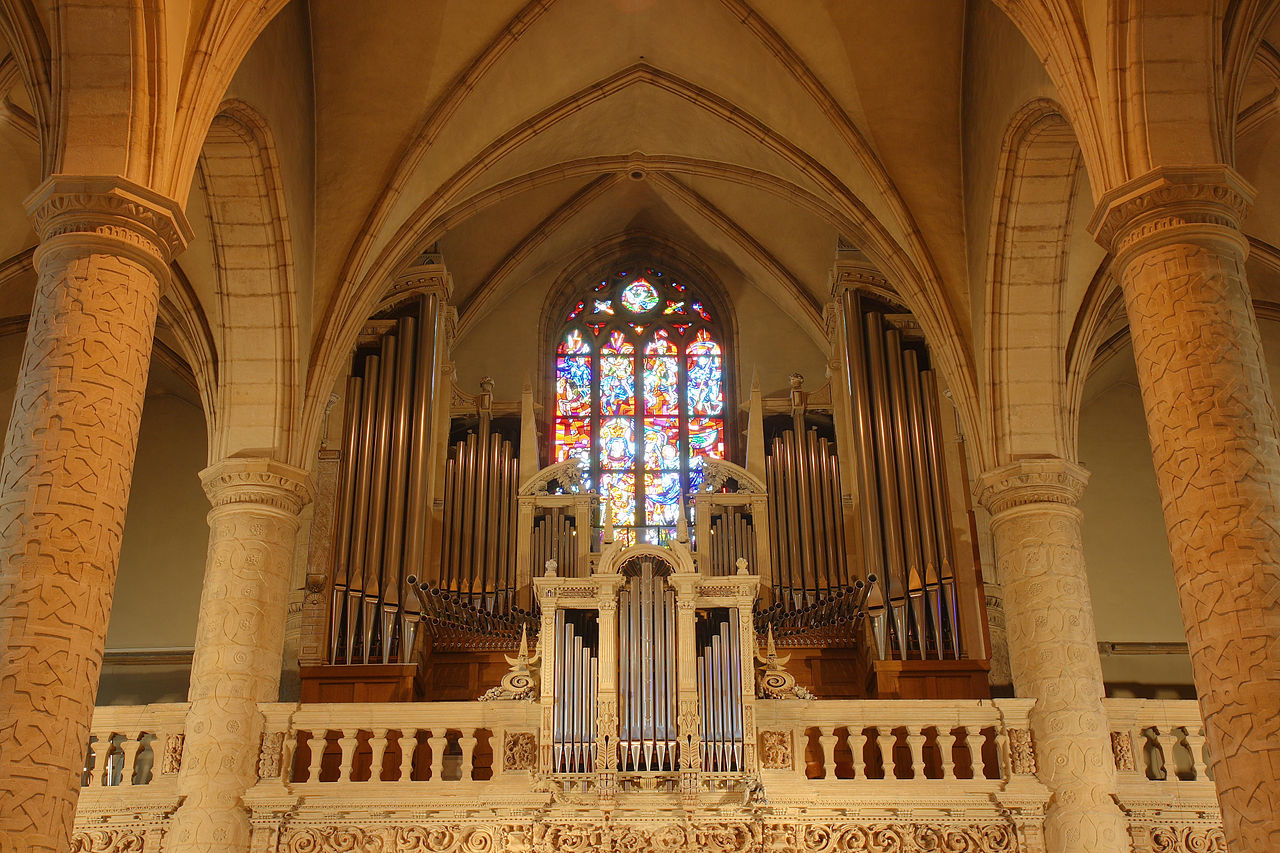
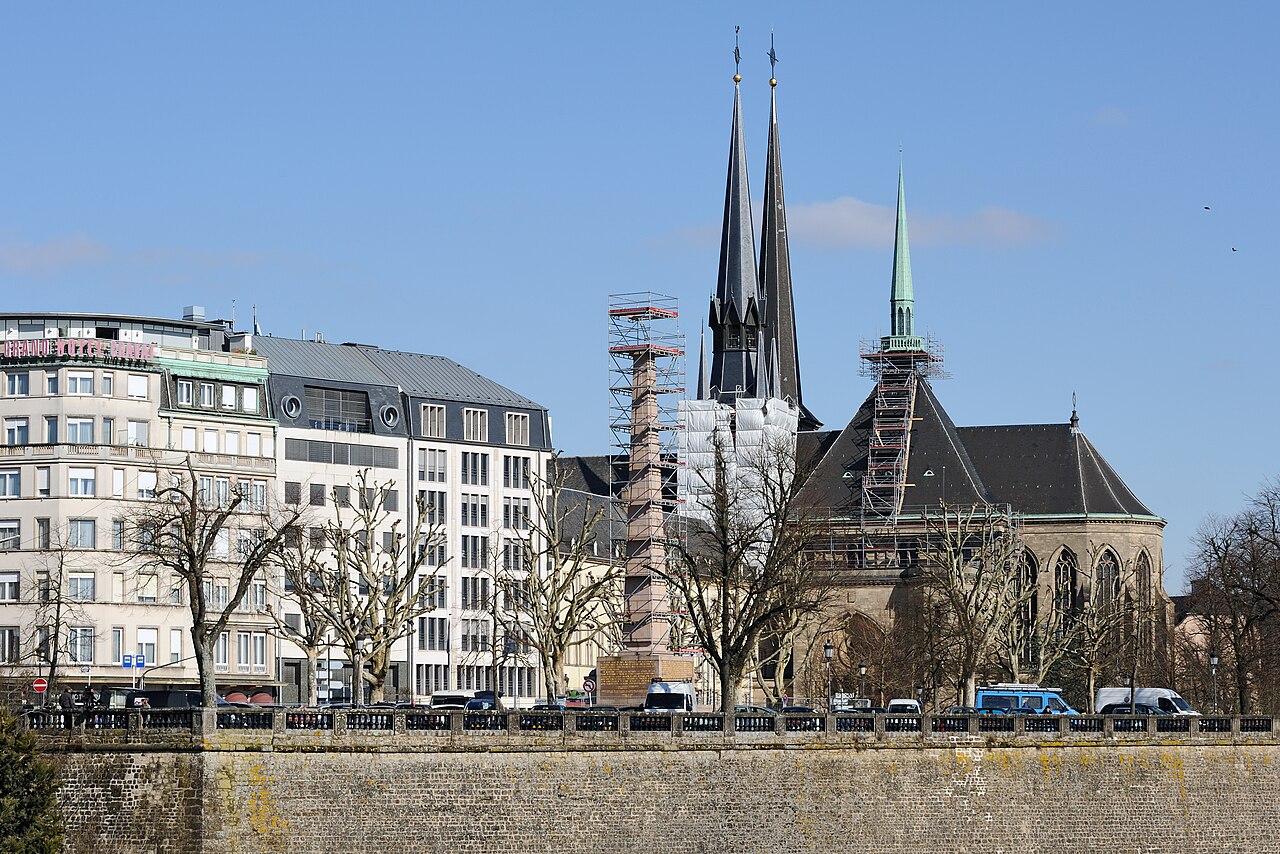
Built as a Jesuit church between 1613 and 1621, it only received cathedral status in 1870, so late Gothic structure mixes with Renaissance details. The crypt below holds the tombs of the Grand Ducal family, guarded at the entrance by two bronze lions. Each spring during the Octave pilgrimage period, tens of thousands from across the country come to visit the statue of Our Lady Comforter of the Afflicted here, and a traditional fair is set up in the square.
Quick facts
- Built
- 1938
- Architect
- Jean du Blocq
- Architectural style
- Gothic architecture
- Material
- brick
Facts from Wikidata, photos from Wikimedia Commons.
Did you know?
Who is buried in the cathedral crypt?
Luxembourg's grand dukes and members of the royal family. Two bronze lions guarding the crypt entrance are among the cathedral's best-known details.
What is the Octave pilgrimage?
A five-week religious festival each spring during which pilgrims walk to the cathedral from across the country and neighbouring states. The market on the square is one of Luxembourg's largest annual events.
Which styles are combined in the building?
It was built in the 17th century as a late Gothic Jesuit church, given Renaissance elements on the façade, and gained Art Deco touches in a major 1930s extension.
Why go?
- To see one of Luxembourg's most important cathedrals
- To study Gothic architecture and stained-glass details
- To add a calm cultural stop within the old town
Travel tip
It does not take long; visit it on the same route as the Grand Ducal Palace and an old-town walk.