



Curonian Spit
Ideal: Ideal for nature, coast, photography, and a calm travel pace.
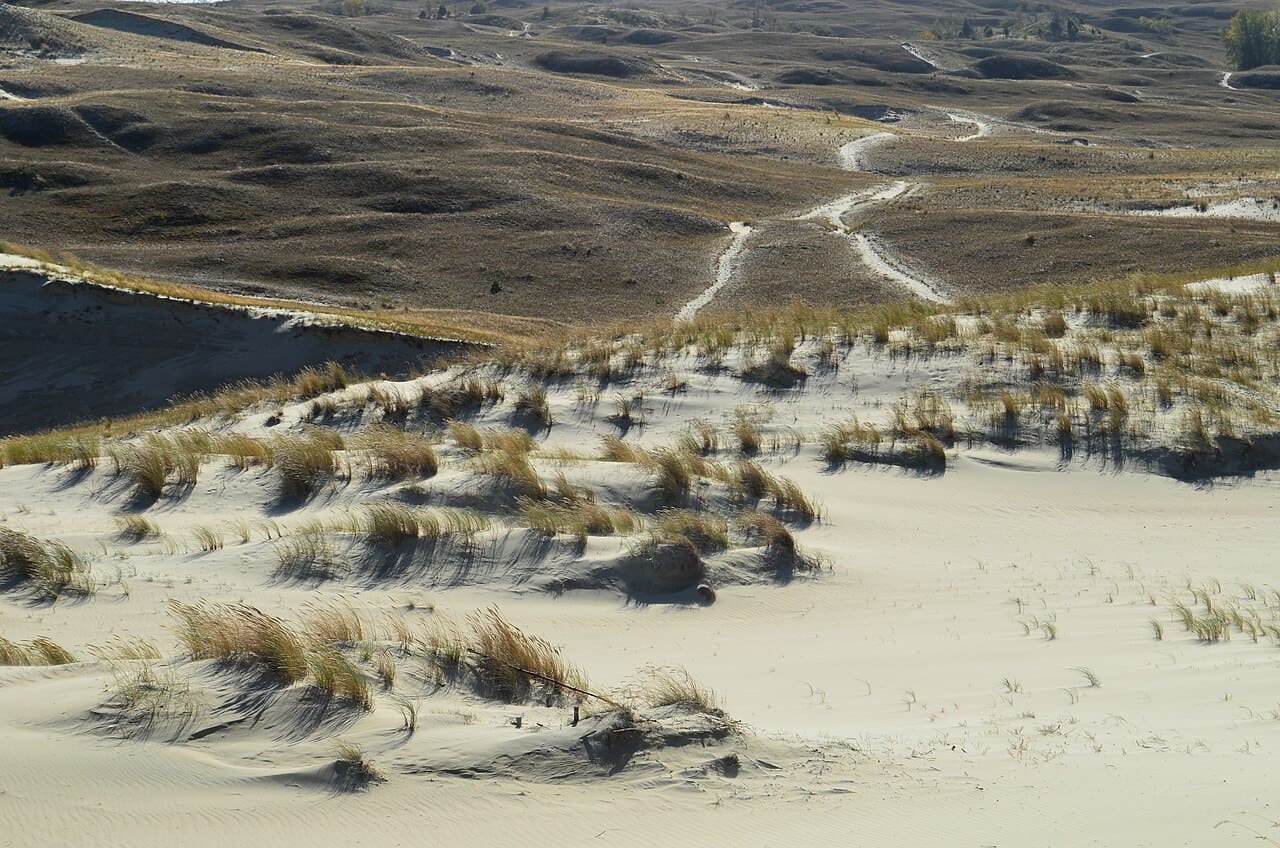
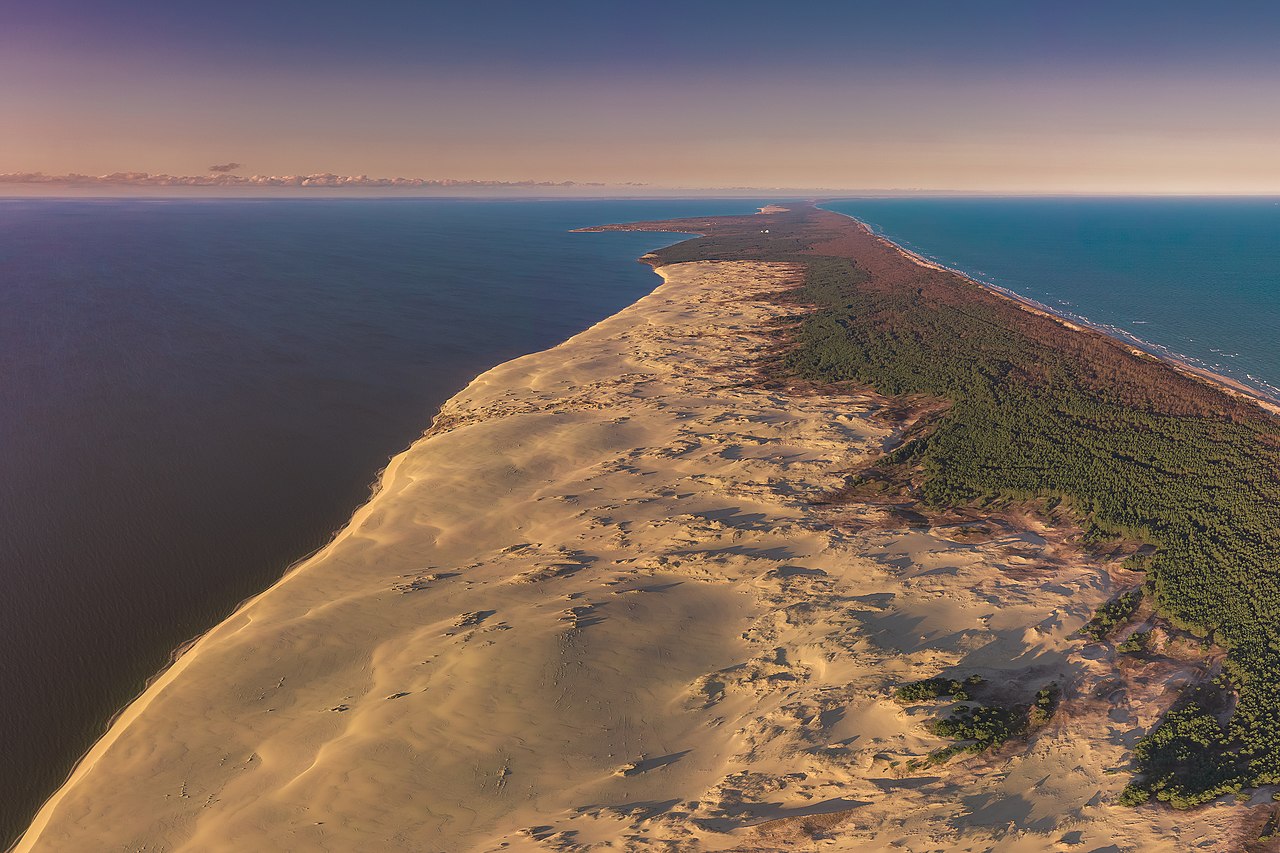
A 98-kilometer sand spit, only 400 meters wide at its narrowest point, with half of it inside Russian territory. The landscape here is not entirely natural: when forests were cleared in the 16th–18th centuries, freed dunes began moving and buried nearly fourteen villages. The massive reforestation campaign that began in the 19th century stopped the sand, so the scenery you see today is the result of a rescue operation; the area joined the UNESCO list in 2000. Thomas Mann spent the summers of 1930–32 at his house in Nida.
Quick facts
- Area
- 33,021 hectares
- Heritage status
- World Heritage Site
Facts from Wikidata, photos from Wikimedia Commons.
Did you know?
How did this sand spit form?
The narrow 98 km strip was built up over 5,000 years by wind and sea currents. At its narrowest it is only 400 m wide, and it is divided between two countries.
Why were the dunes planted with forest?
Overlogging in the 18th and 19th centuries set the dunes moving and they buried 14 villages. A vast afforestation programme stabilised them, and today's forest is the result of that intervention.
Which writer lived in Nida?
The Nobel laureate Thomas Mann spent the summers of 1930–32 in a house he built here. It is now a museum and hosts an annual cultural festival.
Why go?
- To see the UNESCO-listed unique dune and coastal ecosystem
- For a calm and distinctive nature route on the Baltic coast
- For photogenic views and walks around Nida
Travel tip
Check transport and ferry plans in advance; this is not a quick city stop — it rewards time.