

Designmuseum Denmark
Ideal: Ideal for design, architecture, and museum lovers.
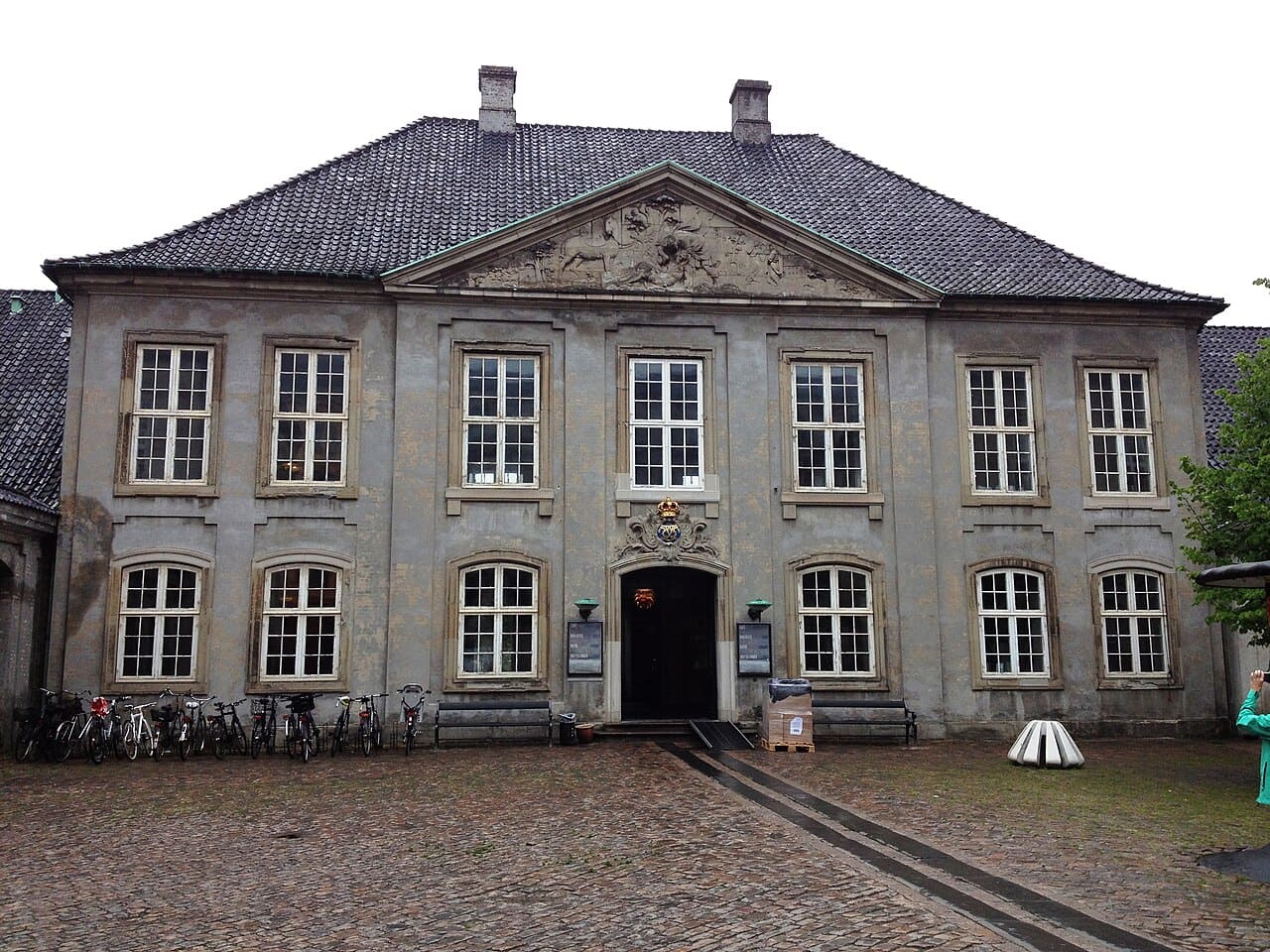
The museum occupies the building of a former royal hospital from 1757; rococo corridors make an unusual setting for 20th-century design. The collection centres on Danish Modern: works by Arne Jacobsen, Hans Wegner, Poul Henningsen, and Verner Panton. The most photographed section is the long chair corridor with iconic chairs of the century arranged chronologically — there you understand why Danish design is so often told through chairs.
Quick facts
- Built
- 1907
- Opened
- 1895
- Annual visitors
- 172,000
- Heritage status
- monument on Kulturstyrelsen register
Facts from Wikidata, photos from Wikimedia Commons.
Did you know?
What was the building originally?
It was built as a hospital in the 18th century, and the Rococo structure was converted into a museum in the 1920s. The long corridors and courtyard layout come from that hospital plan.
What is the link between Danish design and Japan?
The museum's Japanese holdings were a direct source of inspiration for 20th-century Danish designers. The emphasis on simplicity, honest materials and craft came out of that exchange.
What is the chair corridor?
The museum's best-known display: a long corridor showing classic Danish chairs in chronological order, with iconic models by Arne Jacobsen and Hans Wegner side by side.
Why go?
- To see Danish and Scandinavian design heritage
- For rich collections of interior design, fashion, and everyday objects
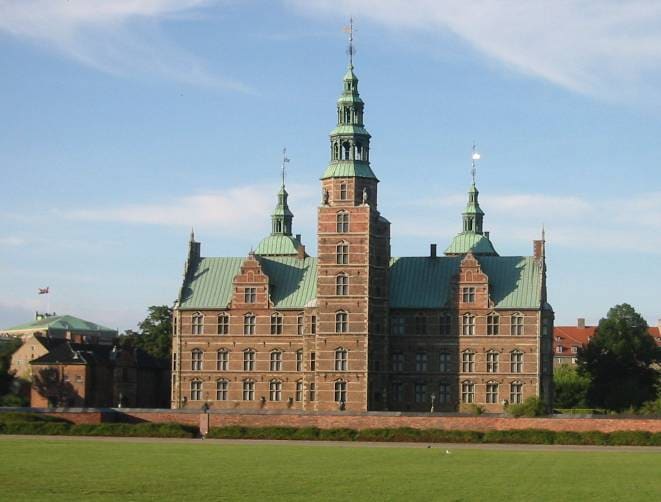
- Because it slots easily into a Rosenborg and central Copenhagen route
Travel tip
If the museum is closed, a short walk in the nearby Frederiksberg gardens completes the route.