Route ideas
Zurich, Lucerne, Interlaken, Zermatt: 9-day Switzerland route
Switzerland is expensive, but it is possible to avoid waste. What determines the cost of the route is not the hotel, but which mountain trains you take and whether you calculated your fare correctly.
FlyVentis editör ekibi tarafından hazırlanmış, seyahat ve etkinlik bilgileri düzenli olarak gözden geçirilen rehber.
The difficulty in setting up a route in Switzerland is not the distance, but the cost. The country is small and its train network is one of the most regular in the world; The distance between two cities rarely exceeds three hours. On the other hand, mountain trains and cable cars are in a separate price category, and a single summit climb can reach 200 francs. So planning for Switzerland starts with deciding which peak you'll climb.
This route is based on 9 days: you land in Zurich, pass through central Switzerland to the Bernese Oberland, reach Zermatt and return from Geneva or Zurich.
Day distribution: how many nights where?
| Stop | Night | Why so much? |
|---|---|---|
| Zurich | 2 | City and lake; arrival day bumper |
| Lucerne | 2 | Lake tour and Pilatus/Rigi peaks |
| Interlaken / Grindelwald | 3 | Jungfrau region, spare days for weather |
| Zermatt | 2 | Matterhorn and Gornergrat |
Zurich and Lucerne
- Lake Zürich starts at the southern end of the city, and the walking path runs along the shore; During the summer months, public swimming areas by the lake turn into the center of city life. Boat tours depart from the center and the short tour lasts one hour.
- Kapellbrücke The symbol of Lucerne: a covered wooden bridge from 1333 and one of the oldest examples in Europe. The history of the city is depicted on the triangular panels under its roof; Most of it was burned in the 1993 fire and some of the panels remained original, but you can tell which ones are new by the color difference.
- The Lake Lucerne boat tour is the best price-performance item of the route: it is carried out with historical steam ships, stops at coastal villages and is free for pass holders. Do this tour even if you're not going to get to the top.
- Rheinfall 50 minutes by train from Zurich: Europe's highest waterfall. You go up to the rock platform by boat and stand in the middle of the water; The flow rate peaks with snow water in the spring.
- Bern Old Town can be added to the route by half a day: the longest covered shopping street in Europe, with its six kilometers of arched arcades, and its entirety is on the UNESCO list. The Zytglogge astronomical clock displays figures every hour.
Jungfrau region and Zermatt
- Jungfraujoch The train station, at 3,454 meters, is the highest in Europe and is accessed through a tunnel carved into the rock; The journey takes 2.5 hours from Interlaken. Above is the ice palace, observation deck and views of the Aletsch Glacier. The single most expensive item of the route; If the weather is cloudy, it should definitely be postponed.
- Grindelwald is the center of the Jungfrau region and much closer to the mountain than Interlaken; From here you can find the First cable car, the cliff walking path and the summer sled. Staying here instead of Interlaken saves an hour on the morning train to the summit.
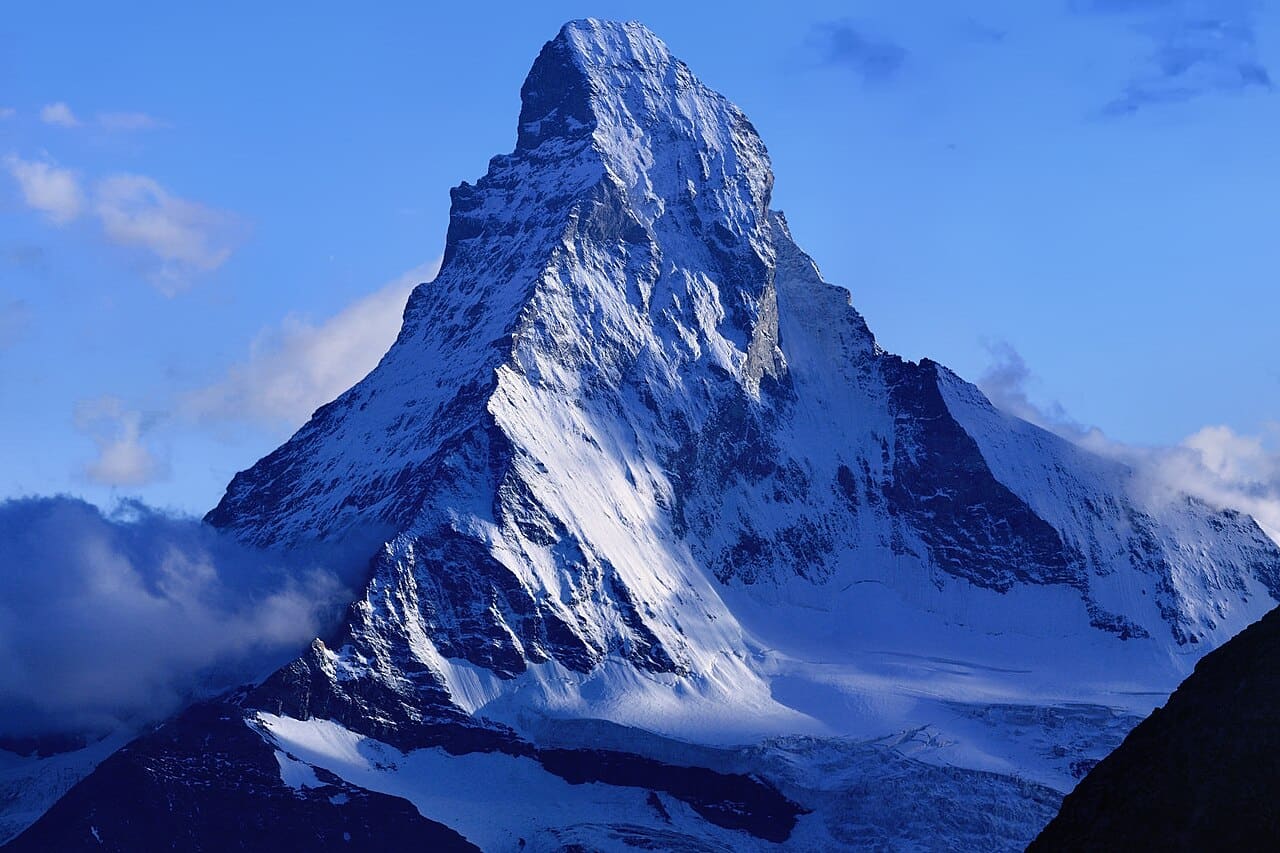
- Matterhorn Above Zermatt and the most recognizable mountain skyline in the world; The pyramid shape comes from the fact that all four faces are almost equal. Zermatt is completely closed to vehicle traffic, the town can be entered by shuttle train from Täsch.
- The Gornergrat cog train ascends to 3,089 meters from Zermatt and the Matterhorn remains on the right side throughout the journey; Sitting by the right window makes a difference. It's noticeably cheaper than Jungfraujoch, and the view is just as powerful.
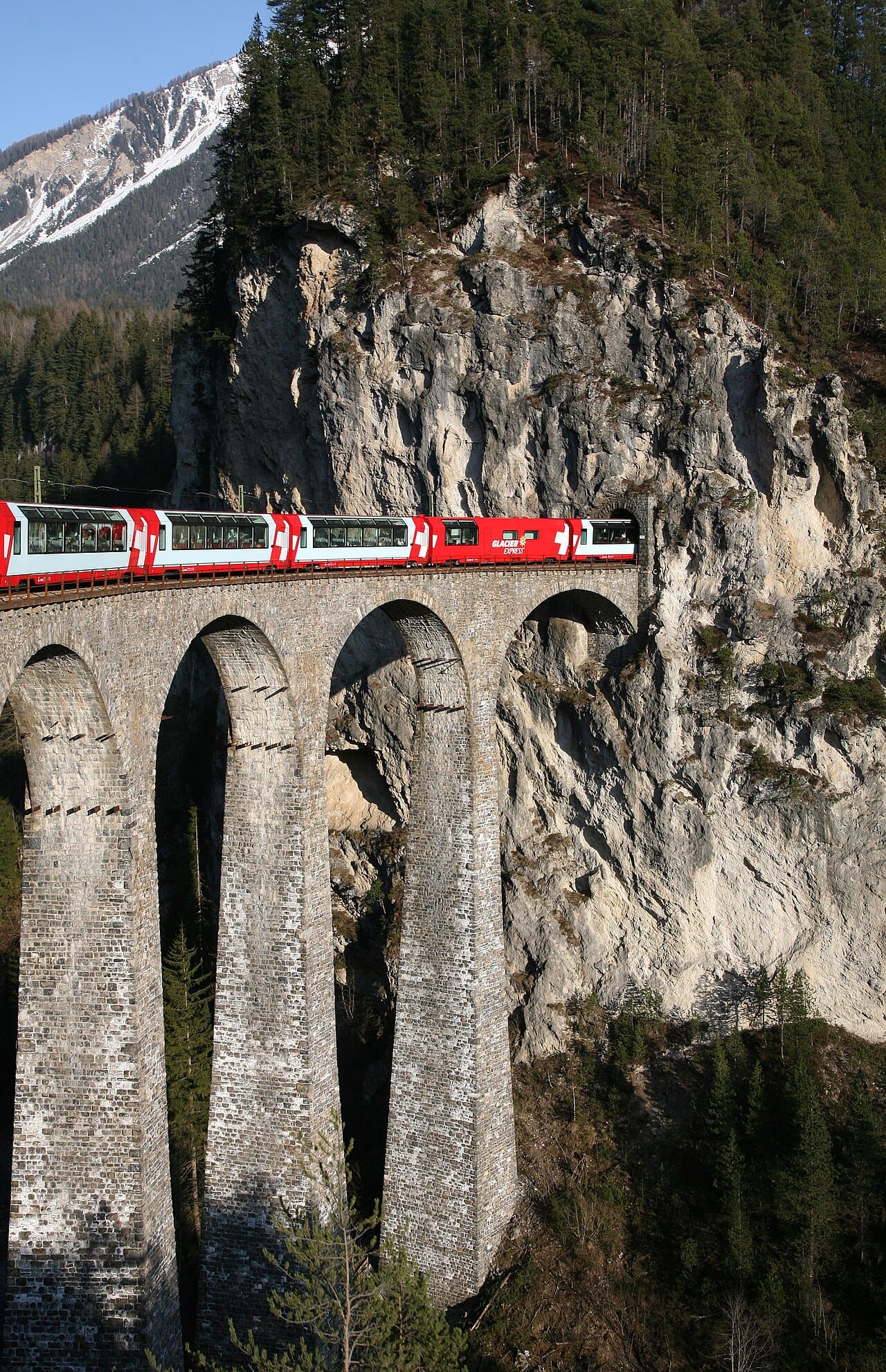
- Glacier Express Zermatt to St. 8-hour panoramic train between St. Moritz; It passes through 291 bridges and 91 tunnels. Reservation is mandatory and has a separate fee; It takes a whole day to make the full line, it is also possible to do a short section.
Swiss Travel Pass account
The pass covers trains, buses and boats across the country, gives free entry to most museums and discounts on mountain trains. Whether it makes sense or not depends entirely on how many legs you will make.
| Situation | Evaluation |
|---|---|
| Average of one long train leg per day | Usually profitable |
| Staying in one city and leaving for the day | Individual tickets are cheaper |
| Many mountain peaks | Rust gives a discount but does not provide full coverage |
| Lake boats and urban transportation | The most invisible advantage of rust |
| Museum entrances | Including over 500 museums to take into account |
- Add up the individual prices of all legs on your route and compare them with the pass price; The Swiss railway's own website allows you to make this calculation.
- The Half Price Card is an alternative option: it's a prepaid discount card and can be dirt cheap for longer stays.
- The pass at the summit ascents usually gives a 25-50 percent discount, it is not free; For pens like Jungfraujoch the gap is still high.
- City public transportation is free in many hotels with an accommodation card; problem at check-in.
| Pen | Economic | Middle | Comfortable |
|---|---|---|---|
| Flight (open jaw) | 120-200 CHF | 200-320 CHF | 320-500 CHF |
| train / pass | 300-450 CHF | 450-650 CHF | 650-900 CHF |
| peak ascents | 150-300 CHF | 300-500 CHF | 500-800 CHF |
| Accommodation (8 nights) | 700-1.100 CHF | 1,100-2,000 CHF | 2,000-3,800 CHF |
| Food and beverage | 350-550 CHF | 550-850 CHF | 850-1.400 CHF |
| Total | CHF 1,620-2,600 | 2,600-4,320 CHF | CHF 4,320-7,400 |
When to go?
Late June to mid-September is the only safe window for the mountain route: hiking trails are open, cable cars are operating at full capacity and visibility at the peaks is best. May and October are midseason; Some cable cars close for maintenance, check before you go. December to March is the ski season and the scenery is spectacular, but hiking routes are closed and prices are near the peak. April-early May is the most uncertain period: spring below, still winter above.
Keep planning
Frequently asked questions
How many days does it take to visit Switzerland?
6 days are enough for a city and a mountain region. 9 days is a realistic lower limit to visit Zurich, Lucerne, the Jungfrau region and Zermatt together; Due to weather risk, it is necessary to leave a spare day.
Should I buy a Swiss Travel Pass?
It's generally profitable if you're doing an average of one long train leg per day. If you stay in one city and move less, individual tickets are cheaper. Add up all the legs on your route and compare them to the pass price.
Is it worth climbing the Jungfraujoch?
If the weather is clear, yes, but it is the single most expensive item of the route. If budget is a concern, Gornergrat is a significantly cheaper alternative with a view of the Matterhorn.
Is it possible to go to Zermatt by car?
No, the town is completely closed to vehicle traffic. The vehicle is left in the parking lot in Täsch and the town can be reached by shuttle train in 12 minutes.