Travel guide
Preparing for high-altitude travel
Fitness does not guarantee protection from altitude illness; sleeping altitude and ascent rate are crucial.
Prepared by the FlyVentis editorial team and regularly reviewed for travel and event accuracy.
CDC states that an unacclimatised traveller sleeping at 2,450 m or higher can be at risk. Entry altitude and subsequent ascent rate strongly affect that risk.
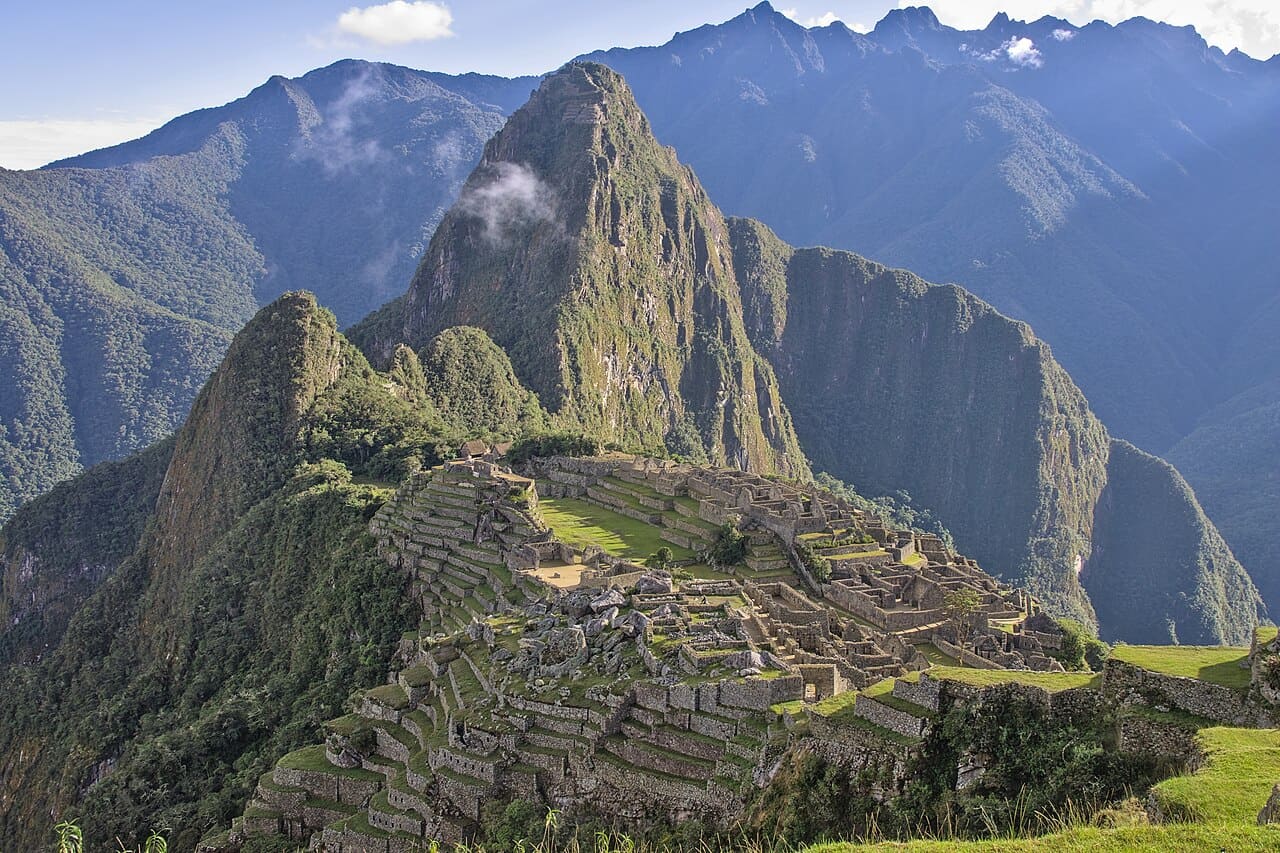
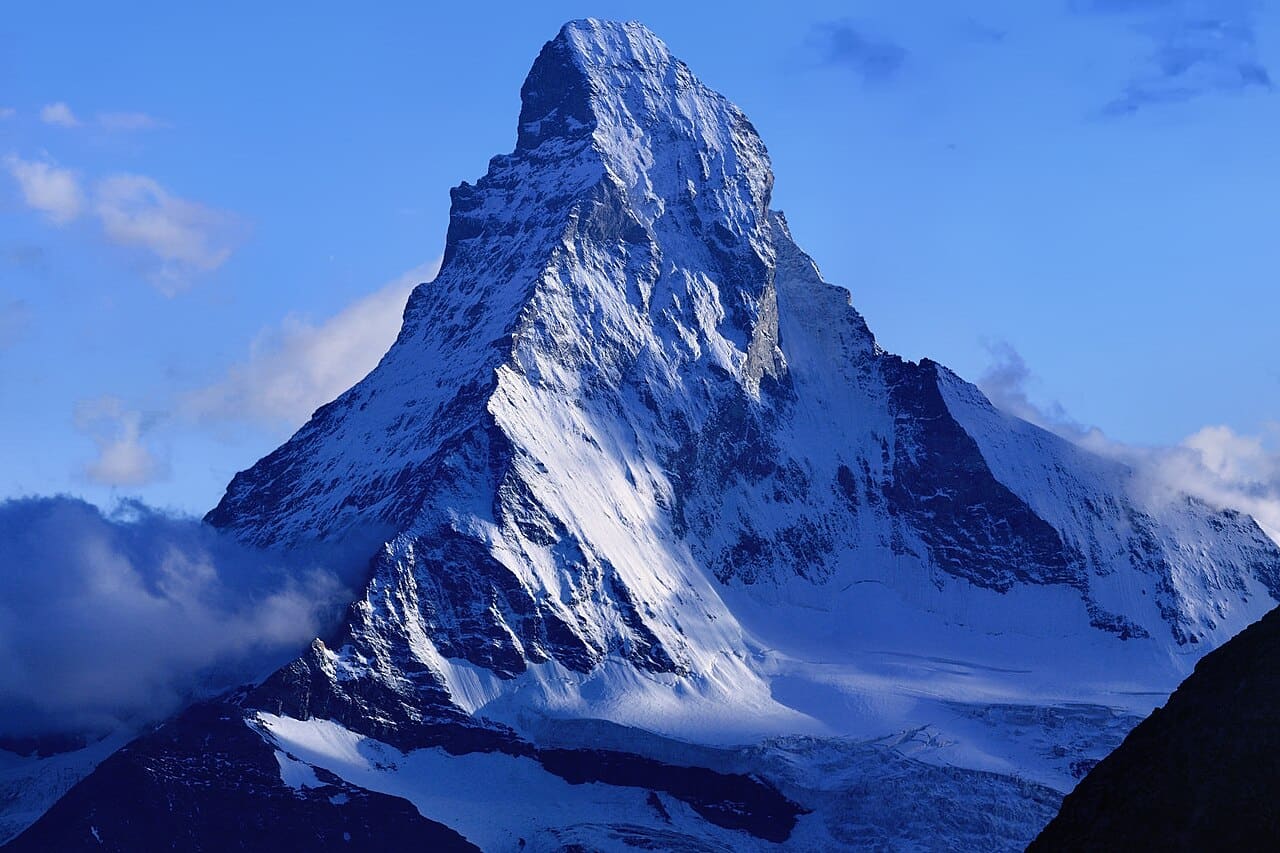
Do not copy a generic Peru itinerary or Switzerland route without adding day-by-day sleeping altitudes.
Track sleeping altitude
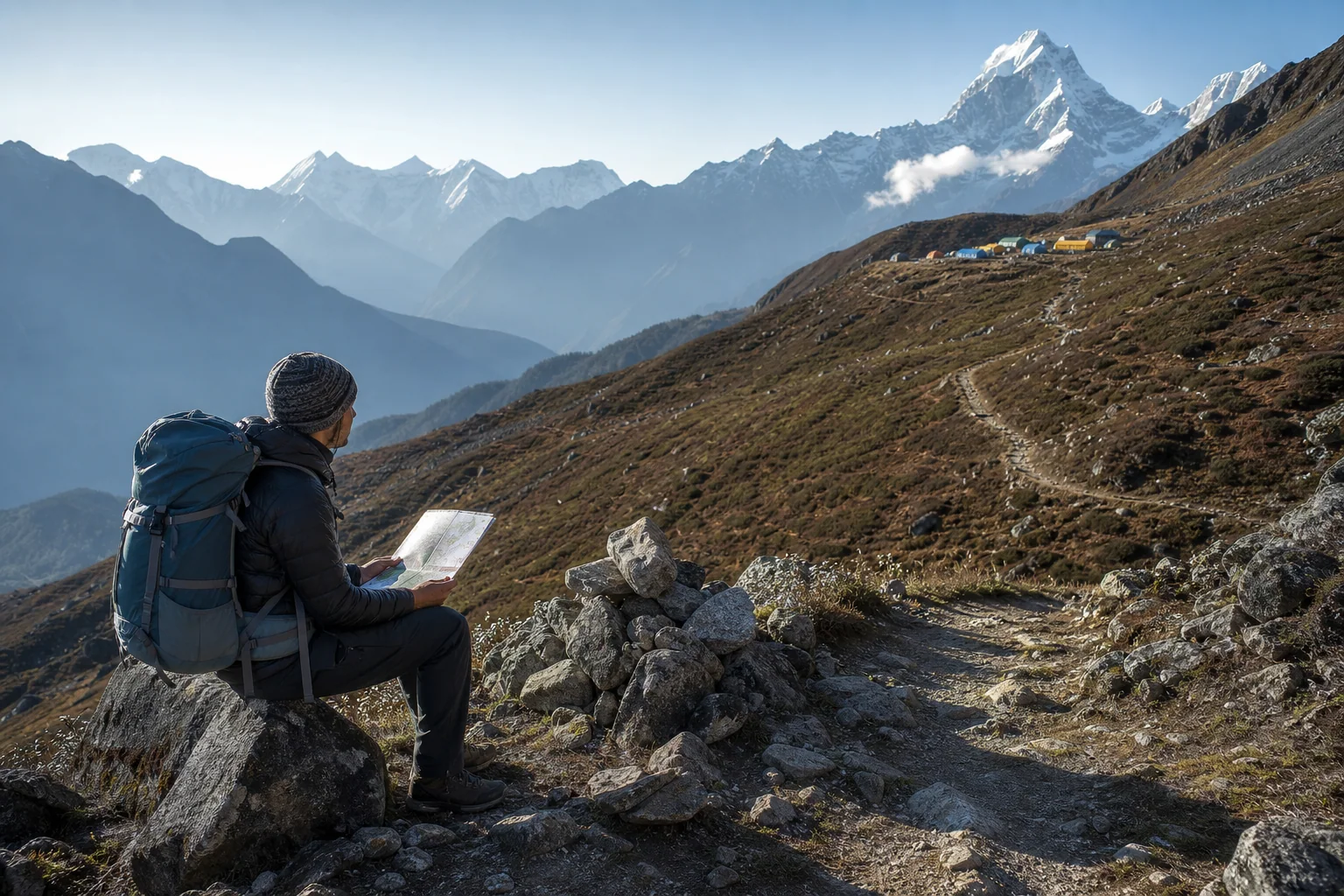
The highest daytime point matters, but where you sleep is central to acclimatisation. Build gradual ascent and recovery time into the route.
Practical checklist
- Know early symptoms such as headache and nausea.
- Do not ascend to sleep higher while symptomatic.
- Descend if symptoms worsen at the same altitude.
- Plan communication and evacuation in remote areas.
Who needs medical review?
Travellers with heart or chronic lung disease, pre-existing low oxygen, sleep apnoea or sickle-cell trait should seek advice from a clinician familiar with altitude medicine.
Continue planning
Frequently asked questions
Does physical fitness prevent altitude illness?
No. Fitness does not remove the risk.
What should the itinerary record?
Entry altitude, sleeping altitude and the daily ascent rate.
Can you climb higher with symptoms?
Do not ascend to a higher sleeping altitude; descend if symptoms worsen.