Route ideas
Lima, Cusco, Machu Picchu: 12-day Peru itinerary
In Peru, it's not the distance that determines the route, but the altitude. Cusco is at 3,400 meters and if you do not include the body's adaptation time in the plan, the first two days of the trip will be lost.
FlyVentis editör ekibi tarafından hazırlanmış, seyahat ve etkinlik bilgileri düzenli olarak gözden geçirilen rehber.
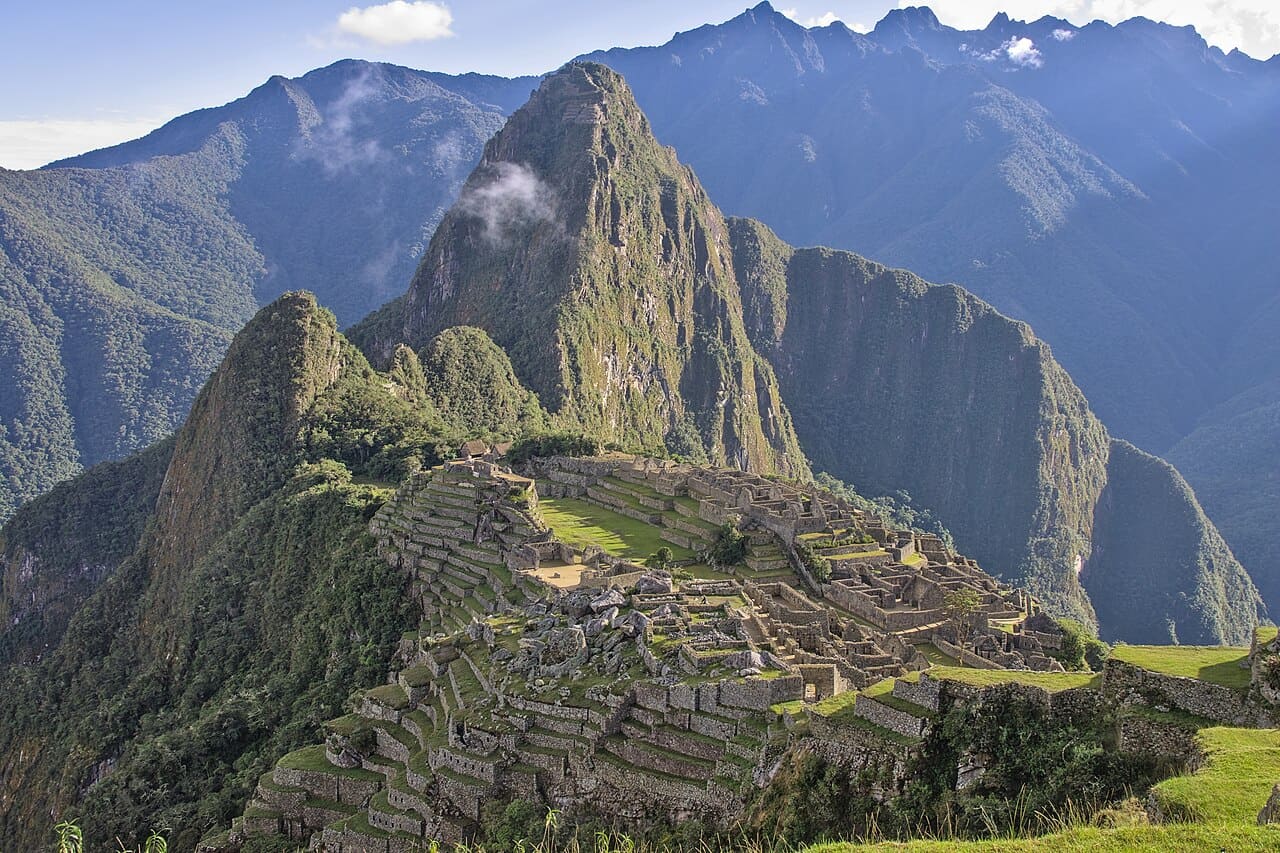
The most critical variable when planning a Peru route is not mileage, but altitude. Lima is at sea level, Cusco is at 3,400 meters, and the flight between them takes only 1 hour and 20 minutes. The body cannot handle this difference in one hour; Every day not set aside for adaptation is stolen from the later part of the trip. A well-established Peruvian route is therefore sorted by elevation, not geography.
This route is based on 12 days: it starts in Lima, gets acclimatized in Cusco and the Sacred Valley, reaches the top at Machu Picchu, and descends south to the Arequipa side.
Day distribution: how many nights where?
| Stop | Altitude | Night | Why so much? |
|---|---|---|---|
| Lima | 0m | 2 | Historical center and Miraflores; buffer for jet lag |
| Sacred Valley | 2,800m | 3 | Low from Cusco, the right start for harmony |
| Machu Picchu | 2,430 m | 1 | One night in Aguas Calientes, early morning check-in |
| cusco | 3,400m | 3 | City, surrounding ruins and Rainbow Mountain |
| Arequipa / Colca | 2,300m | 3 | City one day, canyon two days |
Lima: two nights is enough
Lima is seen as just a gateway on most routes, but spending two nights at sea level after a long flight makes sense, both from jet lag and altitude. Lima historical center is on the UNESCO list and can be visited in half a day; the remaining time is devoted to the Miraflores beach and the Barranco neighborhood.
- Urban distances are long and traffic is heavy; It may take 45-60 minutes between the center and Miraflores during the day.
- Lima is one of the strongest cities on the continent in terms of gastronomy; Reservations at good restaurants are filled weeks in advance.
- From May to November the city is under a constant gray fog; This is normal, it does not rain but the sun does not appear either.
Sacred Valley and Machu Picchu
Sacred Valley is both at the right altitude for the fit and the least crowded section of the route. The ruins of Pisac and Ollantaytambo are here; Ollantaytambo is also the departure point for trains to Machu Picchu, so spending the last night there makes the morning train easier.
Entrances to Machu Picchu are quota and limited hour by hour by the government. Tickets are purchased from the official sales system; During high season (June-August) popular watches sell out months in advance. Be careful which circuit you choose when buying a ticket: each circuit tours a different part of the area and there is no transfer between circuits inside.
- Get your Machu Picchu ticket as soon as the date is confirmed; Train ticket and hotel can be adjusted later, entrance quota cannot be adjusted.
- The train from Ollantaytambo to Aguas Calientes takes 1 hour and 40 minutes; The first flight in the morning gives the quietest visit.
- The bus from Aguas Calientes to the area is 25 minutes and the queue in the morning is long; Buy your bus ticket the day before.
- Climbing Huayna Picchu or Machu Picchu Mountain is sold with separate tickets and has a separate quota.
- There is one-way circulation in the area: you cannot turn back, so plan the route at the entrance.
Cusco and surroundings
Cusco is a colonial city built on the Inca capital; Baroque churches stand on top of stone walls. The city center is walkable but the streets are steep, even a short incline at 3,400 meters will be breathtaking.
- Rainbow Mountain (Vinicunca): mountain where the mineral layers on the slope form red, yellow and turquoise stripes; The colors emerged over the last decade as the glacier receded. The tour leaves Cusco at 3 a.m. and the summit is at 5,036 meters, more than twice as high as Machu Picchu. The last hour of walking is breathtaking; Try it only after spending at least three nights in Cusco and getting acclimated.
- Sacsayhuamán: Inca walls made of giant stone blocks just above the city; It can be reached on foot.
- San Pedro market: best stop for local breakfast and juices in the morning.
- The tourist bus from Cusco to Puno stops at the ruins on the way and fills the day.
South: Arequipa, Colca and alternatives
Arequipa is at 2,300 meters, meaning it provides a comfortable descent after Cusco. The city is built of white volcanic stone and is one of the most organized historical regions in central Peru. The Colca Canyon tour from here lasts two days and includes condor observation early in the morning.
- Lake Titicaca: the highest navigable lake in the world, at 3,812 metres. The Uros people live on floating islands made of reed bundles above the lake, and the islands must be re-reeded every few months. The weaving tradition on the island of Taquile is on the UNESCO list. It can be reached by boat from Puno; The altitude is higher than Cusco, do not leave before the adaptation is completed.
- Nazca Lines: giant animals and geometric figures etched into the desert floor, some exceeding 300 meters tall; They have remained intact because they have not received rain for two thousand years. The purpose for which they were built is still controversial. It can only be seen by plane and the flight takes 30-35 minutes; Nausea is very common as small planes constantly tilt their wings to show off the figures. Morning flights are less turbulent, do not eat heavily beforehand.
- Huacachina: an oasis with a population of less than a hundred people, built around a natural lake in the middle of the dunes; Peru's 50 sol banknote features this scene. Touring the hills with buggy vehicles and sledding on the sand. Tours depart at sunset, that is the best time. 4 hours by bus from Lima.
- Ballestas Islands: rocky islands where sea lions, Humboldt penguins and tens of thousands of seabirds live; Due to the dense bird population, fertilizer mining was done for a while. The boats do not land, the tour takes two hours around the islands. It leaves Paracas early in the morning, the sea is calmer at that time.
- Iquitos: the world's largest city inaccessible by road; Every entrance and exit is either by plane or by river. It's the main gateway to the Amazon and the lodge accommodations are a few hours by boat from the city. Pink river dolphin requires at least three days with sloth and night walks. Yellow fever vaccine is recommended; consult your doctor for malaria prophylaxis.
| Pen | Economic | Middle | Comfortable |
|---|---|---|---|
| Domestic flights | $120-190 | $190-$300 | $300-450 |
| Machu Picchu ticket + train + bus | $150-200 | $200-300 | $300-500 |
| Accommodation (11 nights) | $220-$380 | $380-700 | $700-$1,400 |
| Food and beverage | $150-250 | $250-400 | $400-700 |
| Tours and entrances | $150-250 | $250-400 | $400-700 |
| Total | $790-$1,270 | $1,270-$2,100 | $2,100-$3,750 |
When to go?
The dry season in the Andes is May to September: skies are clear, trails are dry, nights are cold. This is also the most crowded and expensive period. April and October are intermediate seasons; It rains occasionally, but the crowds are noticeably smaller. January to February is the peak rainfall and the Inca Trail hike is completely closed for maintenance in February.
Keep planning
Frequently asked questions
How many days does it take to visit Peru?
9 days is the lower limit for Lima, Cusco and Machu Picchu. When Arequipa and Colca Canyon are added, 12 days gives a comfortable pace; If you add Amazon or Titicaca, increase to 15 days.
When should you buy Machu Picchu tickets?
At least two-three months before during high season (June-August). Admissions are sold by hourly quota, and popular circuits sell out quickly. Do not make train or hotel reservations without purchasing tickets.
How to avoid altitude sickness?
Build the route from low to high, go to the Sacred Valley the day you land in Cusco, avoid heavy walking and alcohol in the first 48 hours, drink plenty of water. If the symptoms do not go away or shortness of breath begins, descending is the only solution.
Is domestic flight necessary in Peru?
In practice yes. It takes over 20 hours from Lima to Cusco by road. Flights are short and cheap if booked early; the bus only makes sense on short, scenic lines like Cusco-Puno.