Travel guide
Cold-weather travel safety: layers, routes and warning signs
Cold safety is more than a thick coat: wind, wet clothing, waiting time and the journey back all matter.
Prepared by the FlyVentis editorial team and regularly reviewed for travel and event accuracy.
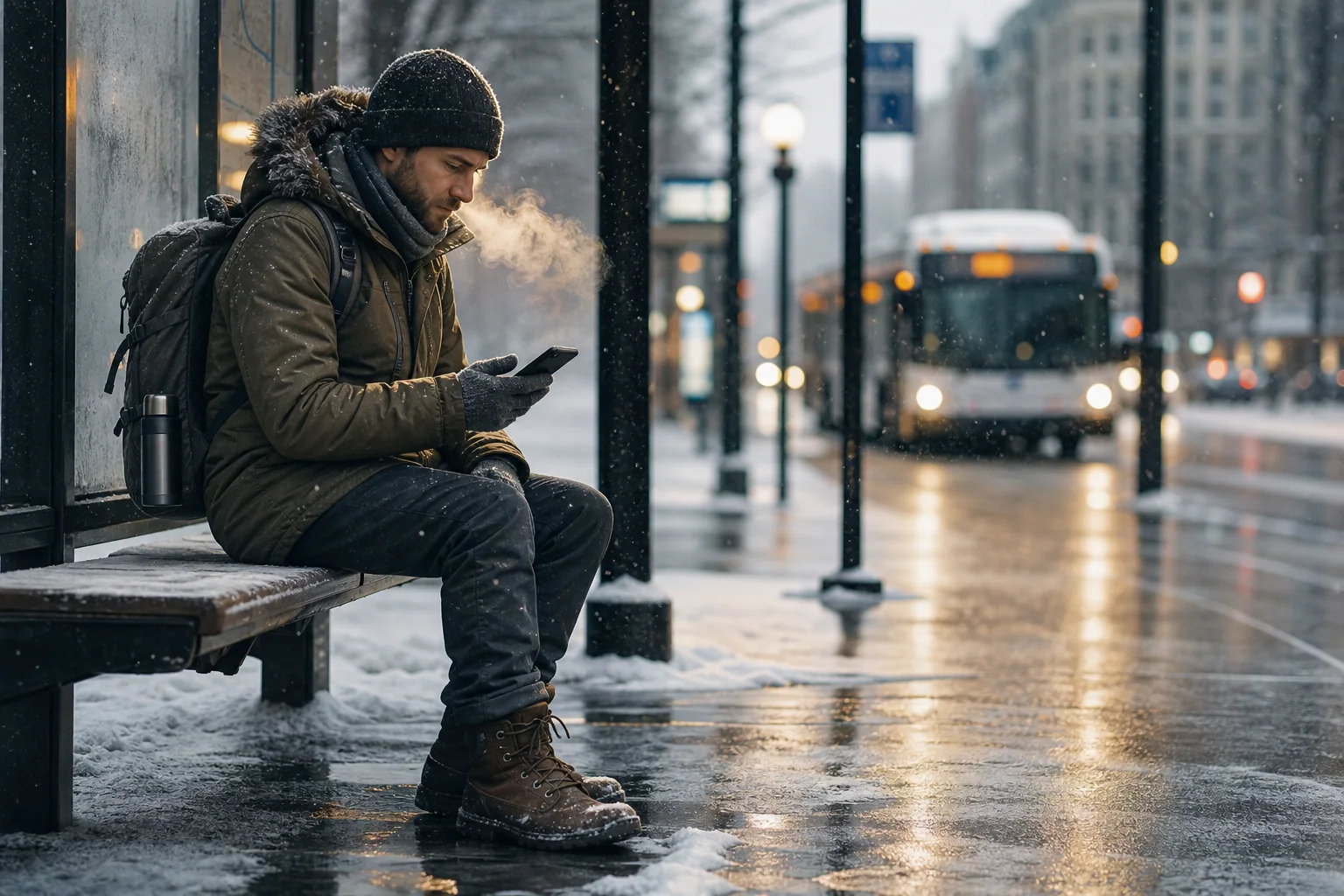
Temperature is only one part of winter risk. Wind, wet clothing, exposure time and fatigue also matter. CDC identifies suitable clothing and equipment as central to preventing cold-related illness.
Build winter buffers into transport using the airport timing guide, and adapt the capsule packing guide for functional layers.
Give every layer a job
| Layer | Purpose |
|---|---|
| Base | Move moisture away from skin |
| Middle | Retain warmth |
| Outer | Block wind and precipitation |
| Accessories | Protect head, hands, neck and feet |
Do not dismiss wet clothing
Sweat, snow and rain can accelerate heat loss. Adjust pace to avoid heavy sweating, carry spare socks and gloves, and identify indoor warm-up points along the route.
Recognise early warning signs
Cold injuries can require medical assessment. Do not rub numb or frozen-looking tissue or apply intense direct heat; move to safety and follow local emergency advice.
- Take uncontrolled shivering and loss of dexterity seriously.
- Do not rub pale, waxy or numb skin.
- Seek urgent help for confusion, slurred speech or marked drowsiness.
- End the plan if safe rewarming cannot be maintained.
Build a route B
Prepare for cancelled transport, closed roads and early darkness. Keep the phone warm and dry and save tickets, maps and addresses offline. Compare remote or long outdoor activities with the travel-insurance guide.
- Check hourly weather and official transport alerts.
- Share a solo route with someone.
- Carry a warm drink and energy source; do not rely on alcohol.
- Turn back when conditions deteriorate.
Continue planning
Frequently asked questions
Is one thick coat enough?
Not always. Separate moisture, insulation and weather-protection layers are more adaptable.
Should frozen skin be rubbed?
No. Move to safety and seek medical advice because rubbing can damage tissue.
What is often missed in winter plans?
Stationary waiting, wet clothing and disruption to the return journey.