Travel guide
Travelling with epilepsy: medication, sleep and emergencies
Epilepsy does not automatically prevent travel; the priority is stable control, uninterrupted medication and a clear seizure plan.
Prepared by the FlyVentis editorial team and regularly reviewed for travel and event accuracy.
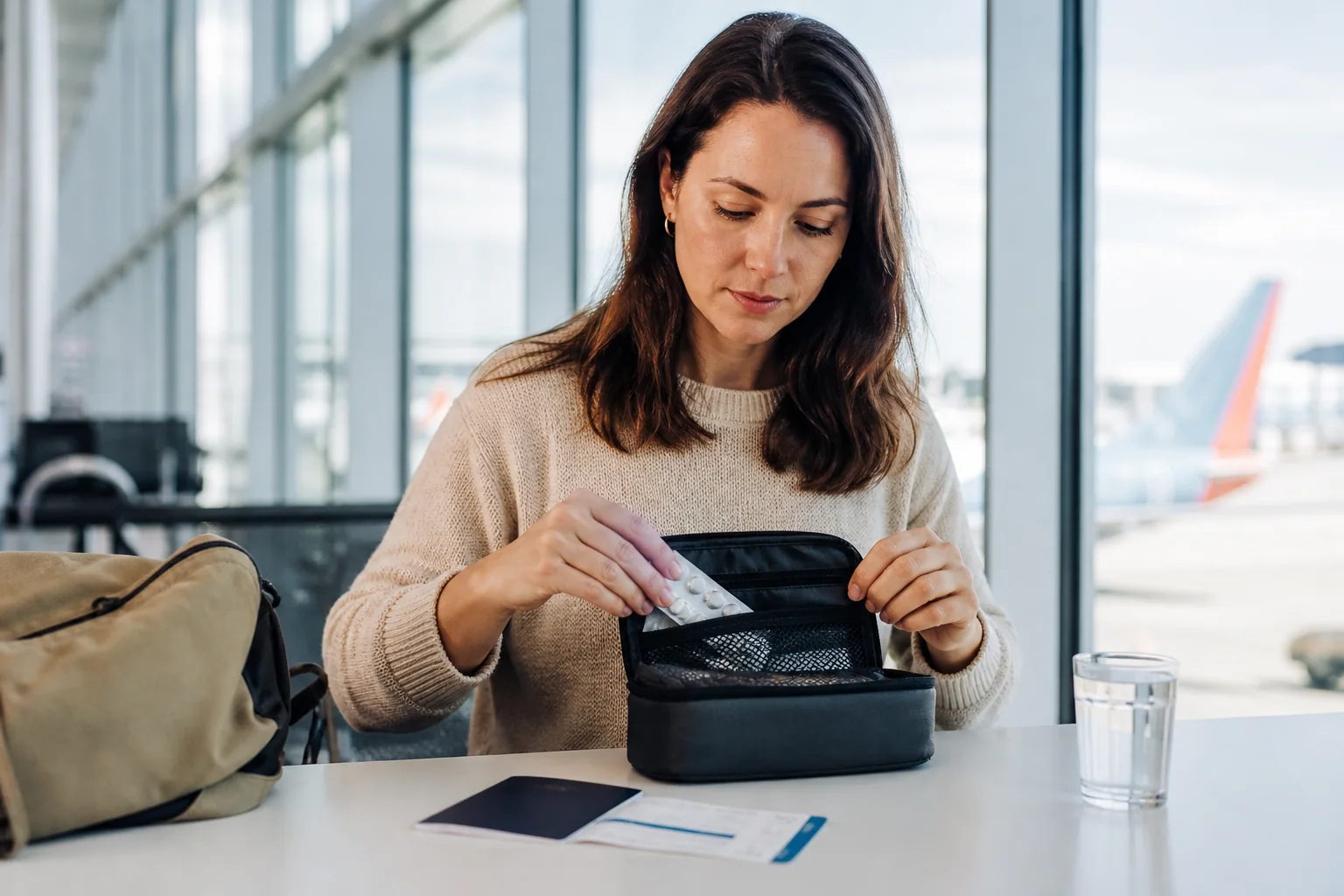
Epilepsy alone does not mean that a person cannot travel. A recent seizure, new diagnosis, medication change or uncontrolled seizures need an individual fitness-to-travel review; CDC advises delaying after a recent or new-onset seizure until the condition is stable on medication.
Keep essential treatment in cabin baggage and check destination rules with the medication travel guide. Build extra airport time with the airport timing guide.
Plan treatment around the time-zone change
Sleep loss, missed doses and long travel days can matter for some people. Do not adjust a dose from a generic online chart; ask the clinician who manages your epilepsy for a written schedule.
- Carry generic medicine names and doses.
- Pack enough cabin-bag medicine for delays.
- Describe your seizure type and usual first aid on a short card.
- Tell a companion when emergency help is required.
Protect routine in transit and at the destination
Avoid unnecessarily tight connections and protect sleep. Review personal hazards in accommodation and activities instead of relying on a one-size-fits-all restriction.
Carry a simple seizure information card
Include diagnosis, medicines, allergies, an emergency contact and your personal first-aid instructions. During most seizures, do not restrain the person or put anything in their mouth; make the area safer and time the event.
| Check | Purpose |
|---|---|
| Diagnosis and seizure type | Clinical context |
| Medicines and allergies | Safer treatment |
| Emergency contact | Fast communication |
| Personal emergency threshold | When to call for help |
Official source
Frequently asked questions
Does epilepsy prevent flying?
Not automatically. Recent, new-onset or uncontrolled seizures require an individual medical and, where relevant, airline assessment.
Should medication time change across time zones?
It may, but the schedule depends on the medicine, dose and journey. Get a personal plan.
Should anything be placed in the mouth during a seizure?
No. Do not restrain the person or place objects in the mouth; follow the personal emergency plan.