Flight tips
How to plan air travel after surgery
There is no universal waiting period after surgery; procedure type, recovery, trapped gas and clot risk all matter.
Prepared by the FlyVentis editorial team and regularly reviewed for travel and event accuracy.
The safe time to fly after surgery depends on the procedure, healing, complications and journey. CDC advises people—especially after abdominal, chest or intraocular procedures—to consult their surgeon because cabin pressure can affect enclosed gas.
Prepare wound-care supplies and medicine with the medication guide, and discuss prolonged sitting using the blood-clot guide.
Ask the surgeon a flight-specific question
Do not treat a generic number of days online as personal clearance. The surgeon's opinion and the airline's medical requirements both apply.
- State the procedure and date.
- Ask about trapped gas, drains and wounds.
- Review clotting and bleeding risk.
- Get personal warning signs in writing.
Reduce the airport and cabin workload
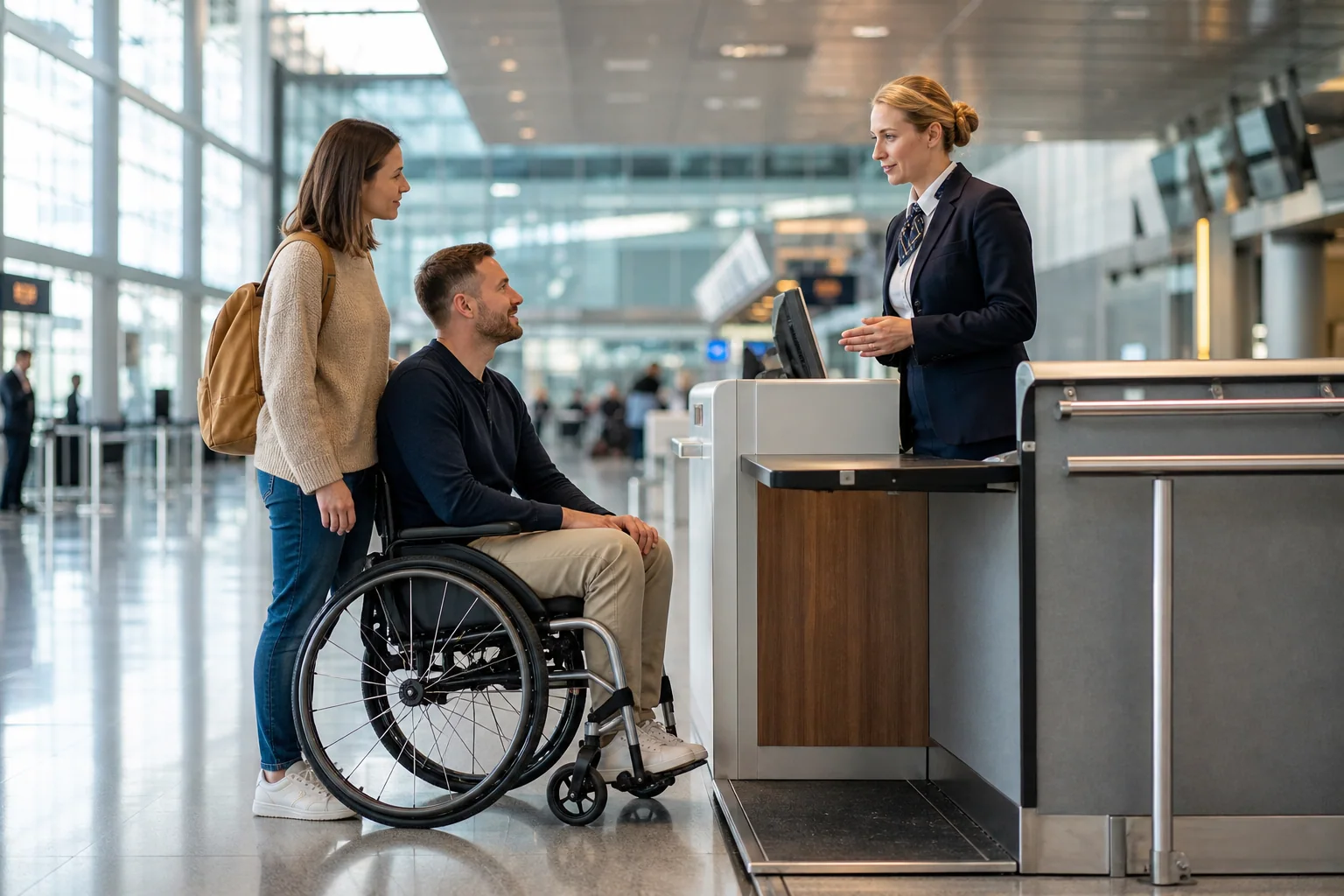
Request mobility assistance early, avoid heavy bags and allow generous connection time. Follow only your discharge plan for movement, pain control and wound care.
Arrange care at the destination
Plan dressings, suture review or rehabilitation before travel. Do not assume recent surgery or complications are insured; use the insurance guide to obtain written confirmation.
| Check | Purpose |
|---|---|
| Medical fitness | Surgeon/team |
| Acceptance to fly | Airline |
| Assistance | Airport/airline |
| Complication cover | Insurer |
Official source
Frequently asked questions
How many days after surgery can I fly?
There is no single interval. Get personal clearance based on the procedure and recovery.
Is a doctor's letter enough for the airline?
Not always. The airline may require its own form, waiting period or companion.
Can I fly after eye surgery?
Not while an intraocular gas bubble remains. Your eye surgeon must confirm it is gone.