


Stonehenge
Ideal: Ideal for archaeology, mysterious history, photography, and day-trip routes.
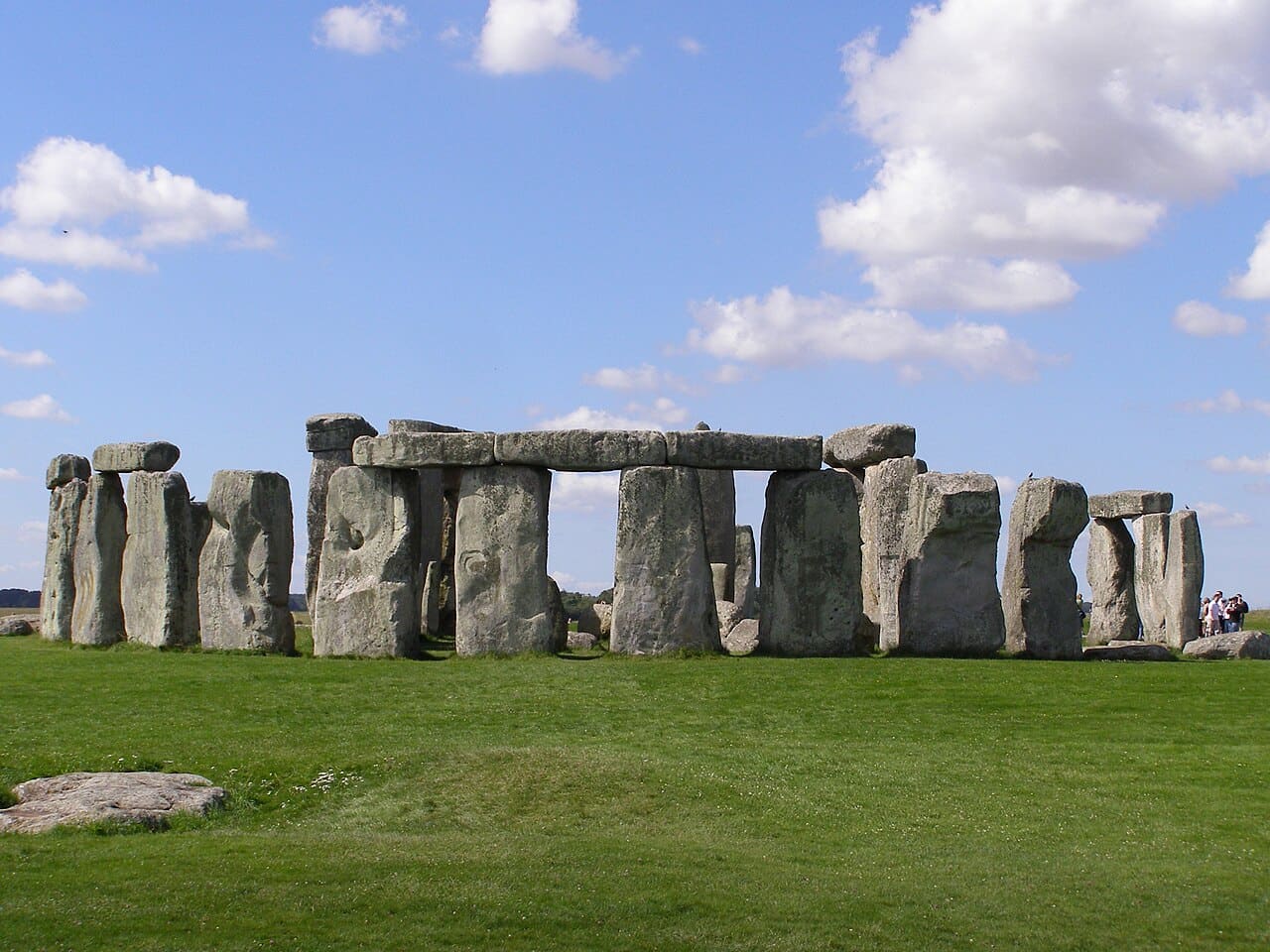
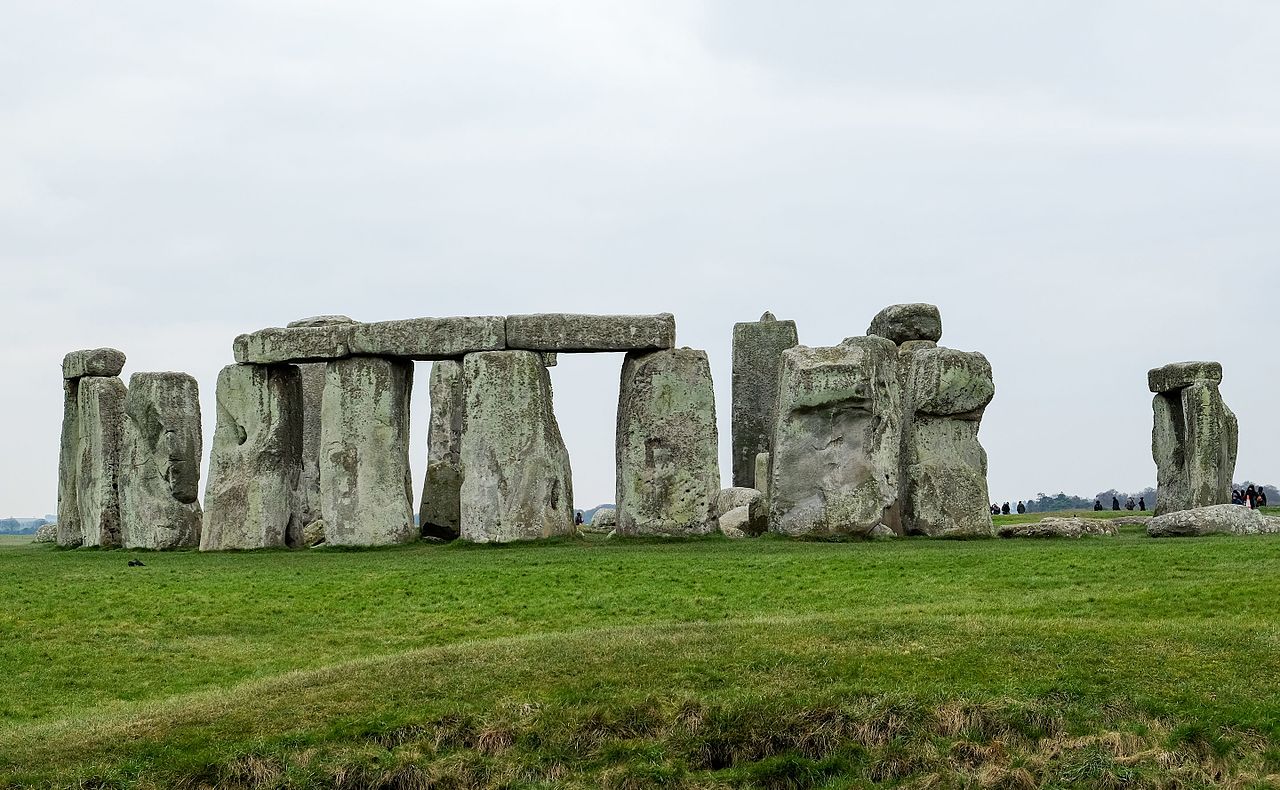
Stonehenge, on Salisbury Plain, is one of Europe's most striking prehistoric monuments, with a history of roughly five thousand years. How the great stones were moved and which ceremonies they served remains uncertain, but their relationship to the sun's movement deepens the site's mystery. The visitor center helps explain the stone circle together with the surrounding archaeological landscape.
Quick facts
- Built
- 30th century BC
- Architectural style
- prehistoric Britain
- Annual visitors
- 1.3 million
- Heritage status
- scheduled monument
- Material
- sarsen
Facts from Wikidata, photos from Wikimedia Commons.
Did you know?
Where did the stones come from?
The smaller bluestones came from the Preseli hills in Wales, roughly 250 km away. The huge sarsens came from the Marlborough Downs 25 km to the north, the heaviest weighing over 25 tonnes.
How old is the monument?
The stone arrangement you see dates to around 2500 BC — roughly contemporary with the Giza pyramids. The earthwork bank and ditch on the site are about 500 years older still.
How are the stones fixed together?
With joints borrowed from woodworking: lintels sit on projecting tenons atop the uprights and lock into each other with tongue-and-groove ends. The ring of lintels was even carved to a curve.
Why go?
- To see the Neolithic stone circle up close
- To explore sunrise and seasonal alignments
- To make a day-trip history route from London
Travel tip
The site is open and windy; dress for the weather. Special access to the stone circle requires advance booking.