Travel guide
London travel guide: districts, museums and the real budget
London has a reputation for being expensive, yet its best museums are free. The real work is grouping the districts and using the travel card properly.
FlyVentis editör ekibi tarafından hazırlanmış, seyahat ve etkinlik bilgileri düzenli olarak gözden geçirilen rehber.
London is not a single-centre city: Westminster, the City, the South Bank, Camden and East London all have their own character. The most common first-visit mistake is lining up the landmarks without looking at a map and then spending half the day on the Underground.
The good news: most of the big museums are free, so the real budget lines are accommodation, transport and food. Four full days cover the central districts comfortably; how to calculate a travel budget helps you separate the items.
Transport: contactless is the practical answer
Tapping in with a contactless bank card or phone is usually more practical than buying a separate visitor card; the daily and weekly caps apply automatically. Use the same card for the whole trip, otherwise the cap is split across accounts.
The Underground works on zones; most central stations are in zones 1-2. For foreign card fees, see paying by card and cash abroad.
- Walk short hops instead of taking the Tube — central stations are very close together.
- Buses are cheaper than the Tube and far better for seeing the city.
- Choose your airport link in advance — how to choose an airport transfer compares the options.
- For late nights, check which night services run at weekends.
Day one: Westminster and the South Bank
Westminster Abbey, Parliament and Big Ben sit in the same walking area. Crossing Westminster Bridge to the London Eye side splits the day naturally. The riverside walk along the South Bank is one of London's most enjoyable free activities.
Tate Modern and Borough Market sit on the same stretch and both fit comfortably into the day. If you want to end near Tower Bridge, Tower Bridge lit up in the evening makes a good closing shot.
Day two: museums and the royal route
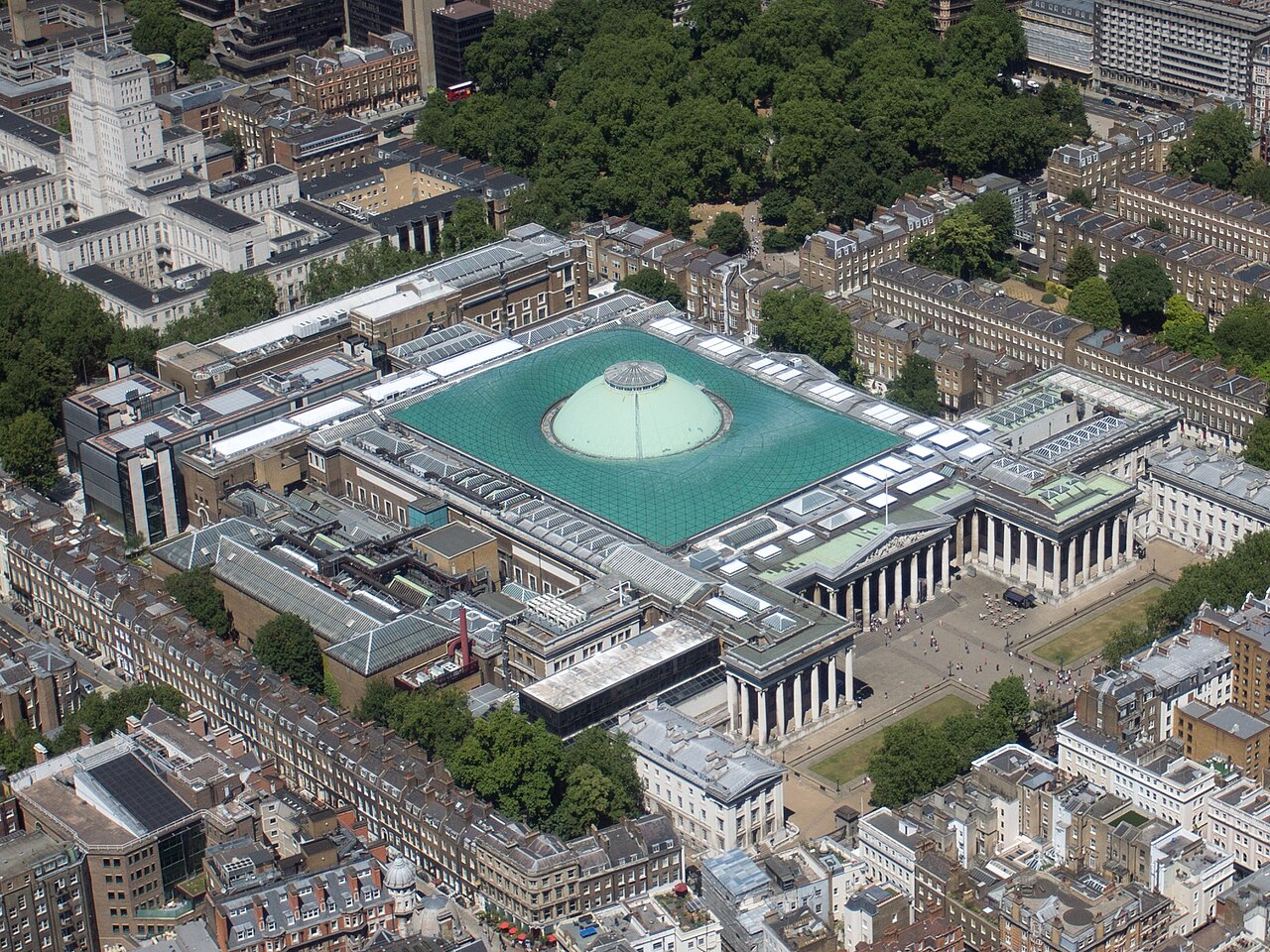
The British Museum takes half a day on its own; picking two or three sections is far more satisfying than trying to see everything. In the afternoon move on to Buckingham Sarayı and St James's Park. The Changing of the Guard does not happen every day — check the official calendar before you travel.
For an art-heavy day, the National Gallery and Trafalgar Square keep you in the same area. If you take exhibition planning seriously, travelling for major exhibitions explains how timed tickets work.
| District | Suitable pace | Highlights |
|---|---|---|
| Westminster-South Bank | Full day | Riverside walk, landmarks |
| Bloomsbury-Soho | Full day | Museums, theatre, food |
| City-Shoreditch | Half or full day | Historic core and street art |
| Camden-Regent's Park | Half day | Market and park |
| Greenwich | Half day | River trip, the meridian |
Day three: stage, markets and neighbourhoods
London's distinguishing feature is its stage programme: West End musicals, concert halls and stand-up all compete for the same evening. When picking ticket categories, look at the seating plan; the logic in stadium concert ticket categories applies indoors too.
Give the daytime to a neighbourhood like Camden, Shoreditch or Notting Hill. On Sundays, Columbia Road and Brick Lane transform the area completely — note in advance which market runs on which day.
Budget: where the money actually goes
In London it is accommodation and food that set the budget, not museums. Staying central saves on transport but raises the nightly rate — strike that balance using the criteria in where to stay in a city.
- Handle lunch from a shop or market and save the restaurant for dinner.
- The donation box at free museums is optional; decide by your budget.
- Check same-day discounts for theatre tickets.
- Rain is possible in any season; planning a trip around the weather covers the backup logic.
Building London into a route
London is a good starting point for a plan running to Scotland or the north of England — the England-Scotland route offers a ready structure. For other stops around the country see the United Kingdom page, and for a match plan the sports events list.
Keep planning
Frequently asked questions
How many days do I need in London?
Four full days cover the central districts and two or three major museums comfortably. Three is possible but leaves no time for the neighbourhoods.
Oyster card or contactless bank card?
For most visitors a contactless bank card or phone is more practical; daily and weekly caps apply automatically. Use the same card throughout the trip.
Are London museums really free?
The permanent collections of the major museums are free. Temporary special exhibitions are usually ticketed and may need booking.
Can I watch the Changing of the Guard any day?
No — the ceremony does not run daily and can be cancelled in bad weather. Check the current schedule on the official page.