Event guide
Which ticket at the stadium concert? Front area, tribune and backstage
The most expensive ticket is not always the best experience. Buying a front area ticket without knowing the stage layout often means investing your money in the crowd rather than the view.
FlyVentis editör ekibi tarafından hazırlanmış, seyahat ve etkinlik bilgileri düzenli olarak gözden geçirilen rehber.

The colorful hall plan on the ticket sales page seems simple at first glance: the one closer to the stage is expensive, the one further away is cheap. In reality, the relationship between price and experience is not that straight. At the same concert, the back half of the front area can be both more expensive and worse than the middle blocks of the opposing stand; Backstage categories give the best price performance on some tours, and are the category that should not be purchased on others.
The only thing that matters is the stage setting. Buying a ticket without knowing the stage type of the tour is making a choice in the dark.
Learn the scene type first
The stage layout is clear from the visuals in the tour announcement and photos of the first few concerts. There are three basic layouts, and each produces a different category map.
| stage setting | How to understand | Best price performance |
|---|---|---|
| classic extreme scene | In the hall plan, the stage is to one side, the back is closed for sale. | Opposite lower stand, middle blocks |
| End stage with long podium | The front area is divided into two blocks, with a corridor in between. | Podium edge front area or side lower tribune |
| Center (360°) stage | The stage is in the middle of the hall, every direction is on sale | The difference decreases; front area and lower stands are equalized |
What is the front area really like?
The front area (floor / standing) is an unnumbered standing area. The entrance order at the door determines your location, not the ticket order. Those who want to stay close to the barricade line up three to four hours before the doors open and stay standing for a total of eight hours until the concert ends.
- The stage is not visible in the back half of the front area: there are thousands of people in front of you, and the giant screens are usually at stage level so you have to look overhead. This area is significantly worse than the lower stands that can be purchased for the same price.
- If you are willing to wait in line early for the barricade, find out in advance about the door opening, the queue rules and whether water is allowed into the area; Some venues take empty water bottles, some do not take anything.
- On stages with podiums, the narrow strip on either side of the podium is the most valuable area of the front area and usually fills up as early as the barricade.
- Instead of recording with your phone in a busy front area, watching a track or two and putting your phone in your pocket saves both the experience and battery life.
- Crowd pressure is a real risk: if you feel stuck, do not wait, signal the officers with a hand signal, there is a team distributing water in front of the barricade in every venue.
Tribune: which block, which row?
- The first 10-15 rows of the lower stands are usually the most balanced choice: you see the stage as a whole, the sound mix is mixed here and you have the opportunity to sit.
- In the side stands, the angle to the stage may be very narrow; In the hall plan, one side of the giant screen is completely covered in blocks angled more than 45 degrees to the stage.
- The front rows of the upper stands often provide better visibility and are cheaper than the back rows of the lower stands.
- If you are sensitive to light and laser, choose side blocks; opposing mid-blocks are the direct target of effects.
What are VIP packages worth and what are they not worth?
VIP packages are divided into two groups: those that actually sell access and those that sell gifts. Making the distinction is possible by pricing the items in the package individually.
| Contents | Is it valuable? | Notes |
|---|---|---|
| Early domain entry | Yes | Gives you the chance to barricade the front area, eliminates waiting in line for hours |
| Separated seating block | Yes | Guaranteed location independent from the crowd |
| Watch a sound rehearsal | Partially | Usually 20-30 minutes, the artist is not always on stage |
| Private bar/lounge | Partially | Saves you from long queues |
| poster, bag, laminate | No | Low cost, high impact on price |
| Meeting the artist | Rarely warranty | If the contract says "possibility", it is not a commitment |
Venue type also changes the category
If you can choose between arena, stadium and private performance hall dates for the same artist, the category logic also changes.
- In fully screen-covered theaters such as The Sphere, the image wraps 360 degrees from all parts of the hall; Here it is important to align with the center of the screen, not proximity to the stage, and mid-height blocks are the best position.
- In acoustically focused halls such as Elbphilharmonie, the architecture is designed so that the sound reaches every seat equally; The cheapest upper balcony seats are not inferior to the front rows in terms of sound, and you can see the entire orchestra from above.
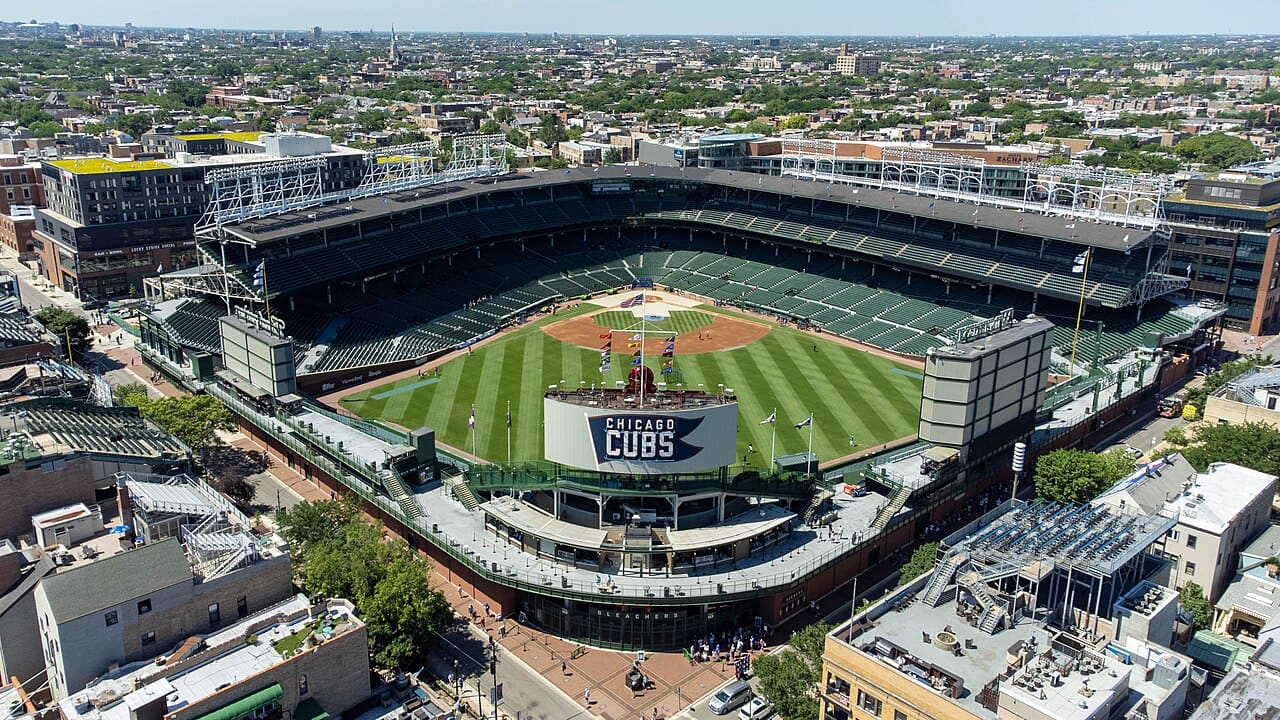
- In sports stadiums such as Wrigley Field and Old Trafford, the concert stage is installed later; In these venues, seats labeled "restricted view" are usually behind pillars, so take the label seriously.
- In ancient open-air venues, for example Aspendos Ancient Theater, the acoustics come from the natural slope and the upper rows even hear whispers from the stage; The cheapest ticket here gives one of the best experiences, but you need to bring cushions for the stone seats.
Keep planning
Frequently asked questions
Is a front-field ticket always better than a grandstand ticket?
No. The stage is often not visible in the back half of the front area, and since the giant screens are at stage level, you cannot see them clearly either. In this case, the lower tribune middle block, which can be purchased for the same money, is better.
Should I buy a backstage ticket?
In tours where center stage is used, yes, it gives the best price performance. In the "limited view" tickets sold at the classic end stage, there is actually a loss of vision.
Is it worth getting the VIP package?
Most of the time, yes if it includes early field entry or reserved seating. If the content consists of posters, bags and laminates, the difference is far above the actual value of the products.
How do I learn the stage layout in advance?
Check out the visuals in the tour announcement and audience photos from the first concerts of the tour. The clearest sign that a center or wide-angle stage is used is if the backstage area is available for sale in the hall plan on the ticket page.