

Saaremaa Island
Ideal: Ideal for island routes, castle architecture, and a calm Baltic escape.
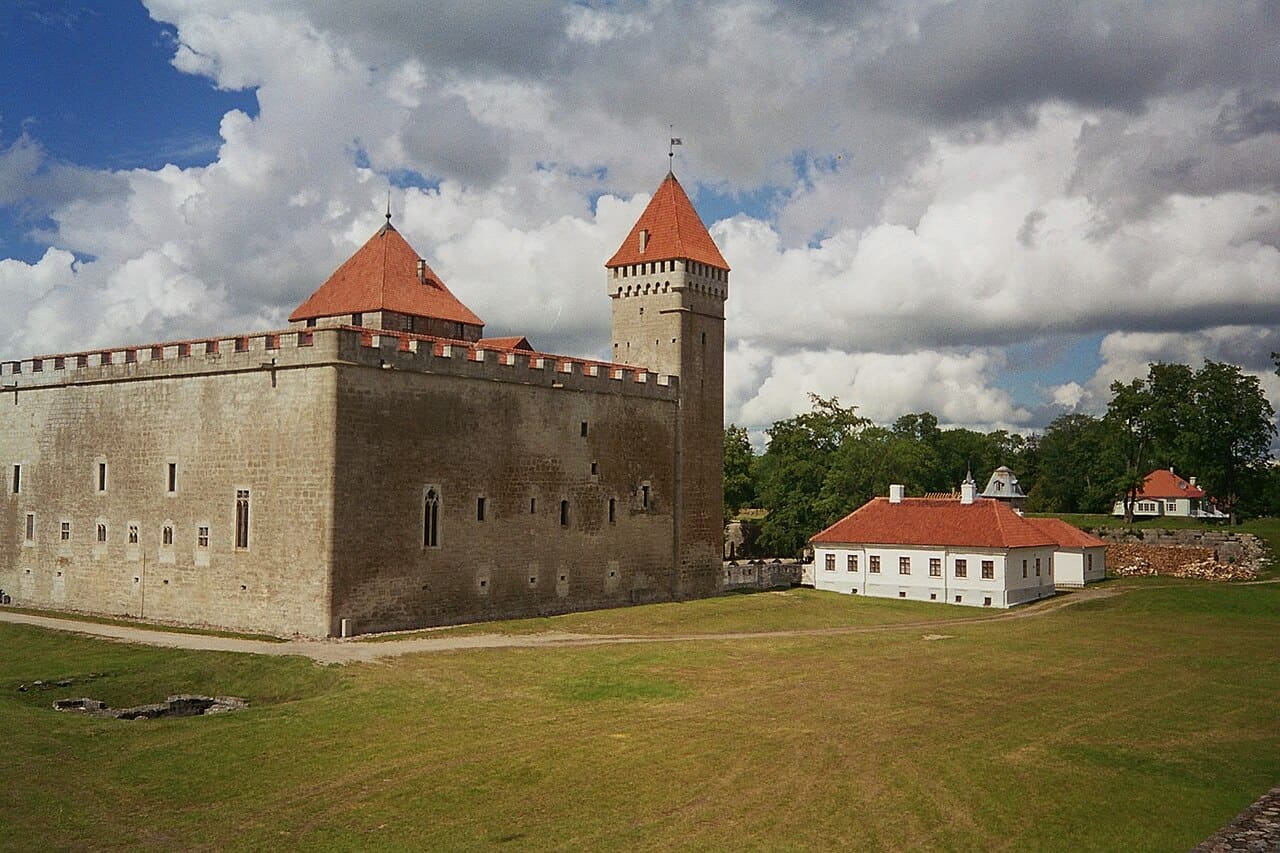
During the Soviet era the island was a closed border zone from end to end, and even Estonians needed permission to enter; the lack of development and the villages staying much as they were is largely a result of that. Kuressaare Castle is the only fully preserved medieval castle in the Baltic countries. At Kaali in the center of the island is a crater lake opened by a meteorite that fell about 3,500 years ago; because the impact happened in an inhabited area, the event is thought to have echoed into Scandinavian mythology.
Quick facts
- Area
- 2,672 km²
- Elevation
- 62 m
Facts from Wikidata, photos from Wikimedia Commons.
Did you know?
How was the crater on the island formed?
The Kaali crater was created by a meteorite about 3,500 years ago — one of the few impact craters in Europe formed during human settlement, and it may echo in local legend.
Why was the island closed off for so long?
In the Soviet era it was a restricted military border zone requiring a special permit. That isolation kept both its traditional way of life and its nature intact.
What makes Kuressaare Castle special?
It is the best-preserved medieval castle in the Baltics, standing complete in stone in its original form. Its moat still holds water and the interior is open as a museum.
Why go?
- To see medieval Kuressaare Castle and its star-shaped bastions
- For island villages, coastal views, and a calm pace
- To experience a different side of Estonia from Tallinn
Travel tip
The island is reached by ferry; staying at least one night makes the route much easier to explore.