

Pärnu Beaches
Ideal: Ideal for summer routes, beach walks, and a calm getaway.
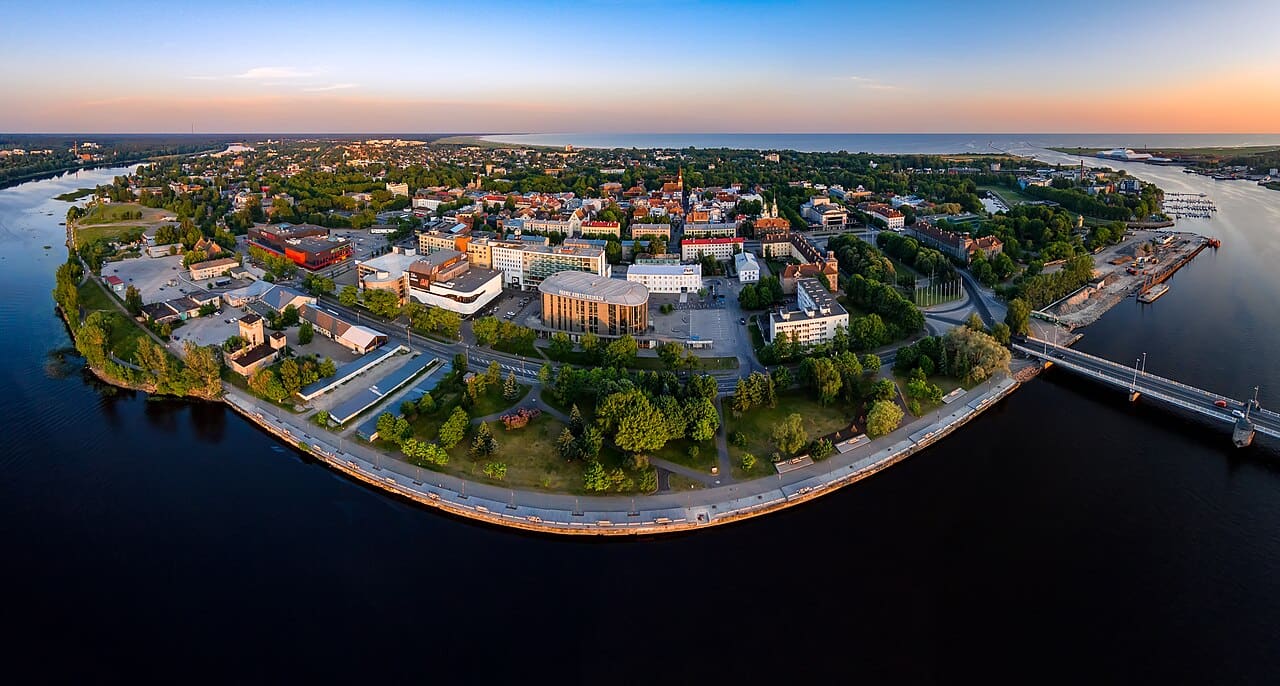
The town's spa identity began with the first mud baths that opened in 1838, and functionalist buildings from the 1920s–30s line the coast, especially the 1927 Rannahotell, which still carries the mark of that era. The sea stays shallow over a long distance, and the enclosed shape of the Gulf of Riga warms the water, so midsummer temperatures can be surprisingly high for the Baltic. Pärnu is called Estonia's summer capital, and the government symbolically holds some of its meetings here in the summer months.
Quick facts
- Built
- 1251
- Area
- 33.2 km²
- Elevation
- 10 m
Facts from Wikidata, photos from Wikimedia Commons.
Did you know?
Why is Pärnu called the summer capital?
It has been a spa and seaside resort since the 19th century. Its population multiplies in summer and much of Estonia's cultural calendar shifts here.
Why is the sea so shallow here?
Pärnu Bay is very shallow, so the water warms quickly in summer and stays shallow hundreds of metres out — which is why families with children favour it.
What is the town's mud bath tradition?
The mud baths opened in 1838 and still operate. Mineral mud dredged from the bay is used to treat rheumatic conditions and underpins Pärnu's identity as a spa town.
Why go?
- To experience Estonia's best-known seaside atmosphere
- For a summer route of sea, walks, and relaxation
- For a softer-paced escape outside Tallinn
Travel tip
Pärnu is at its best in summer; off-season it is calmer but less lively.