Travel guide
Air pollution and asthma while travelling: adapt the day
Air quality changes by the day; keep the itinerary flexible around reliable readings, symptoms and your action plan.
Prepared by the FlyVentis editorial team and regularly reviewed for travel and event accuracy.
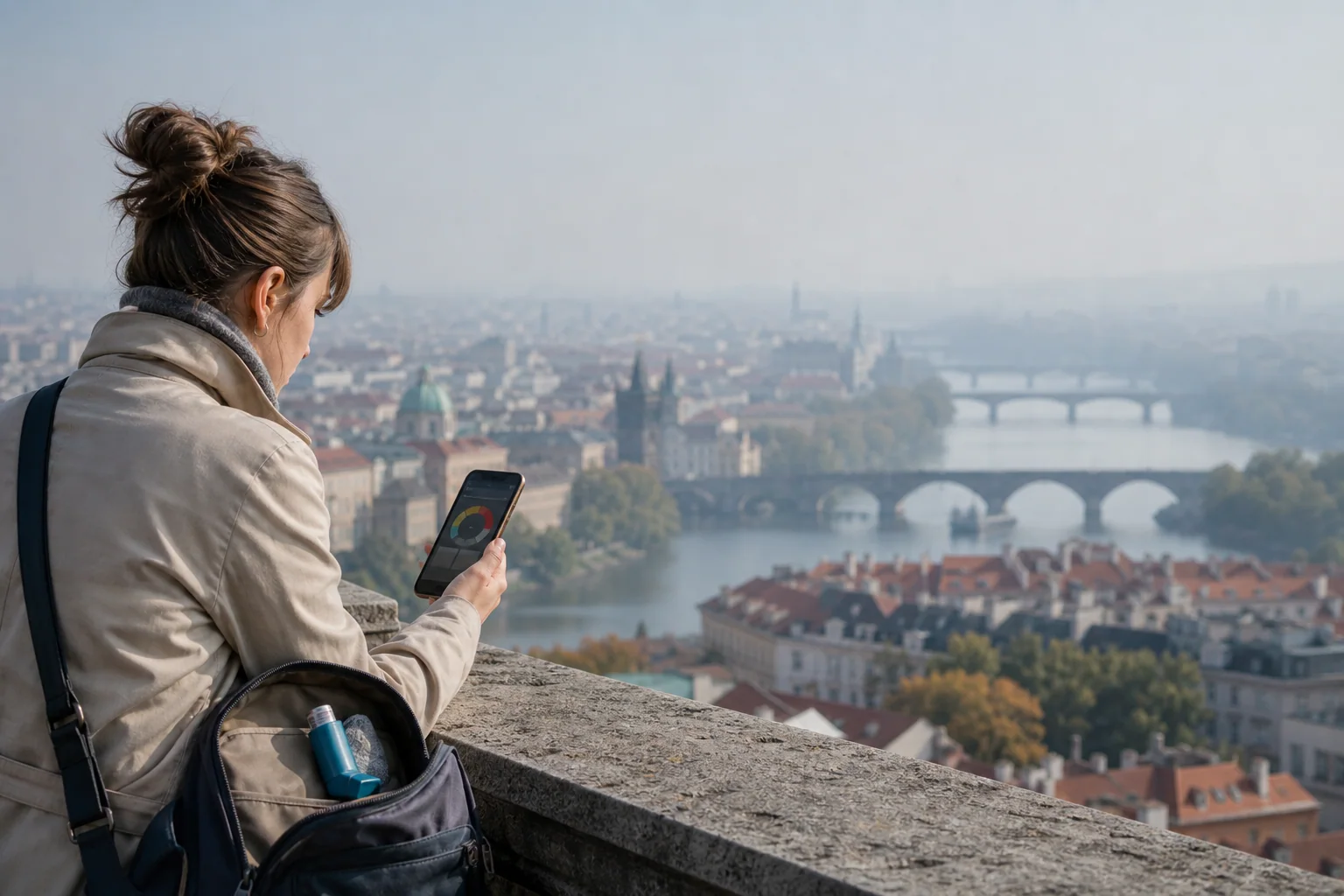
Air pollution can affect travel, particularly for people with asthma, COPD or heart disease. CDC recommends researching destination air quality and limiting prolonged or strenuous outdoor activity when conditions are poor.
Do not rely on a seasonal average: wildfire smoke, traffic and weather can alter the day. Combine health preparation with the travel-health planning guide and save information offline using the eSIM guide.
Read air-quality information in context
Index scales can differ between services and countries. Read the health message, not only the colour, and check which pollutant is driving the result. Agree personal limits with your clinician if you are in a sensitive group.
Balance indoor and outdoor time
- Move strenuous walking to a cleaner part of the day.
- Choose routes away from major traffic corridors.
- Keep a museum or indoor alternative for smoky days.
- Request smoke-free accommodation with fewer known triggers.
Personalise medicine and mask planning
Carry sufficient controller and rescue medicine in original packaging. CDC notes that a properly fitted particulate respirator can help in particulate pollution, while ordinary facemasks offer limited protection; adult respirator approvals should not simply be applied to children.
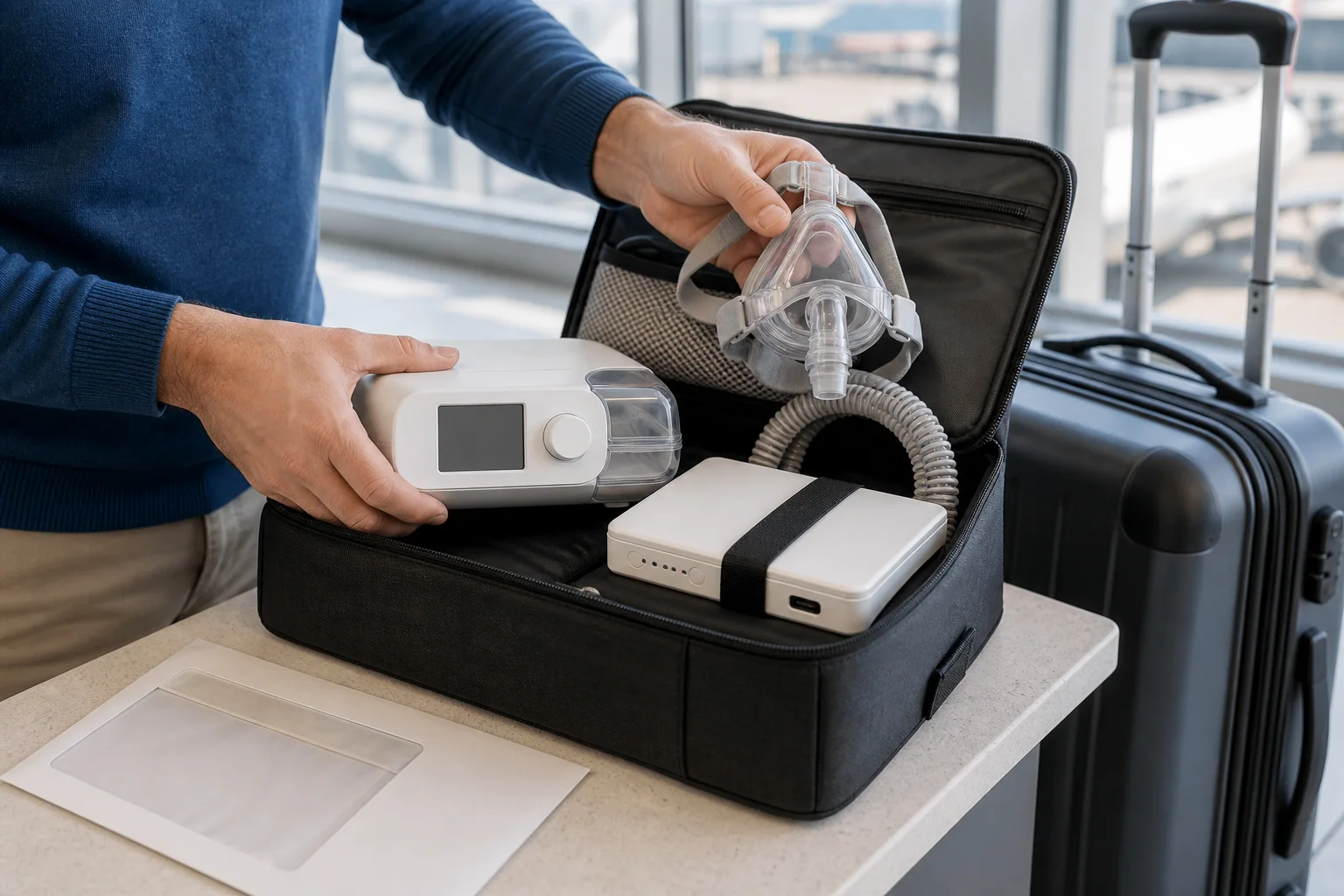
Check cabin and device requirements in the medical-device guide. If asthma is unstable, discuss fitness to travel with your clinician.
Remember indoor-air risks
Tobacco smoke, fireplaces, unvented heaters and heavy incense can worsen indoor air. Carbon monoxide is colourless and odourless; if an alarm sounds, leave immediately and call for emergency help.
| Situation | Adjustment |
|---|---|
| Poor outdoor air | Reduce exertion and use an indoor route |
| Smoke smell | Move away and check official alerts |
| Trigger in lodging | Request another room or accommodation |
| Symptoms increase | Follow the action plan and seek help |
Continue planning
Frequently asked questions
Can I sightsee when air quality is poor?
Adjust the programme to personal risk and symptoms, reducing strenuous or prolonged outdoor activity.
Is a surgical mask enough for pollution?
CDC says ordinary facemasks offer limited particulate protection; suitable respiratory protection depends on the person and situation.
Where should asthma medicine be packed?
Keep essential medication in cabin baggage where it is easy to reach.