Event guide
Planning a biennial and major art exhibition trip
A biennial is not a checklist. Group venues by area and leave time to think between exhibitions.
FlyVentis editör ekibi tarafından hazırlanmış, seyahat ve etkinlik bilgileri düzenli olarak gözden geçirilen rehber.
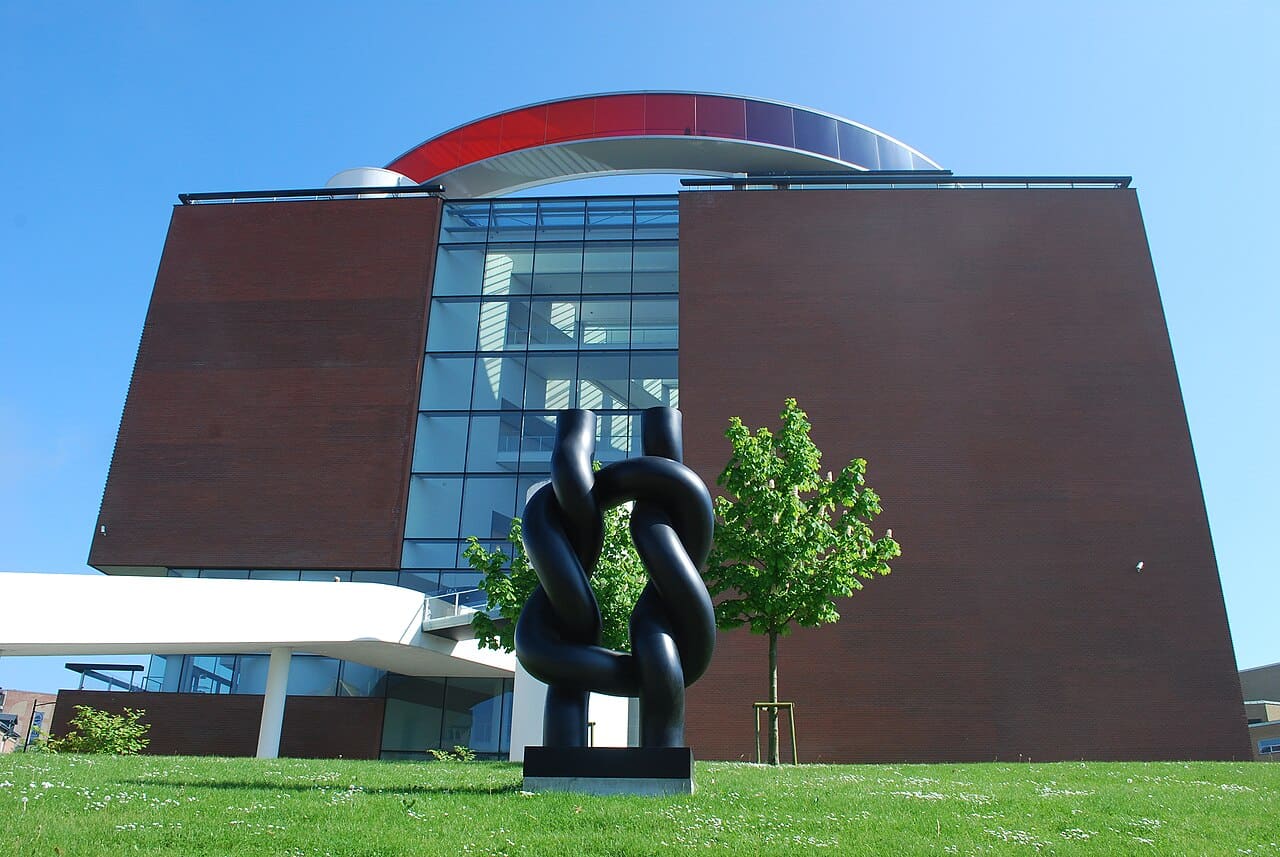
A biennial or major exhibition is not a city trip where you step into one museum and out again. Venues can be spread across neighbourhoods; some sit in old warehouses, on islands or outside the centre. So open the venue map before the list of works. Travelling for major exhibitions covers tickets and reservations in detail.
Group the venues day by day
Pick one main area per day and combine two or three venues within it. Only add a distant venue if it genuinely matters to you. Confirm opening times for ticketed exhibitions on the event calendar; during the opening week and at weekends last-minute tickets get hard to find.
- Colour-group the exhibition venues on a map.
- Choose one large and one small venue per day.
- Place lunch and a sitting break in the schedule in advance.
- Keep a backup plan for outdoor works depending on the weather.
- Read photography and bag rules on the official page.
| Day | Focus | Pace |
|---|---|---|
| Day 1 | Main venue and central exhibitions | Intense; start early |
| Day 2 | Secondary venues and national pavilions | Medium; leave room for walking |
| Day 3 | A distant venue or a second visit | Light; one stop in the morning |
Reservations and entry rules
Where exhibitions use timed entry, missing your slot usually voids the ticket. If you are buying a combined biennial pass, check venue by venue what it covers; passes typically exclude temporary special exhibitions. For permanent collections in the same city, the museum pages under places to visit help you collect opening hours in one place.
City choice and route
Biennial calendars usually run on a two-year cycle and several cities land in the same season. To combine two biennials in one trip, pick countries with strong rail links: for Italy and France the Italy-France route, and for Central Europe the Germany-Czechia-Austria route give you a ready skeleton. For the hops between cities, the guide to train travel in Europe explains how tickets work.
What to add in the evenings
Exhibitions close in the late afternoon, so the rest of the day can go to the stage programme. The opera, ballet and classical music guide is a practical introduction from house etiquette to ticket categories, and the stage events list shows what is on in the city that week.
Next step
Frequently asked questions
How many days should I give a biennial?
It depends on the number of venues; two full days work for most large biennials, three if the programme is spread out.
Do I need to book every exhibition in advance?
No, but timed and popular exhibitions do require it. Check the rule for each venue in the official programme separately.
Is a combined biennial pass worth it?
Usually, if you will visit three or more ticketed venues. Confirm before buying whether it covers temporary special exhibitions.
Can I take photographs in the exhibitions?
Permanent collections mostly allow it without flash; contemporary art shows may ban it work by work. Read the sign at the entrance.