Event guide
Opera, ballet and classical music: a guide for first-timers
Entering the opera house is not as regulated as it seems. The main thing to know is not the clothes; seat selection, performance duration and acoustics.
FlyVentis editör ekibi tarafından hazırlanmış, seyahat ve etkinlik bilgileri düzenli olarak gözden geçirilen rehber.
Opera and classical music concerts have a reputation for being overly intimidating for first-time visitors. In reality, the rules are few and largely just politeness; The things that really matter are rarely talked about: which seat you get, how long the work lasts, and how the acoustics of the hall are set up. An opera can last four hours, and buying a ticket without knowing this will result in leaving the theater in the second act.
This guide covers the practicalities for a first visit: ticket and seating logic, time expectations, attire, applause timing and where to start.
Seat selection: price and sound are not the same thing
In classical halls, the most expensive seats are usually those closest to the stage, but that is not the best location acoustically. The sound converges in the middle of the hall and slightly higher; Sitting directly above the orchestra pit makes the instruments sound unbalanced.
| Section | Opinion | Sound | Price |
|---|---|---|---|
| parterre front rows | So close, the stage stays above | Unbalanced, orchestra dominant | Highest |
| parterre middle | Very good | Very good | High |
| First balcony middle | Best overall view | best balance | High |
| side lodges | Part of the stage is closed | Good | Middle |
| Upper balcony front row | Far but all | Very good in most venues | Low |
Duration and act interval
- Symphony concert: usually 90-110 minutes, with one act intermission. The most comfortable format for the first experience.
- Ballet: 2-2.5 hours, between acts. Since classical ballets tell the story with movement, there is no language problem.
- Opera: 2.5-4 hours. Wagner works can take up to five hours. Be sure to check the duration of the performance before purchasing a ticket.
- Act breaks are 20-25 minutes and are part of the programme; Drinks are served in the hall foyer, and in many halls you can shorten the break by ordering in advance.
- You will not be allowed into the hall after curtain starts. If you are late, you can watch on the screens in the foyer until the next break.
Clothing: what is the real expectation?
Most European salons do not have a written dress code. Almost anything is accepted except shorts, tank tops and beach slippers. On the other hand, most of the audience dresses stylishly at opening nights, New Year's concerts and special programs of some historical halls; It's not a necessity, it's part of the atmosphere. Practical advice: a clean and tidy outfit is enough, plus the halls are usually cool, bring a thin layer.
Applause: when, how much?
- There is no applause between movements in the symphony. Wait until the conductor lowers his hands and turns to the audience; If you're not sure, watch the rest of the room.
- In opera, it is customary and encouraged to applaud when an aria ends; If the music continues, you have to wait.
- Applause is normal after a difficult variation in ballet.
- Standing applause at the end of a concert is rarer in Europe than in America; It is reserved for an extraordinary performance.
- After the curtain closes, the greeting lasts several rounds, which is part of the show; Staying instead of leaving immediately is both courtesy and a way to avoid the exit crowd.
Venue selection: where to go?
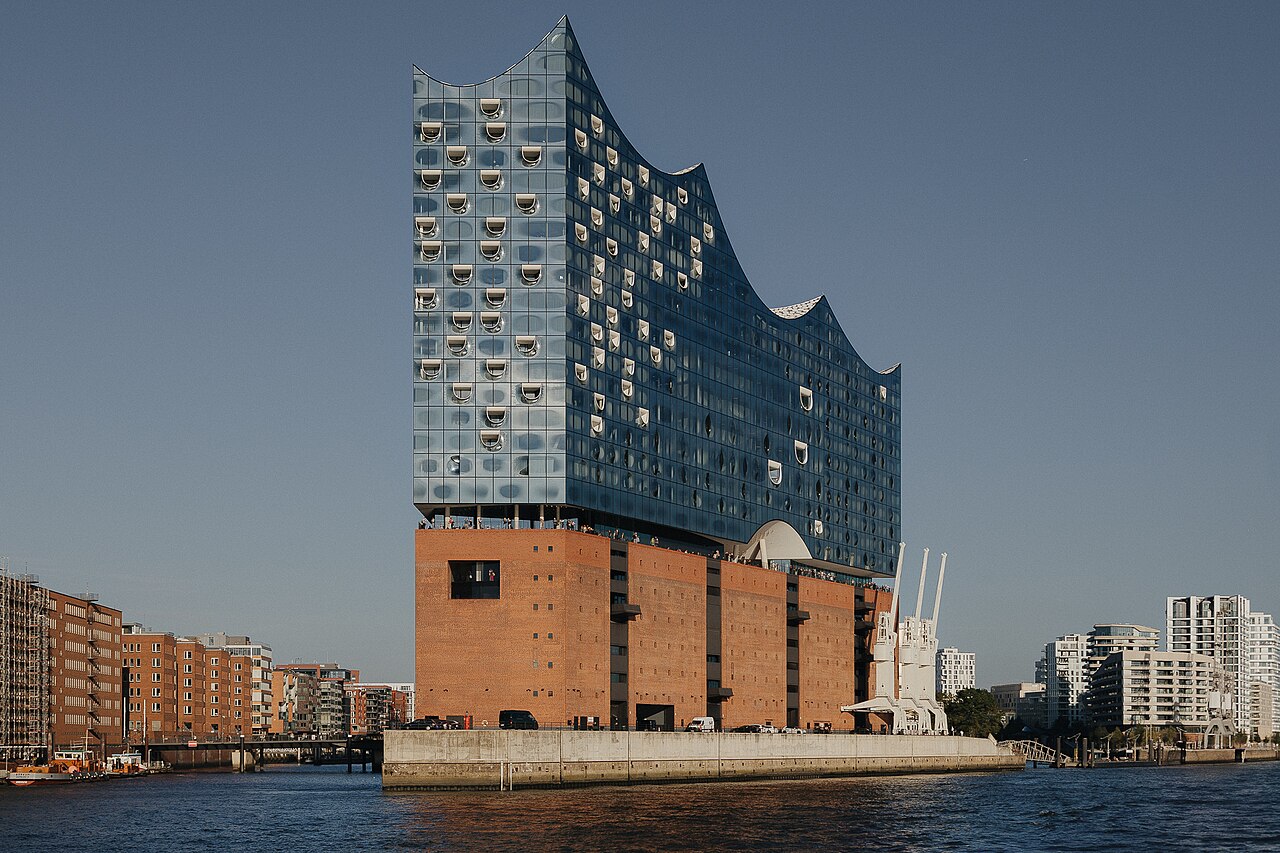
- Elbphilharmonie reference structure of modern acoustics: the symbol of Hamburg with its glass body built on a former port warehouse. The large hall has a vineyard type layout that centers the stage and is covered with 10 thousand hand-shaped acoustic panels; The sound reaches every seat almost equally. Even if you do not buy a concert ticket, you can go to the public terrace at 37 meters for free, but a time ticket is required.
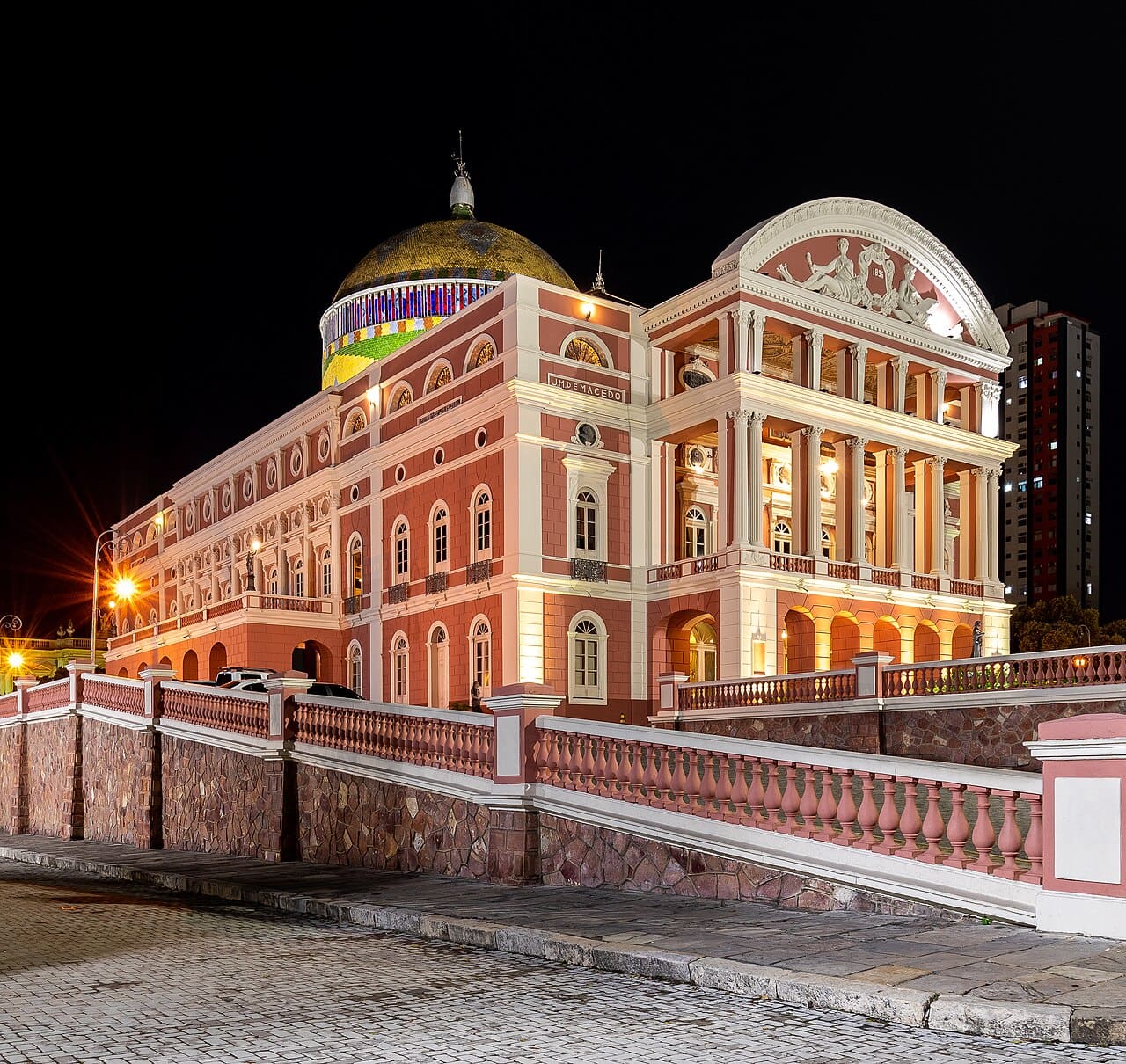
- Manaus Opera House is an opera house built in the middle of the Amazon forest during the period of rubber prosperity: its marble was brought from Italy, its iron structure from Scotland, and its crystal chandeliers from France. Today, it still gives concerts and can be visited with guided tours during the day; The hall seats 700 people, so every seat is close to the stage.
- Aspendos Ancient Theater Dating from the 2nd century, it is considered the ancient theater with the best preserved acoustics in the world; A word spoken in a whisper from the stage is heard from the top row of the seating arrangement for 15 thousand people. It hosts an opera and ballet festival in the summer months, 45 minutes from Antalya center. Bring a cushion as the seats are made of stone.
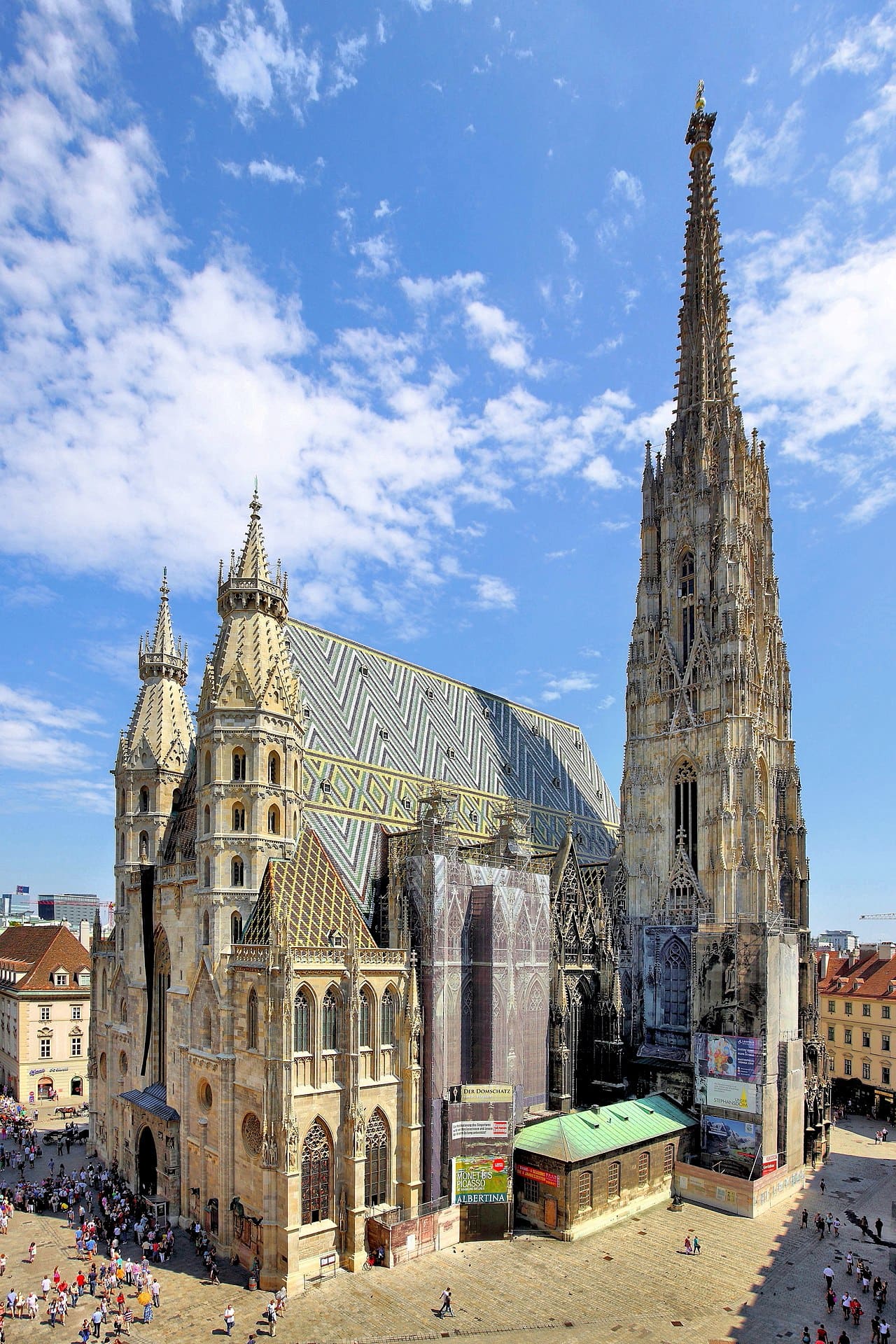
- In Milan, the opera season sets the rhythm of the city; The hall is within walking distance of Duomo, so going up to the cathedral's roof terrace and looking at the city before the show can fit into the same evening. You can reach the terrace by elevator or by 250 steps.
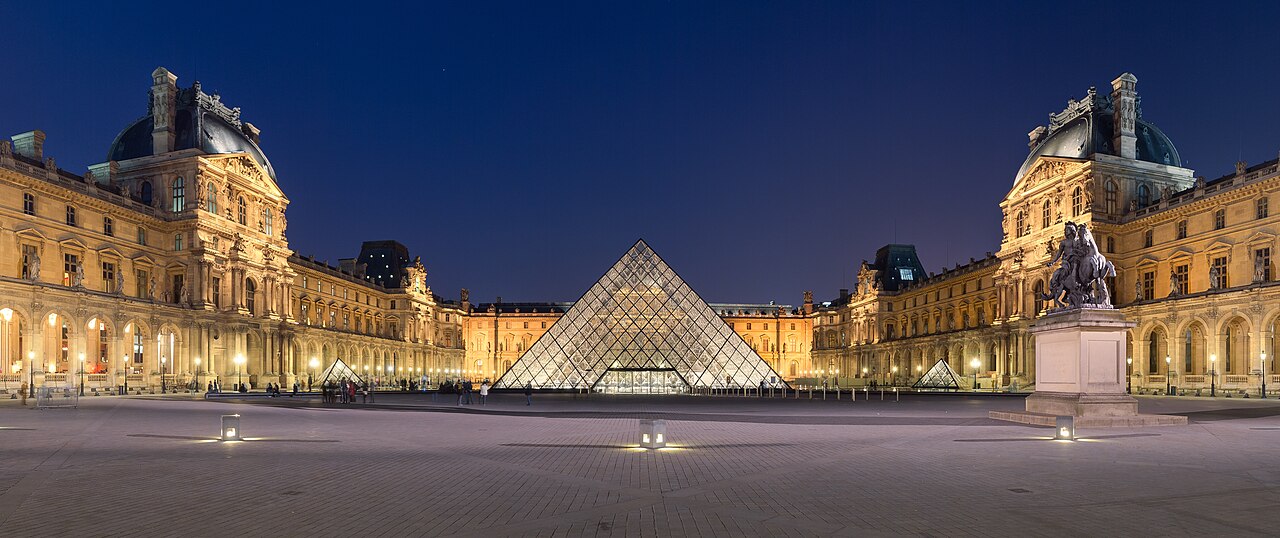
- Historical halls in Vienna, Prague and Budapest are both more affordable and have a busy schedule; For a first experience, these cities are distinctly accessible from London or Paris.
Which work to start with?
For the first experience, works with familiar melodies, short and clear stories make the job easier. Carmen, La Bohème and The Magic Flute in the opera; Swan Lake, The Nutcracker and Sleeping Beauty in ballet; Evenings that include a well-known violin or piano concerto in the symphonic program are good starts. Nearly all theaters have a seat-back or on-stage subtitle screen and usually have an English option; Not knowing the opera language is not an obstacle.
Keep planning
Frequently asked questions
What should I wear to the opera?
Most gyms have no written rules; Any neat and tidy combination is accepted, except shorts and beach slippers. During opening nights and special programs, the audience dresses smartly, but this is not a requirement. Halls can be cool, bring a thin layer.
Which is the best seat?
The middle part of the first balcony in terms of acoustics. If budget is a concern, the front row of the upper balcony sounds very good in most theaters and shows the stage and orchestra together. Avoid side booths, part of the stage may be blocked.
How long is the opera?
Usually 2.5-4 hours, with two intermissions. Some works extend to five hours. Check the duration of the performance before purchasing a ticket; The symphony concert is more comfortable for the first experience, with 90-110 minutes.
Can I follow if I don't know the language?
Yes. Almost all theaters have a subtitle screen and usually have an English option. In ballet, language is not a problem because the story is told through movement.