Travel guide
Madrid travel guide: the museum triangle, the squares and the evening rhythm
Understanding Madrid means running your day on Spanish time: a late lunch, a long late afternoon, and a city that starts after dark.
FlyVentis editör ekibi tarafından hazırlanmış, seyahat ve etkinlik bilgileri düzenli olarak gözden geçirilen rehber.
Madrid is less touristed than Barcelona and a capital where everyday life is more visible. The centre is compact and mostly walkable; the real difference is that the day runs on Spanish time. Lunch starts at 14:00 and dinner at 21:00, and a plan made without knowing that meets empty restaurants.
Three full days cover the museum triangle, the historic centre and a couple of neighbourhoods. To continue around the country, the Spain page and the Spain route are good starting points.
Day one: the museum triangle
The Prado Müzesi, the Reina Sofía and the Thyssen-Bornemisza are within walking distance of each other and are known together as the museum triangle. Fitting all three into one day is possible in theory and exhausting in practice; giving the Prado a full morning and picking one more in the afternoon works far better.
The Prado has free entry during a set window each day; queues lengthen then and the time is limited. If you are planning exhibitions seriously, the timed-ticket logic in travelling for major exhibitions is useful.
Day two: the historic centre and the palace
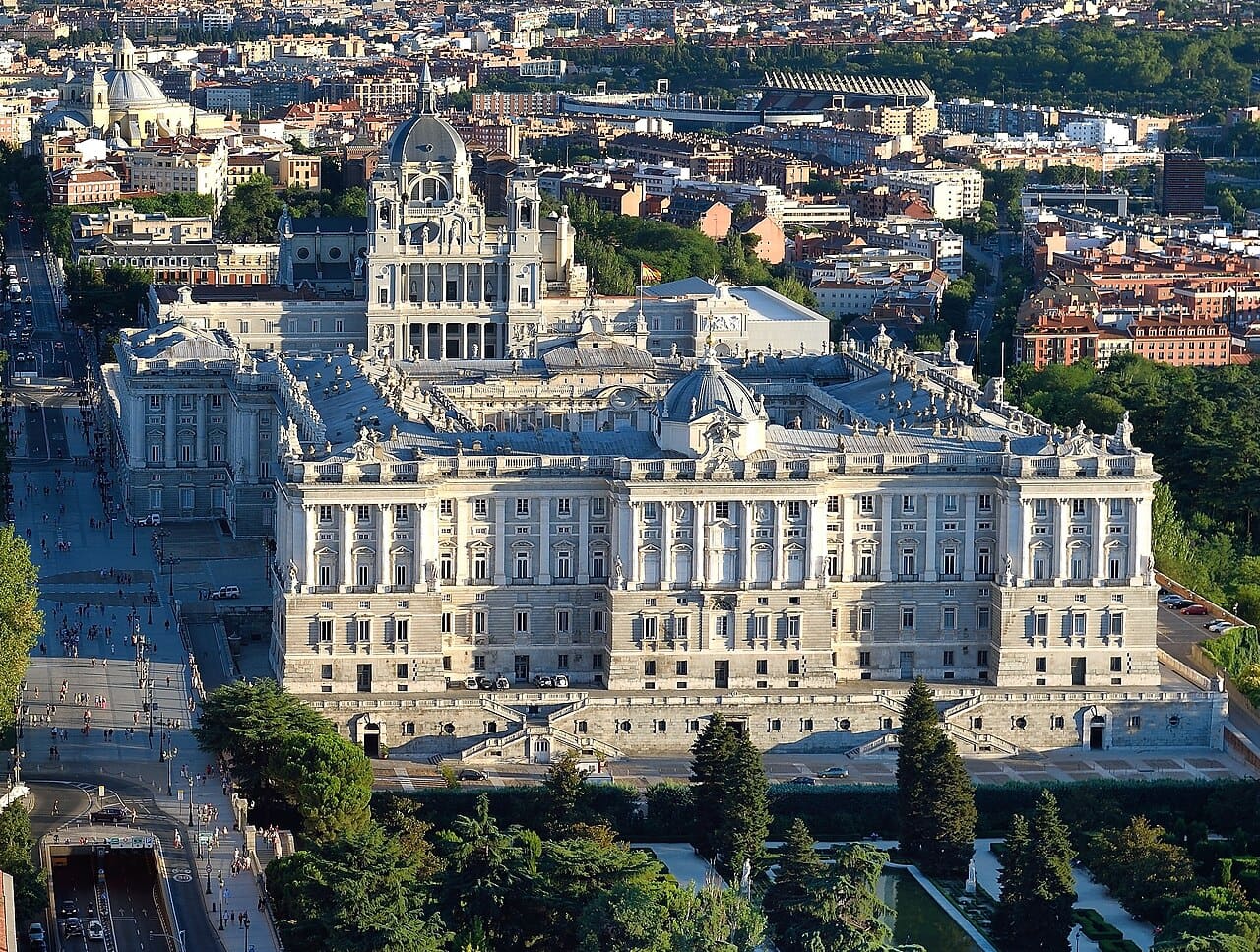
Puerta del Sol, Plaza Mayor and the Mercado de San Miguel sit in the same walking area. From there you head west to the Kraliyet Sarayı and Almudena Cathedral; the palace gardens and the Sabatini Gardens make an easy end to the day.
Moving on to Retiro Park in the afternoon is one of Madrid's best-loved rituals. The park is lively at weekends and is the best place to see the city's everyday life.
- Book a timed ticket for the palace; it can close for official ceremonies.
- Eating on the main streets around Plaza Mayor is touristy and pricey — walk a street or two in.
- In busy squares, the reflexes from avoiding tourist scams apply.
- Midday heat is heavy in summer — see city trips in hot weather.
Day three: neighbourhoods and the evening rhythm
Malasaña and Chueca are dense with young, independent shops; La Latina changes completely on Sundays with the El Rastro flea market. Lavapiés is one of the city's most culturally layered neighbourhoods.
Set dinner late and fill the gap with tapas. An evening in Madrid is built less on sitting down in one restaurant than on walking between several places.
| Time | What happens |
|---|---|
| 09:00-11:00 | Museums have just opened — the calmest hours |
| 14:00-16:00 | Lunch; many small shops are closed |
| 17:00-20:00 | The city comes back to life, ideal for walking |
| After 21:00 | Dinner and the tapas circuit begin |
Transport and practicalities
Madrid's metro is extensive and cheap, though a supplement applies on the airport connection. Distances in the centre are short, so most days are walked. You can compare airport options in how to choose an airport transfer.
Madrid is a busy route all year; for the pricing window see when to buy a plane ticket. If you are combining it with Barcelona, the high-speed train is the most practical option — the guide to train travel in Europe explains how tickets work.
- A multi-journey card is cheaper than buying single metro tickets.
- Factor the airport supplement into the ticket price.
- For the Barcelona leg, see the Barcelona travel guide.
- To continue into France, the Spain-France route offers a ready plan.
Planning Madrid around an event
Madrid is a strong concert and football city, and a big tour or match may well set your dates. If you are planning a match, the sports match travel guide; for a concert, planning a concert trip abroad covers tickets and the journey home.
Keep planning
Frequently asked questions
How many days are enough for Madrid?
Three full days cover the museum triangle, the historic centre and a couple of neighbourhoods. Add a day if you plan a trip to Toledo or Segovia.
Is the Prado's free window worth it?
If budget is your priority, yes, but the window is short and crowded. To see the collection properly, a normal morning ticket works better.
Madrid or Barcelona?
Madrid leans on museums and everyday life, Barcelona on architecture and the sea. The high-speed train makes combining them on one trip easy.
Is dinner really at 21:00?
On local rhythm, yes. You can eat earlier in tourist areas, but the real atmosphere builds late.