Route ideas
Lisbon, Porto, Algarve: an 8-day Portugal route
Portugal is a small country with three separate climates: the hills of Lisbon, the riverfront of Porto and the cliffs of the Algarve. You can see all three in one trip, almost entirely by train.
FlyVentis editör ekibi tarafından hazırlanmış, seyahat ve etkinlik bilgileri düzenli olarak gözden geçirilen rehber.
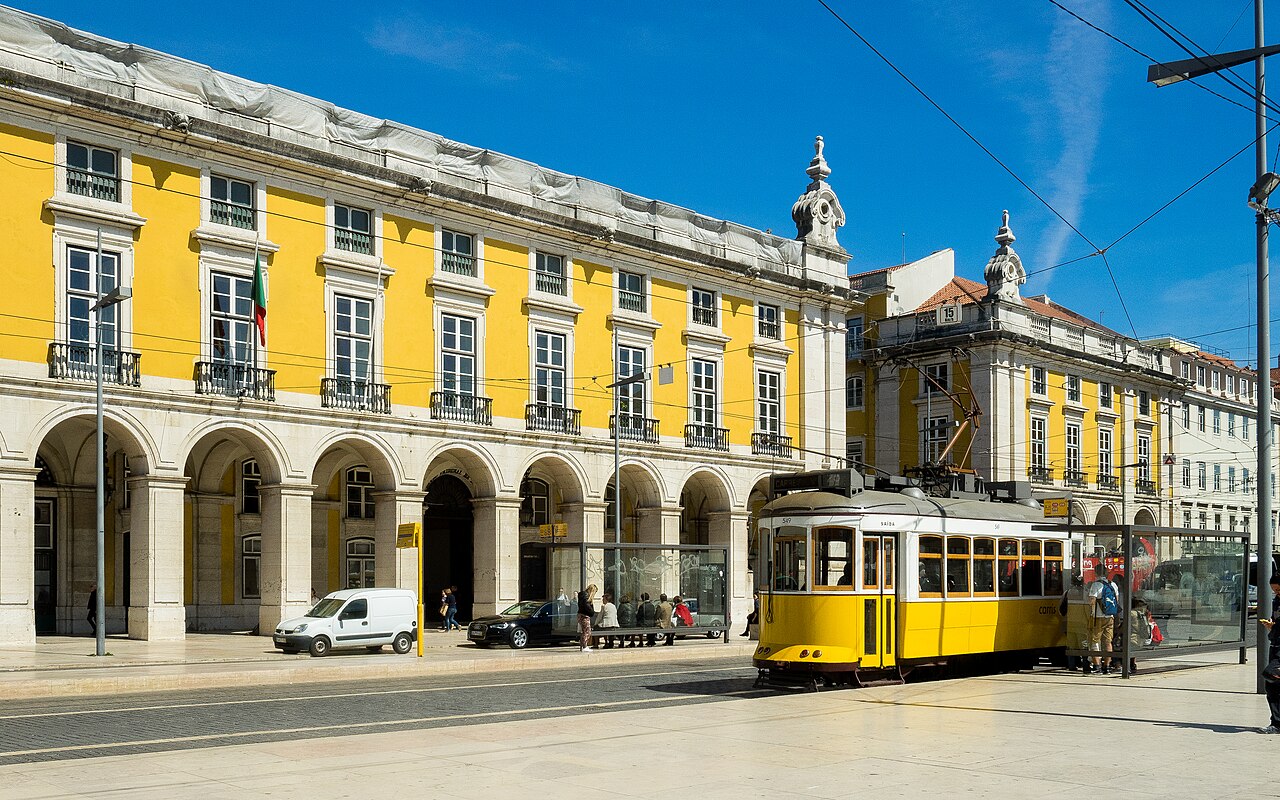
Portugal sits at the western edge of Europe, and that position defines everything: the food faces the ocean, the cities climb hills, and the light is softer than anywhere in the Mediterranean. The country is small, so eight days really is enough — the real task is linking three very different regions in the right order.
The classic mistake is basing yourself in Lisbon and trying to do Porto as a day trip. Even on the fast train the two cities are 2 hours 45 minutes apart; going there and back in a day means missing Porto entirely. The route below removes that trap.
How to build the route
| Connection | Duration | How | Typical fare |
|---|---|---|---|
| Lisbon → Porto | 2 hours 45 minutes | Alfa Pendular train | €25-45 |
| Lisbon → Sintra | 40 minutes | Suburban train | €3-5 |
| Porto → Douro Valley | 2 hours | Regional train | €13-15 |
| Lisbon → Faro (Algarve) | 3 hours | Intercidades train | €22-30 |
| Faro → Lagos | 1 hour 40 minutes | Regional train | €7-9 |
The cheapest way to book is through CP (Comboios de Portugal) about a month ahead; early fares on Lisbon-Porto can be half price. Renting a car only makes sense on the Algarve coast — in Lisbon and Porto a car is pure baggage and parking is close to impossible.
The 8-day plan, day by day
Days 1-3: Lisbon
Spend the first day in Alfama: ride tram 28 uphill and walk back down. Day two belongs to Belém — go early for the Jerónimos Monastery, Belém Tower and the original pastel de nata, because queues build after 11am. Give day three to Sintra as a day trip, and book a timed ticket for Pena Palace in advance.
Days 4-5: Porto
Porto is a smaller, rougher version of Lisbon. Walk the riverside in Ribeira, cross on the upper deck of the Dom Luís I bridge, and end the evening in the port wine cellars of Vila Nova de Gaia. If you want to see Livraria Lello, buy the ticket ahead — the fee comes off any purchase.
Day 6: the Douro Valley
The Douro line out of Porto is one of the most beautiful train rides in Europe. You can go as far as Pinhão and return the same day. Late September and October, during the grape harvest, is the valley at its liveliest.
Days 7-8: the Algarve
With only two days on the Algarve, stay in Lagos: the Ponta da Piedade cliffs and the boat trips all leave from there. If you want to swim, come between June and September — Atlantic water rarely passes 16-17°C in spring.
When to go
- April-June: the best balance. 20-26°C, crowds not yet at their peak, fares still reasonable.
- July-August: the Algarve is full and expensive, and Lisbon can hit 35°C at midday.
- September-October: harvest season, warm ocean and falling prices — the best window for most travellers.
- November-March: cheap and rainy. Fine for cities, pointless for the coast.
Budget: what do eight days cost?
| Item | Budget | Mid-range |
|---|---|---|
| Accommodation | €35-50 | €70-110 |
| Food | €25-30 | €45-60 |
| Local transport | €8-12 | €15-25 |
| Museums and tours | €10-15 | €25-35 |
Portugal is still one of the best value countries in Western Europe. The lunch menu (prato do dia) runs €9-13 in most restaurants and serves the same dish you would pay double for at dinner.
Keep reading
Frequently asked questions
How many days do you need in Portugal?
Three days for Lisbon alone, five to six for Lisbon plus Porto, and eight once you add the Algarve. With more than ten days you can also sleep in the Douro Valley and add Coimbra.
How do you get from Lisbon to Porto?
The Alfa Pendular fast train is the practical option: 2 hours 45 minutes, €25-45 if booked early. Flying saves no time once you add two airport transfers and waiting.
When is the best time to visit Portugal?
April-June and September-October are the most balanced. July-August is crowded and expensive, especially on the Algarve; November-March is rainy but fine for the cities.
Do you need a car in Portugal?
Not in Lisbon or Porto — public transport is enough and parking is a problem. A two or three day rental only pays off if you want to explore the Algarve coves.