Route ideas
Rio, Iguaçu, Salvador, Amazon: 15-day Brazil route
Brazil is not a country, it is a geography on a continental scale. The only thing that keeps the route alive is establishing the domestic flight network correctly.
FlyVentis editör ekibi tarafından hazırlanmış, seyahat ve etkinlik bilgileri düzenli olarak gözden geçirilen rehber.
Brazil is larger than the European continent. The distance between Rio and Manaus is four hours by plane and more than three days by road. This scale requires completely abandoning the usual European reflex when planning the route: here the passage between cities is not a train journey, but a separate flight leg.
This route is based on 15 days and shows four different Brazils: the metropolis in the south, the waterfalls on the border, the African culture of the northeast and the Amazon.
Day distribution: how many nights where?
| Stop | Night | Why so much? |
|---|---|---|
| Rio de Janeiro | 4 | The city is large; two peaks, beaches and neighborhoods |
| Paraty | 2 | Colonial town and shore; 4 hours by car from Rio |
| Foz do Iguacu | 2 | One day for each side of the waterfalls |
| Salvador | 3 | Pelourinho, music and cuisine |
| Manaus (Amazon) | 4 | Lodge accommodation; requires at least 3 full days |
Rio de Janeiro: four days
- Christ the Redeemer is at 710 meters on the Corcovado hill and the statue is 30 meters high; You can take a cogwheel train that passes through the rainforest, and the journey takes 20 minutes. Cloud covers very often, early morning is the best chance. Tickets are sold on time and there is no right to change them if the weather is cloudy.
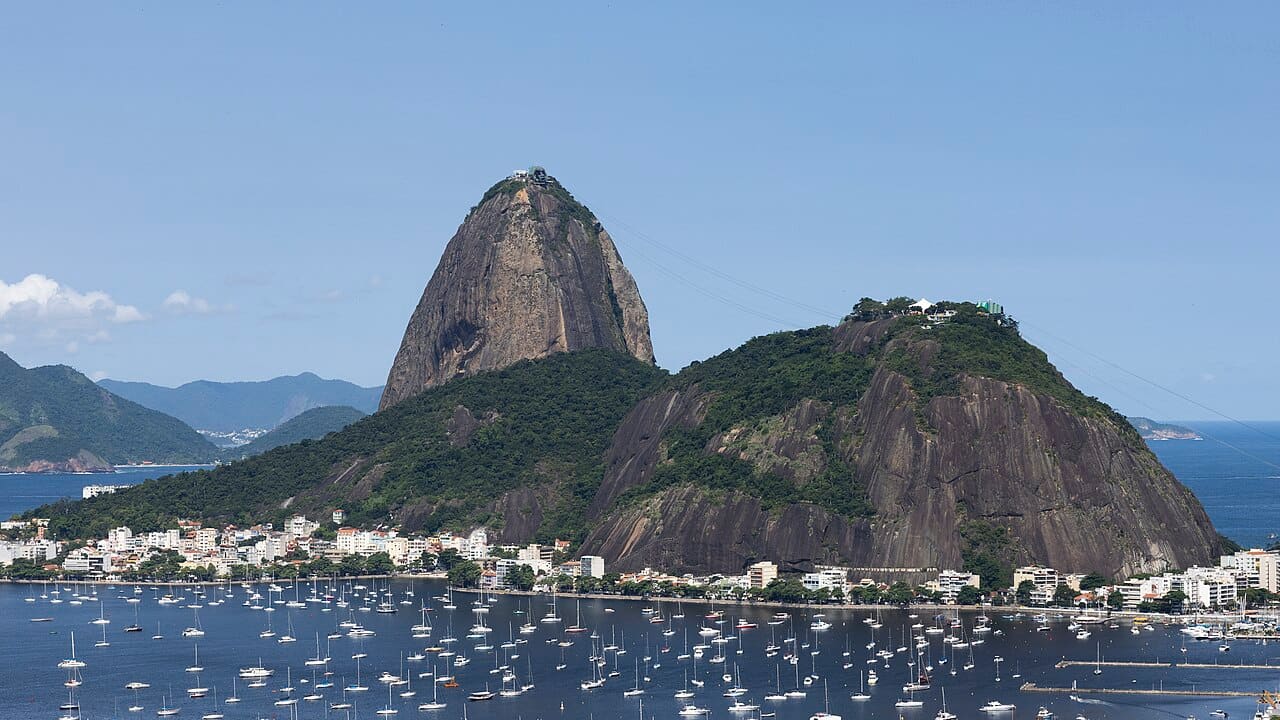
- Sugarloaf Mountain 396-meter granite rock, climbed by a two-stage cable car; The main recommended time is sunset, because the first stage shows the daytime view and the second shows the night view. The two do not repeat each other as it gives a different angle than Corcovado.
- Copacabana Beach is four kilometers of beach and is more of a public space than a rolling sandy beach: jogging and volleyball in the mornings, walks along the beach in the evenings. The black and white wave pattern on the pavement has become the symbol of the city. Do not take valuables to the beach, leave them at the hotel.
- The Santa Teresa neighborhood is at the top, accessible by historical tram, and full of artist workshops; The Selarón stairs leading down are covered in more than 2,000 colorful tiles and are one of the most photographed spots in the city.
- Paraty Historic Center 4 hours from Rio: colonial town whose cobblestone streets were designed to be submerged at high tide, completely closed to vehicle traffic. There are waterfalls and bays around it that can be reached by boat.
Iguaçu and Salvador
- Iguazu Falls A system of 275 waterfalls two and a half kilometers wide; The two sides of the border provide two different experiences. The Brazilian side offers the panoramic angle and the platform overlooking the Devil's Throat, half a day is enough; The Argentinian side takes you into the waterfalls with walking platforms and requires a full day. Two nights are required to see both, and the border crossing requires a passport.
- The bird park is opposite the visitor center on the Brazilian side and you can enter the same cage with the toucans; It completes the half day of the waterfall visit.
- Pelourinho Salvador's historic center: pastel-coloured colonial buildings and cobblestone squares are on the UNESCO list. The region is the center of Brazil's African culture; Capoeira, samba de roda and percussion groups are traditions that live on the street, not shows.
- Salvadoran cuisine differs from the rest of the country: recipes based on palm oil, coconut milk and shrimp originate from West Africa. Acarajé sold on the street is the best-known example of this cuisine.
- Amazon Theater An opera house built in the middle of the forest in Manaus and during the period of rubber prosperity; Its marble was brought from Italy and its chandeliers were brought from France. It still gives concerts today and can be visited with guided tours during the day.
Transport, safety and practical notes
| Connection | flight duration |
|---|---|
| Rio → Foz do Iguaçu | 2 hours |
| Foz do Iguaçu → Salvador | 3 hours 30 minutes (with transfer) |
| Salvador → Manaus | 3 hours 30 minutes |
| Manaus → São Paulo / Rio | 4 hours |
- Domestic flights are the backbone of the route; Buying together as a multi-leg ticket is often cheaper than buying individually. Check the baggage allowance in the tariff.
- Verify visa status before travel; Brazil's visa policy varies by country and is updated from time to time.
- In big cities, do not hold the phone in your hand on the street, call a taxi via the app and limit night walks to main streets. Take only what is necessary to the beach.
- Yellow fever vaccine is recommended for the Amazon and Iguaçu region; Some countries may require a vaccination certificate from people coming from Brazil.
- It is a predominantly Portuguese country; English is limited outside of major hotels and tourism establishments. Make the translation app available offline.
| Pen | Economic | Middle | Comfortable |
|---|---|---|---|
| Domestic flights (4 legs) | $300-480 | $480-750 | $750-$1,200 |
| Amazon lodge (3 nights, full board) | $350-550 | $550-900 | $900-$1,600 |
| Accommodation (11 nights) | $300-500 | $500-950 | $950-$2,000 |
| Food and beverage | $220-$350 | $350-550 | $550-900 |
| Tour and entrances | $150-250 | $250-400 | $400-650 |
| Total | $1,320-$2,130 | $2,130-$3,550 | $3,550-6,350 |
When to go?
Since it's in the southern hemisphere, the seasons are reversed. May to September is the dry season for Rio and the south; The temperature is 22-27 degrees, the humidity is low and there is little rain. Summer from December to March: beaches are lively but temperatures exceed 35 degrees and afternoon showers are common. In Iguaçu, the flow is at its peak between November and March, and the platforms are more clearly visible during the dry period. In the rainy season (December-May) in the Amazon, the water level rises and you can enter the forest by boat, and hiking routes are opened in the dry season; They are two different experiences. Carnival is in February and accommodation prices in Rio and Salvador quadruple, booking months in advance is a must.
Keep planning
Frequently asked questions
How many days does it take to visit Brazil?
8 days are enough for Rio and Iguaçu. When you add Salvador, 11 days, and when you add Amazon, 15 days becomes a realistic lower limit; Amazon alone requires at least 3-4 nights.
Which side of Iguaçu should see?
Both. The Brazilian side offers the panoramic angle in half a day, the Argentinian side takes you into the waterfalls with walking platforms and takes a full day. A passport is required for border crossing.
Can intercity buses be used?
For short distances yes, for long legs no. Rio-Salvador is over 24 hours by bus; 2.5 hours by flight on the same leg. It is mandatory to base the route on domestic flights.
Does it make sense to go during the carnival period?
The atmosphere is phenomenal but so are the cost and crowds. In Rio and Salvador, accommodation quadruples and fills up months in advance. If Carnival isn't your goal, skip February.