Flight tips
Flying with a pet: cabin, hold and the carrier
Cabin places are limited on every flight and must be requested separately after booking. Learning the carrier and weight rules late can mean being turned away.
Prepared by the FlyVentis editorial team and regularly reviewed for travel and event accuracy.
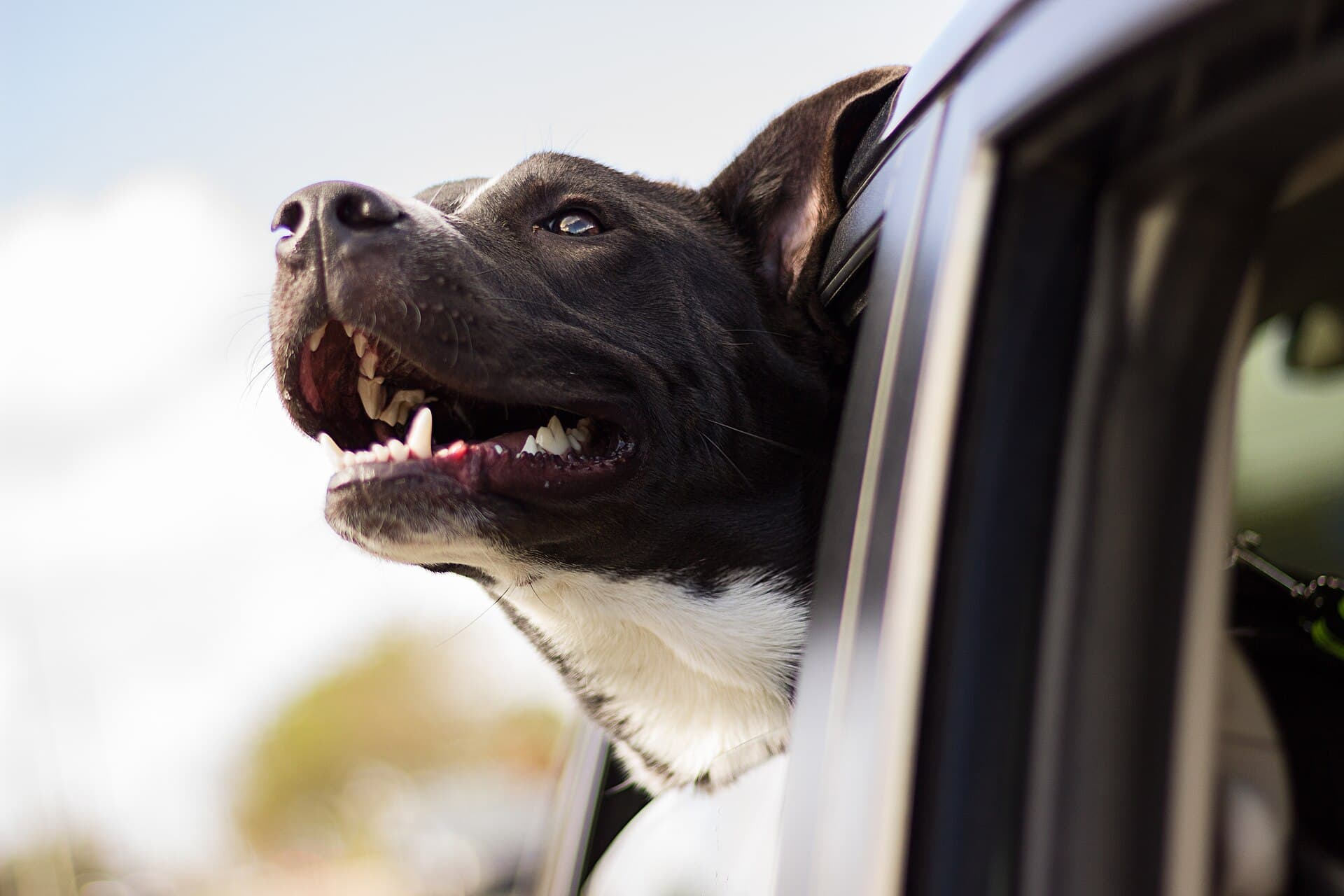
Flying with a pet has two separate sides that get mixed up. One is what the **country** requires: microchip, rabies vaccination, health certificate. The other is what the **airline** requires: cabin or hold, carrier size, weight limit, fee. This guide covers the second.
For the paperwork side see the travelling to Europe with a pet guide, which sets out the order from microchip to titre test. Both sides have to be planned together: complete paperwork is no use if there is no space on the aircraft.
Cabin or hold? Weight decides
Small cats and dogs can travel in the cabin, under the seat in front of you, if they are below a set weight including the carrier. That limit varies by carrier and is usually in single-digit kilograms. Animals above it travel in a pressurised, heated animal compartment in the hold.
Cabin space is limited on every flight: the number of animals accepted per aircraft rarely reaches more than a handful. That is why the cabin place is requested separately after you buy the ticket, first come first served. Buying the ticket and asking later usually means finding out there is no space.
| Item | Cabin | Hold |
|---|---|---|
| Weight | A low limit, carrier included | Higher, depends on carrier type |
| Container | Soft, fits under the seat | Rigid, meets IATA dimensions |
| Places per flight | Very limited | Wider but still limited |
| Booking | Requested separately after ticketing | Requested separately after ticketing |
The carrier: design matters as much as size
For containers going in the hold, the industry standard is defined in IATA's live animal regulations. The basic expectation: the animal must be able to stand, turn around and lie down in a natural position; the container must be rigid, ventilated, leak-proof at the base and secured — but not with a lock that cannot be opened from outside.
Cabin carriers can be soft but must fit under the seat in front of you. Do not confuse this with cabin baggage dimensions; they are two different measurements. The full cabin bag arrangement is in the carry-on baggage guide.
- Buy the carrier weeks ahead and let the animal get used to it.
- Line the base with an absorbent pad and pack spares.
- Write your name, phone number and destination address on it.
- A hold container needs a water bowl that fixes to the door.
Reasons for refusal: breed, temperature and connections
Because of the respiratory risk in snub-nosed (brachycephalic) cat and dog breeds, many airlines will not accept them in the hold at all, and some restrict them in the cabin too. If your animal is in that group your options narrow, and finding a direct flight matters more.
In summer and winter, temperature embargoes come into play: animals are not carried above or below certain temperatures. That call is often made on the day, so carriage can be cancelled even with a confirmed booking.
On connecting itineraries each leg is assessed separately. On a self-transfer with two separate tickets nothing is forwarded automatically and the second carrier's rules can be entirely different; the single-ticket logic from the connecting flights guide applies with particular force here.
How the fee is calculated
The pet fee is not included in the fare and is usually a line of its own, separate from baggage; on connecting flights it can be charged per leg. On low-cost carriers it pushes the total up noticeably, and some do not accept animals at all.
When comparing total cost, look at the final amount including the pet fee and baggage rather than the headline fare. The method is in the hidden costs guide and the low-cost airline guide. Special-carriage items such as sports equipment work the same way; for comparison see the sports equipment guide.
On the day
Travelling with an animal usually rules out online check-in; you have to go to the desk. That means leaving earlier than usual — add at least half an hour to the time in the airport timing guide.
At security you may be asked to take the animal out of the carrier and carry it through; keep a lead and collar to hand. Avoid a heavy feed a few hours before the flight, but do not cut off access to water.
- Reconfirm the booking by phone and keep the reference with you.
- Leave half an hour earlier than usual for the desk.
- Keep a lead, pads, spare bags and a small water bowl in your cabin bag.
- Carry printed health paperwork; a screen may not be enough.
Keep planning
Frequently asked questions
Can a cat or dog travel in the cabin?
Generally yes if the weight including the carrier is under the airline's limit and the carrier fits under the seat in front of you. Cabin places per flight are very limited and must be requested separately after you buy the ticket.
Is the pet fee included in the ticket?
No. It is a separate line, independent of the baggage allowance, and on connecting flights it can be charged per leg. Compare the final amount including the pet fee rather than the headline fare.
Are snub-nosed breeds accepted?
Many airlines will not accept brachycephalic breeds in the hold because of respiratory risk, and some restrict them in the cabin too. If your animal is in that group, look for a direct flight and confirm the carrier's rule in advance.
Should my pet be sedated before the flight?
Airlines and veterinary bodies are generally cautious; effects at altitude can differ from those on the ground. The decision and dose belong to your vet, so raise it days before the flight.
Where do I find the paperwork requirements?
This guide covers the airline side. For the order of microchip, rabies vaccination, titre test and health certificate, see the travelling to Europe with a pet guide; both sides need planning together.