Route ideas
Tokyo, Kyoto, Osaka: a 10-day Japan route
In Japan the route is set by the rail line, not the cities. Tokyo, Kyoto and Osaka sit on one Shinkansen spine — and the right plan for a first trip is not to stretch beyond it.
FlyVentis editör ekibi tarafından hazırlanmış, seyahat ve etkinlik bilgileri düzenli olarak gözden geçirilen rehber.
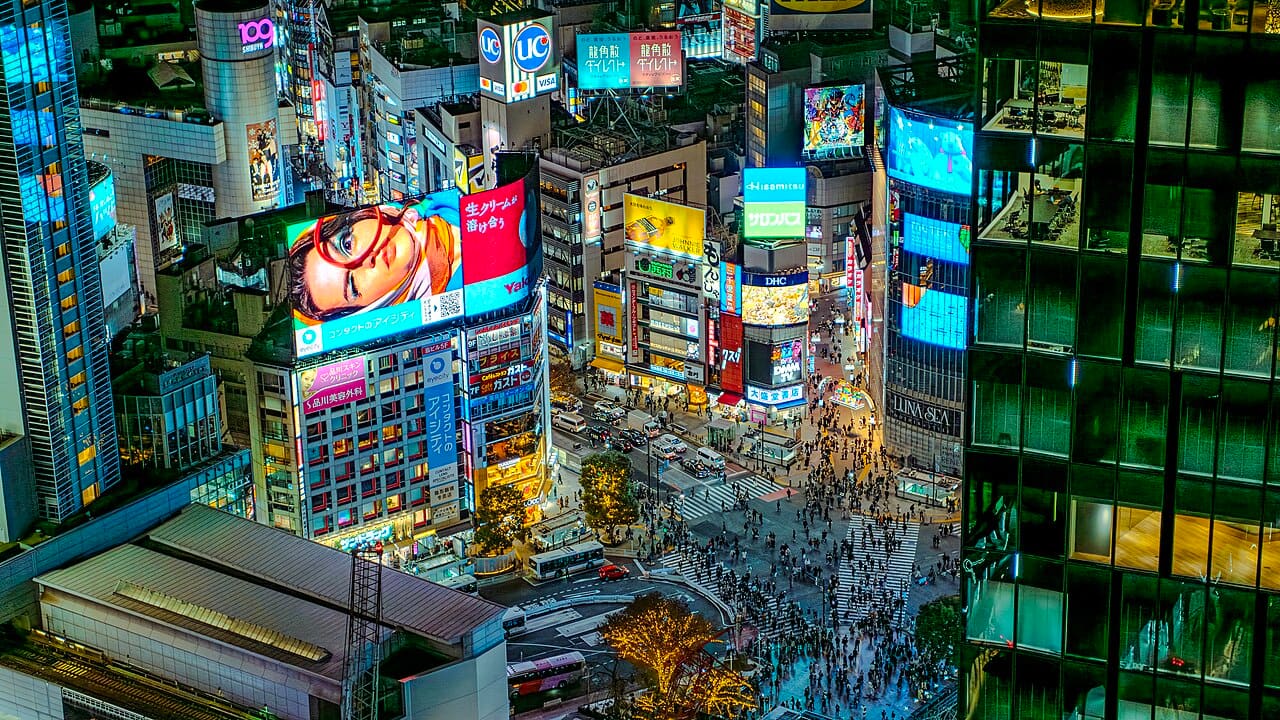
The most common mistake first-time visitors make is squeezing six cities into ten days. Japan's transport allows it — the Shinkansen really does run to the minute — but the trip ends up happening inside train stations. The Tokyo-Kyoto-Osaka triangle is both enough and the most efficient plan for a first visit.
The three cities are three characters of the same country: Tokyo is scale and density, Kyoto is tradition and rhythm, Osaka is street food and ease. The gaps between them run from 15 minutes to two and a half hours by Shinkansen.
Transport: should you buy the Japan Rail Pass?
| Connection | Duration | One-way fare |
|---|---|---|
| Tokyo → Kyoto | 2 hours 15 minutes | ~¥13,500 |
| Kyoto → Osaka | 15 minutes | ~¥1,500 |
| Osaka → Nara (day trip) | 45 minutes | ~¥600 |
| Kyoto → Hiroshima (optional) | 1 hour 40 minutes | ~¥11,500 |
| Airport → central Tokyo | 40-60 minutes | ¥1,200-3,000 |
After the last price rises, the Japan Rail Pass no longer pays off on every route. If you stay inside the Tokyo-Kyoto-Osaka triangle, buying individual tickets is usually cheaper. The pass starts to make sense once you add long legs such as Hiroshima or Kanazawa. Before deciding, add up the one-way fares for every leg you plan and compare.
The 10-day plan, day by day
Days 1-4: Tokyo
Day one is the jet lag day: walk around Shinjuku or Shibuya and go to bed early. Day two covers Asakusa (Senso-ji), Ueno and Akihabara. Day three is Meiji Jingu, Harajuku and Shibuya. Give day four to Nikko or Kamakura — both are an hour or so from Tokyo and feel like another country.
Days 5-7: Kyoto
Mornings decide your Kyoto. Arrive at Fushimi Inari at 7am and you walk the orange gates almost alone; by 10am the same place is a queue. The same rule applies to the Arashiyama bamboo grove. Walk through Gion in the evening, but do not chase photographs of geiko and maiko — some streets ban it and issue fines.
Days 8-10: Osaka and Nara
Plan Osaka as the food city: Dotonbori, Kuromon market and an evening izakaya crawl. Give one day to Nara, where Todai-ji and the free-roaming deer take half a day. Leave the last day for shopping and last-minute gifts — Kansai airport is close to the centre.
Which season to pick
- Late March to early April: cherry blossom. The most beautiful, most expensive and most crowded window; book accommodation four to five months out.
- May: warm, calmer, prices back to normal. The best balance for most travellers.
- June-August: hot and humid, with 35°C days in July and August. The festival season is its only advantage.
- October-November: autumn leaves. As good as blossom season and slightly less crowded.
- January-February: the cheapest window. Cold but clear in the cities, with skiing in the north.
Budget: what do ten days cost?
| Item | Budget | Mid-range |
|---|---|---|
| Accommodation | ¥6,000-9,000 | ¥15,000-25,000 |
| Food | ¥3,000-4,500 | ¥7,000-10,000 |
| City transport | ¥800-1,200 | ¥1,500-2,500 |
| Temples and museums | ¥500-1,000 | ¥1,500-2,500 |
Japan is not as expensive as its reputation. A convenience store breakfast is about ¥500 and a bowl of ramen about ¥1,000, both at a quality that would cost far more elsewhere. What really inflates the budget is intercity rail — keeping the route short keeps the budget short.
Keep reading
Frequently asked questions
How many days do you need in Japan?
Ten days is ideal for a first trip: four in Tokyo, three in Kyoto, three for Osaka and Nara. With only seven days, drop Osaka and focus on Tokyo and Kyoto.
Is the Japan Rail Pass worth it?
Usually not if you stay inside the Tokyo-Kyoto-Osaka triangle — individual tickets come out cheaper. Add long legs such as Hiroshima or Kanazawa and the pass starts to pay. Add up your planned fares and compare.
When is the best time to visit Japan?
May and October-November are the most balanced. Cherry blossom means late March to early April, but prices and crowds peak. July and August are hot and humid.
Is English enough in Japan?
In big cities and at train stations, yes — signage is bilingual. Small restaurants may only have Japanese menus, but photo menus and a translation app solve it.