
Flight tips
Jet lag and sleep on long flights: saving your arrival day
Flying east shortens your day, flying west lengthens it. The body clock does not recover at the same speed in both directions.
Prepared by the FlyVentis editorial team and regularly reviewed for travel and event accuracy.
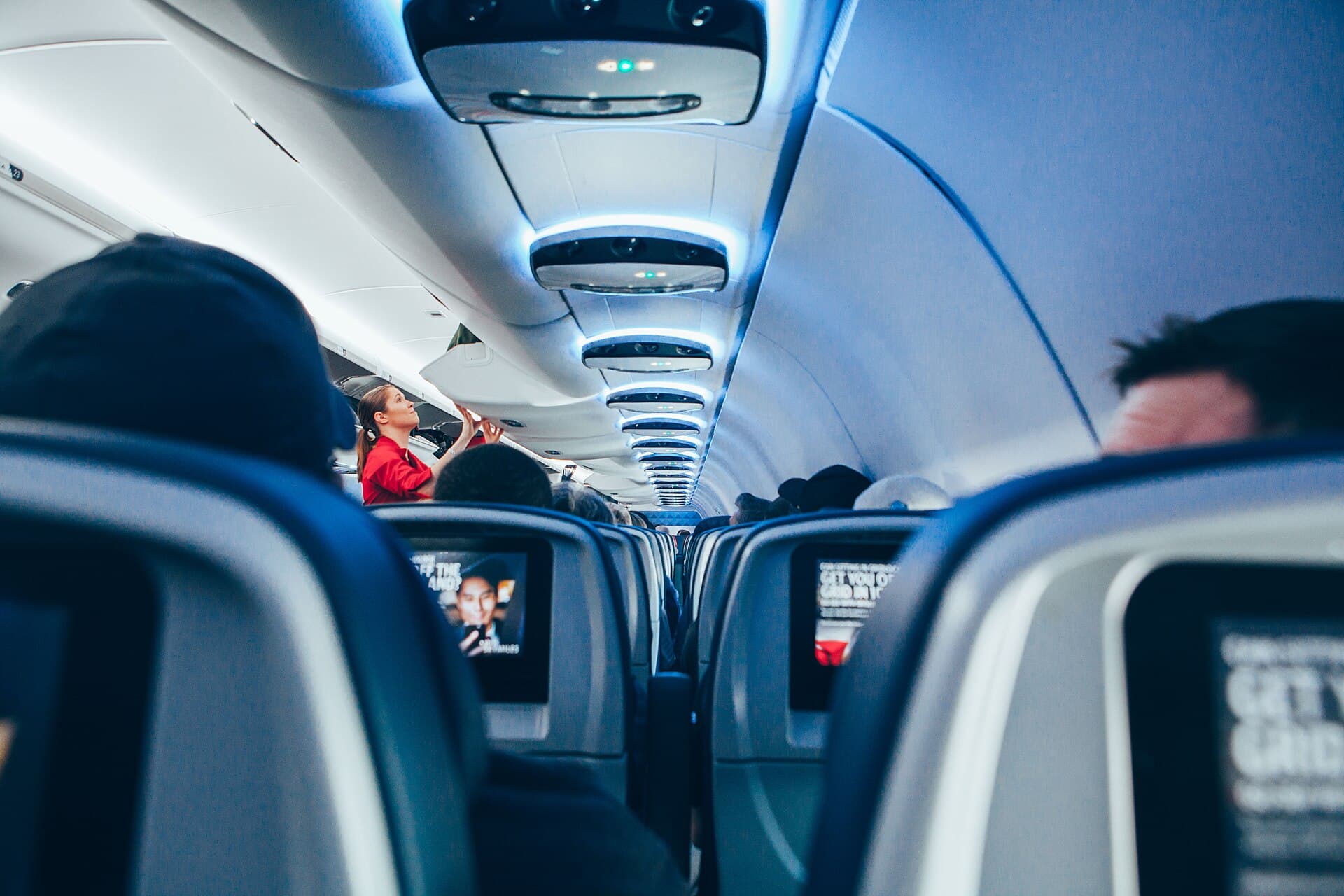
Jet lag is the mismatch between your internal clock and the clock of the city you land in. It is not the same as travel fatigue: fatigue clears after one night's sleep, a time-zone mismatch does not. Its severity depends not on flight length but on how many zones you crossed and in which direction.
In practice that means a ten-hour north–south flight can leave you almost untouched, while a six-hour eastward hop can cost you two days. If you are flying to reach a concert, a match or a meeting, the plan has to be built around that.
East and west are not the same thing
Flying west stretches your day and you need to delay your body clock. Because the human rhythm naturally runs slightly longer than 24 hours, this direction is usually easier to manage: you go to bed a little later, and that is largely it.
Flying east shortens your day and you have to advance the clock. That is the hard direction; you cannot force your body to fall asleep earlier than usual. As a rough measure, allow about one day of recovery per time zone crossed, though this varies from person to person.
| Direction | What happens | Practical approach |
|---|---|---|
| West (e.g. Europe → US) | Day lengthens, clock shifts back | Stay awake until evening on arrival |
| East (e.g. US → Europe) | Day shortens, clock shifts forward | Try to sleep in flight, get morning light |
| North–south | No time-zone change | No jet lag expected, only travel fatigue |
| 1–2 hours' difference | Limited effect | No separate adjustment plan needed |
When should you sleep on the plane?
One rule covers most of it: set your watch to the destination as soon as you board and plan sleep by that clock. If it will be night when you land, try to sleep in flight; if it will be daytime, a long in-flight sleep makes the arrival day harder.
Seat choice matters here. If you plan to sleep, a window gives you something to lean on and keeps people in the aisle from waking you; if you plan to stay awake and move, an aisle seat is better. The detail is in the seat selection guide.
- Set your watch to the destination on boarding and decide by that clock.
- If you land in daylight, keep in-flight sleep short.
- Time coffee by destination hours; coffee close to bedtime delays sleep.
- Alcohol does not deepen sleep and works against circulation and hydration.
Building the arrival day around an event
If you are flying for a concert, a match or a festival the arithmetic is simple: with more than four hours' difference, be in the city a full day ahead; with more than eight, leave two days. A flight landing on the morning of the event turns one delay into a wasted trip — the whole logic is in the going abroad for a concert guide and the event-led travel planning guide.
An evening event is more forgiving than a morning one: if you flew west to east, evening hours fall where your body clock is still awake. Where you can choose, leave the first evening after arrival free and give the second evening to the main event.
Connections, red-eyes and long layovers
Overnight long-haul looks ideal on paper: sleep on the plane, land in the morning. In practice cabin sleep is broken, and you arrive more tired than you expected. Do not build a heavy programme for the arrival day.
On a long layover, leaving the airport to walk can help you stay awake, but it needs a visa and time calculation; the decision framework is in the leaving the airport on a long layover guide. A tight connection stacks stress on top of jet lag, so apply the minimum-time logic from the connecting flights guide.
A realistic plan for the arrival day
Rather than writing the arrival day off, filling it lightly speeds recovery: a walkable neighbourhood, lunch outdoors, an early dinner. Leave anything ticketed, timed and long to the second day.
On a short city break the balance matters even more; how to build a two-day programme is in the 48 hours in a city guide.
- Do not book timed, ticketed activities for the arrival day.
- Keep any afternoon nap under two hours.
- Spend time outdoors in daylight.
- Do not force an unusually early night; go to bed close to local time.
Keep planning
Frequently asked questions
How long does jet lag last?
As a rough measure, allow about one day of recovery per time zone crossed, though it varies by person and direction. Recovery generally takes longer on eastward flights.
Why is flying east harder?
Flying east shortens the day and you have to advance your body clock. Because the human rhythm naturally runs slightly longer than 24 hours, delaying the clock (flying west) is easier than advancing it.
Should I sleep on the plane?
Yes if it will be night when you land; if it will be daytime, a long sleep makes the arrival day harder. Set your watch to the destination on boarding and plan sleep by that clock.
How many days before a concert should I arrive?
With more than four hours' time difference, plan to arrive a full day ahead; with more than eight hours, two days. On a flight landing the morning of the event, a single delay can waste the whole trip.